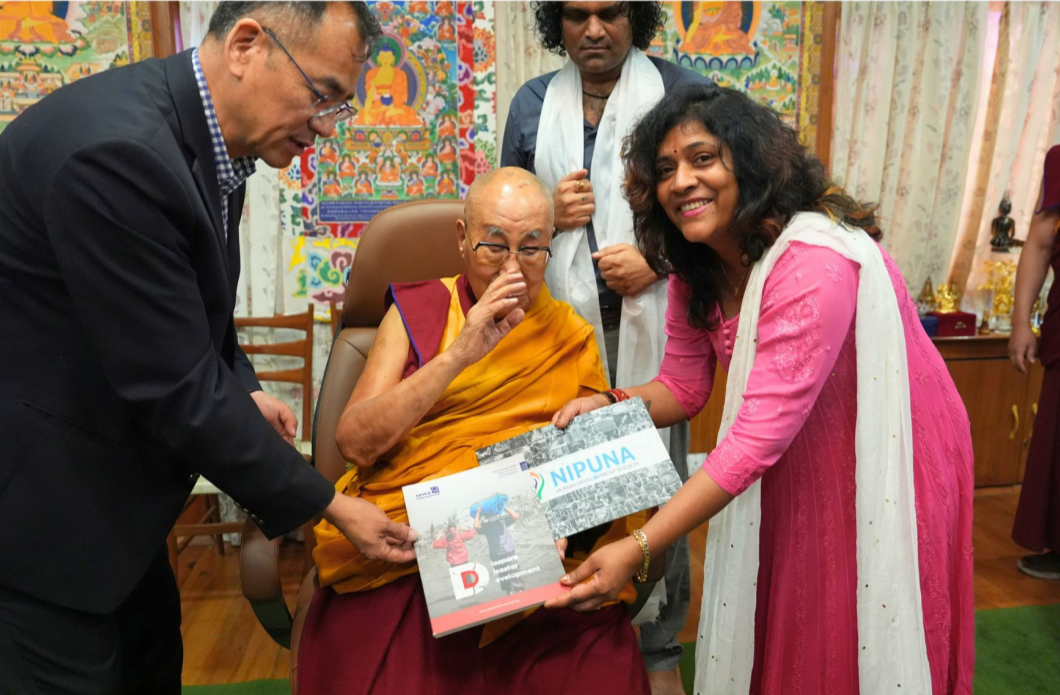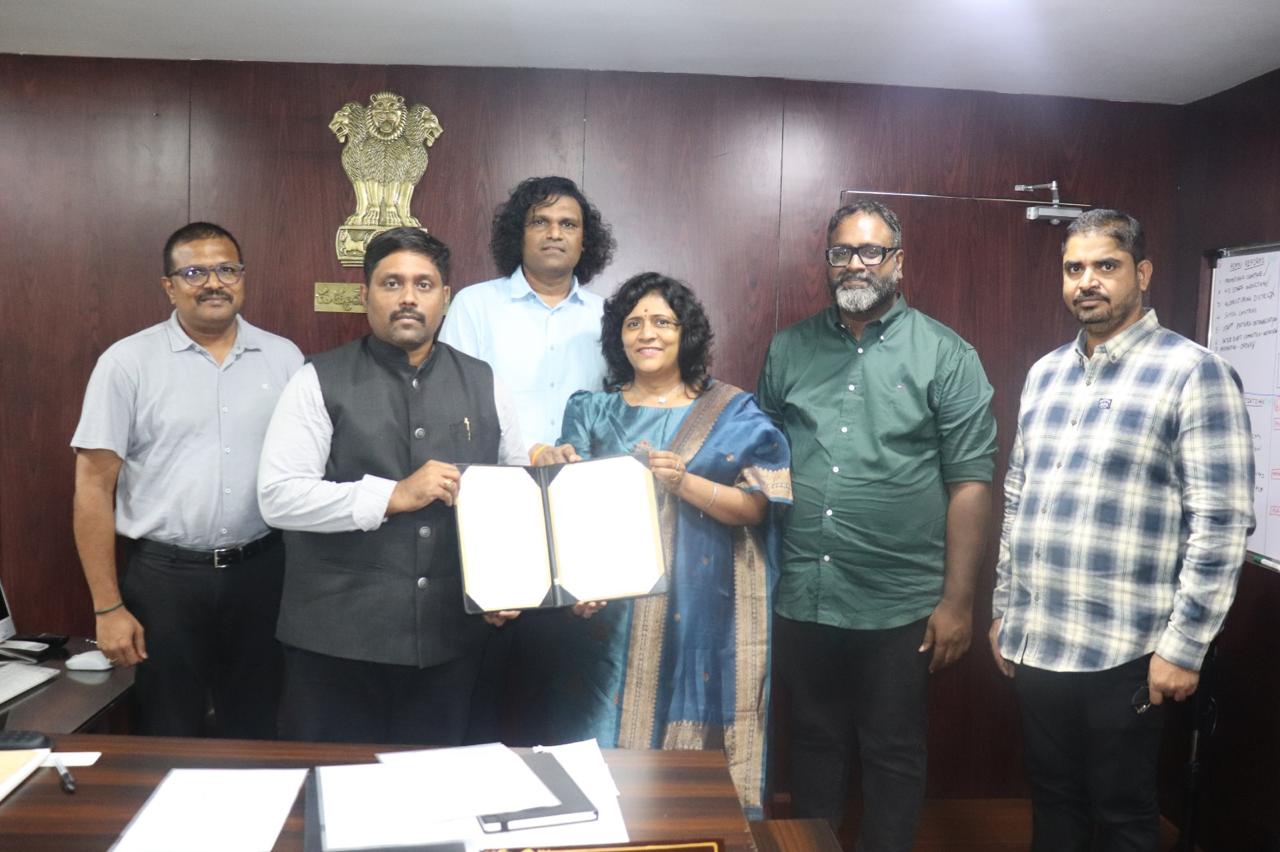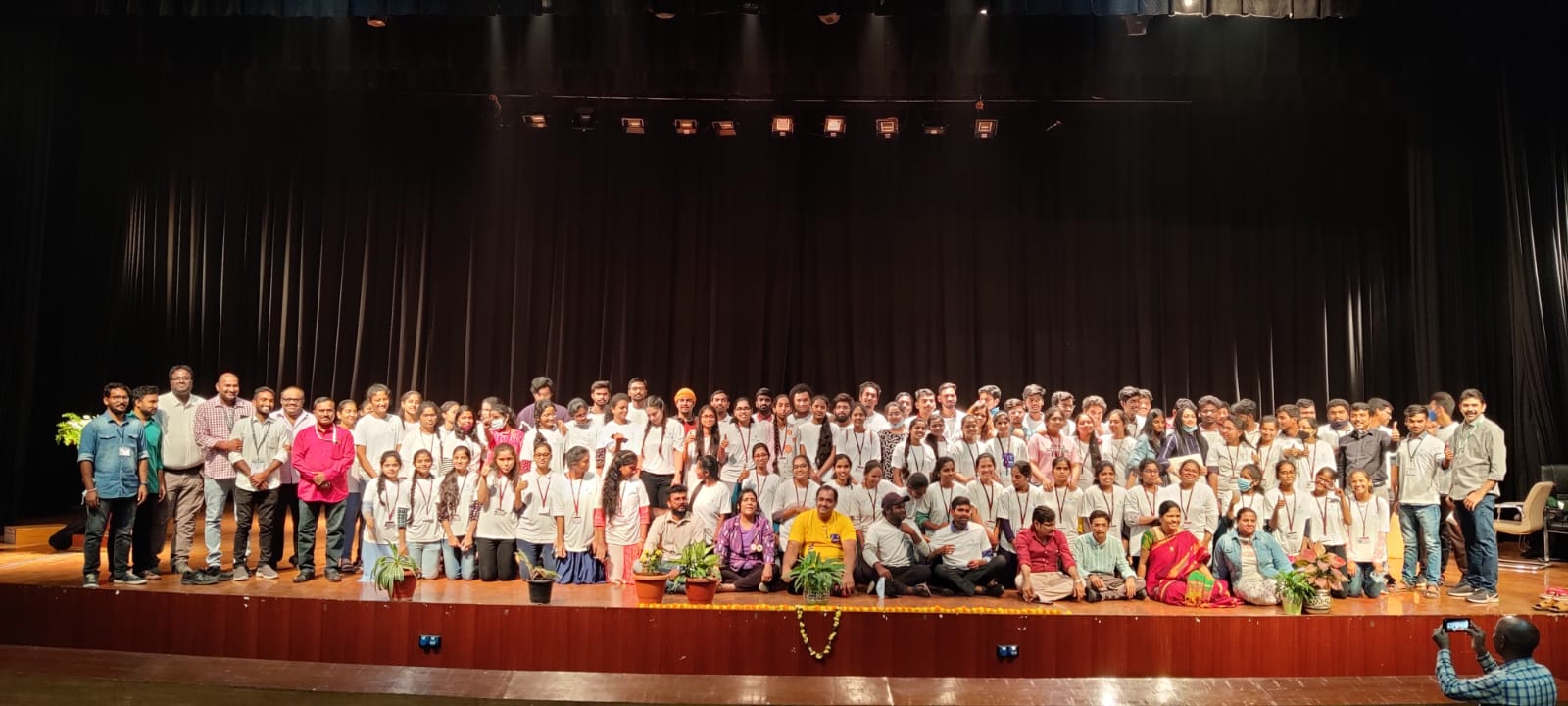
Nipuna Human Development Society (NHDS) is a non-profit organisation formed on 25th March 2020 with a mission to empower youth and communities across India.
The youth of our country are the backbone of our nation. Nipuna works to combat unemployment by creating job opportunities, skill development programmes, and livelihood support across multiple states.
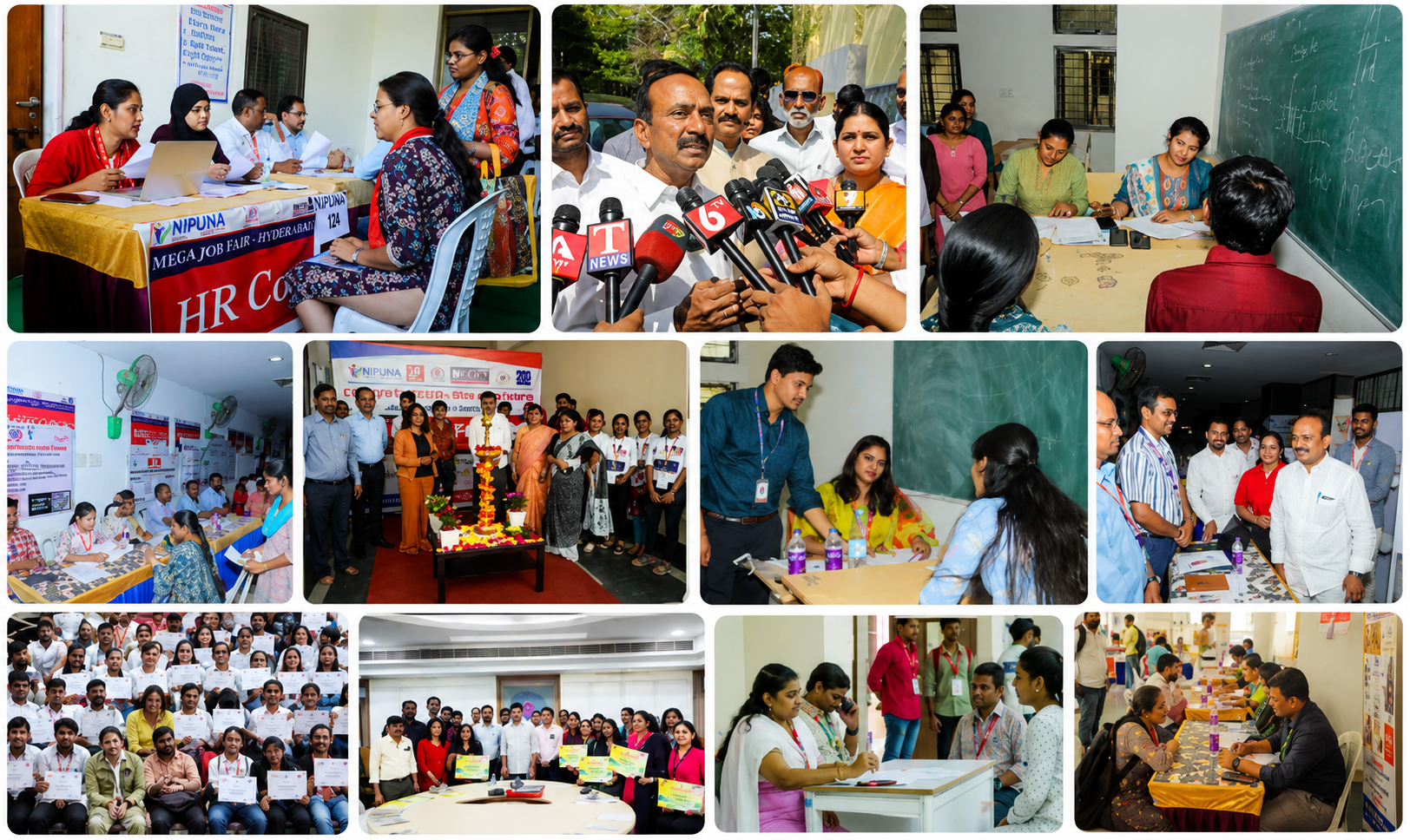
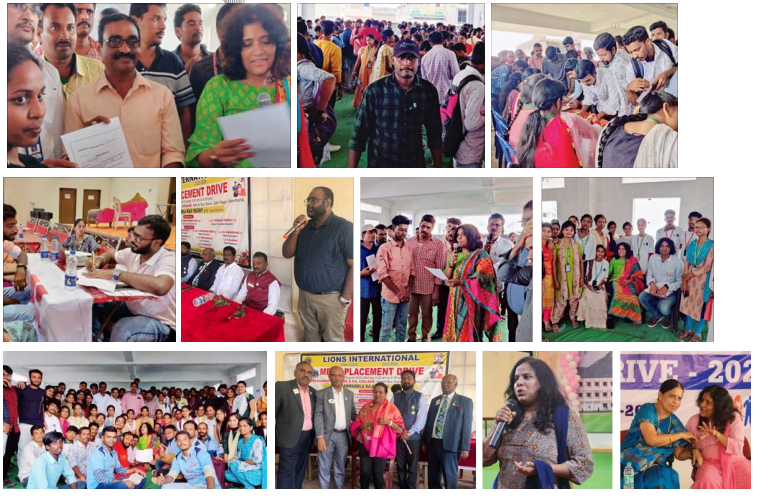
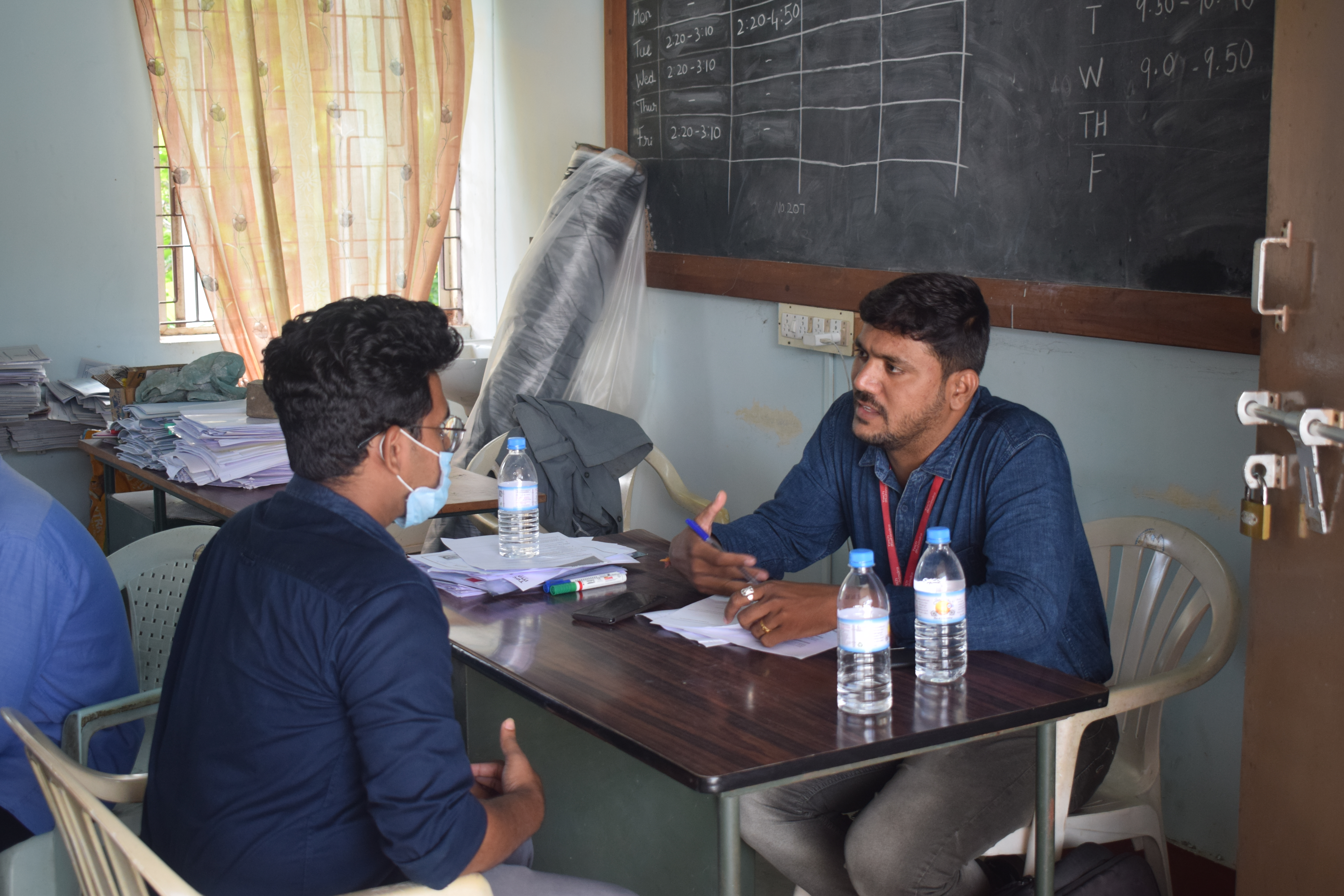
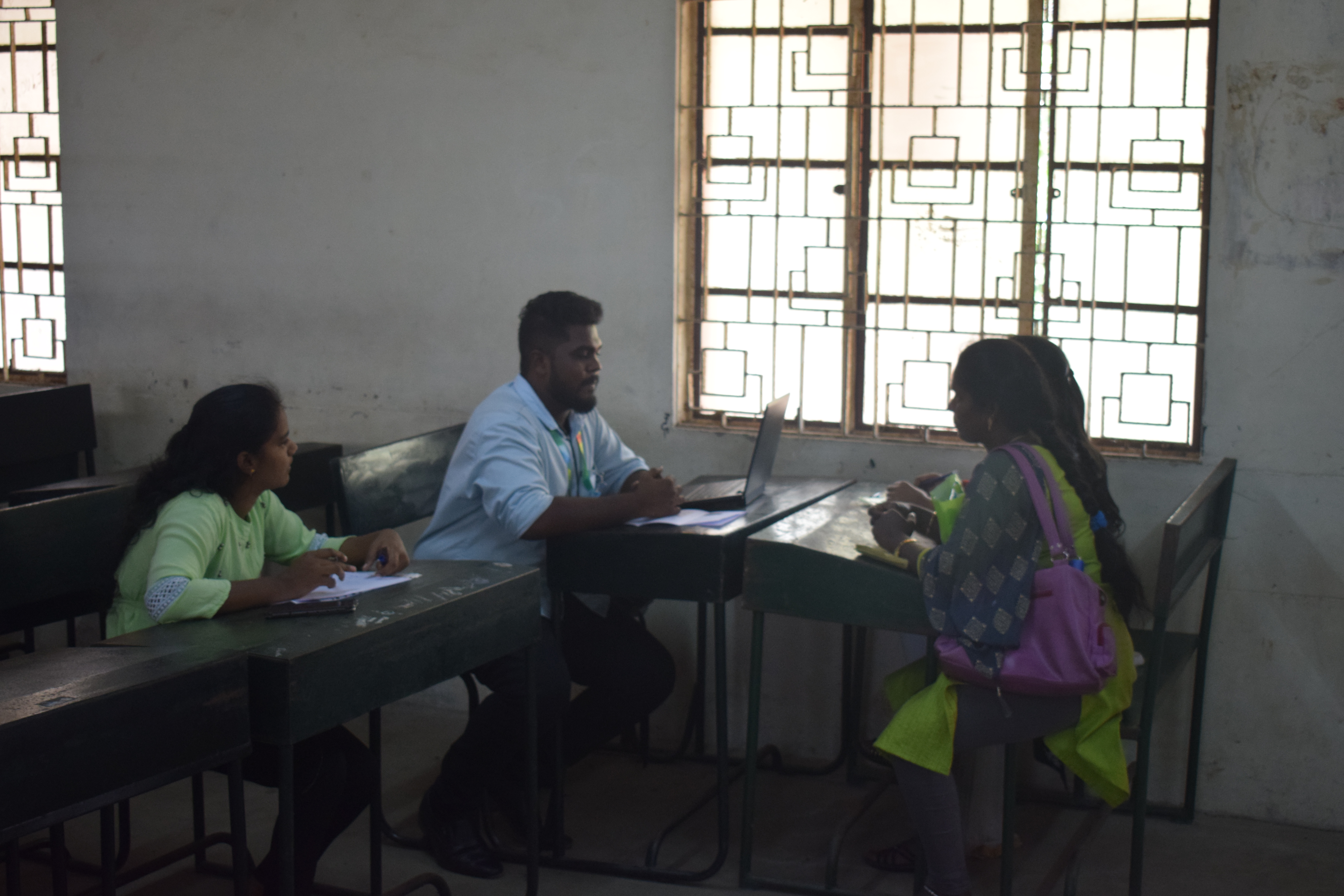
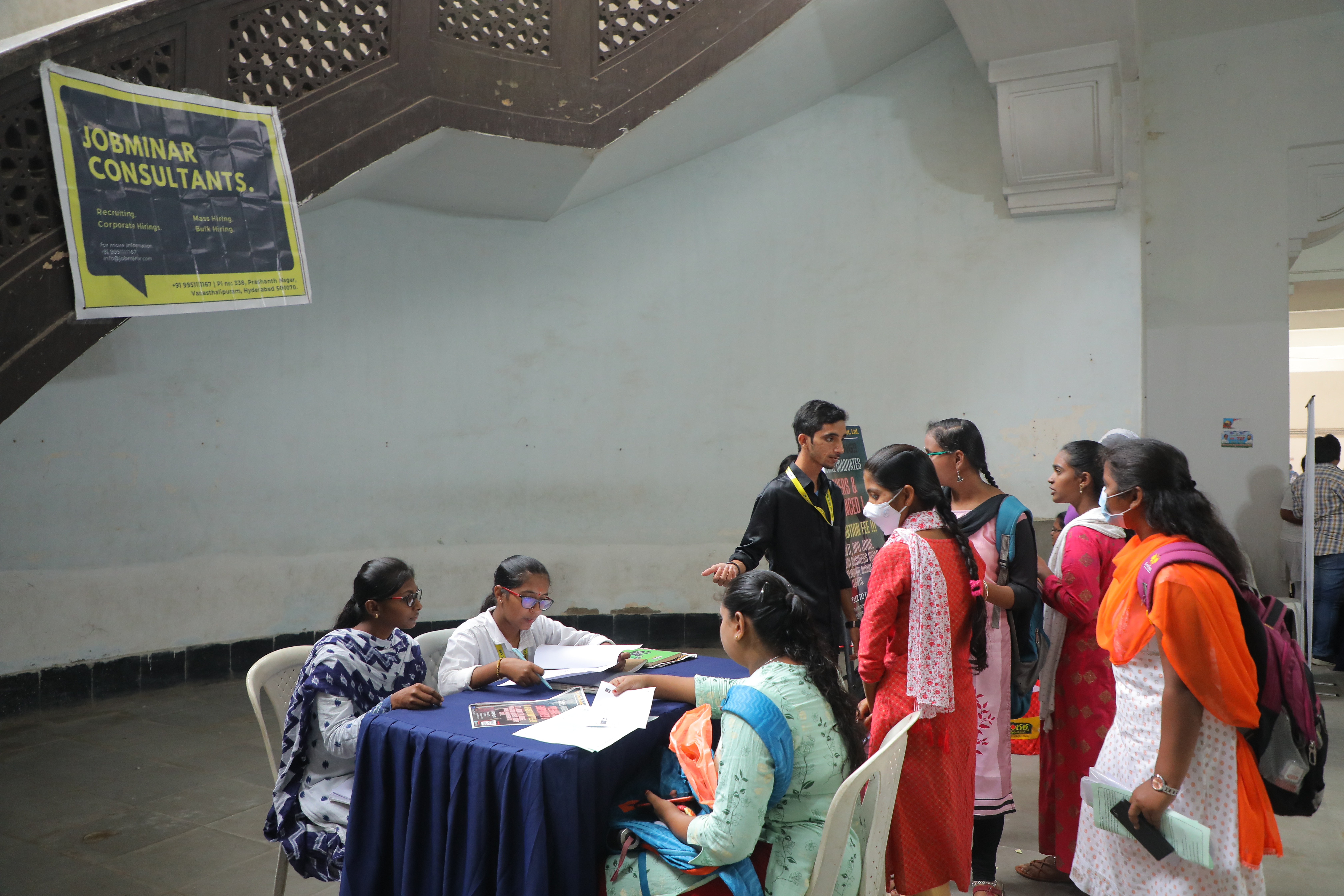
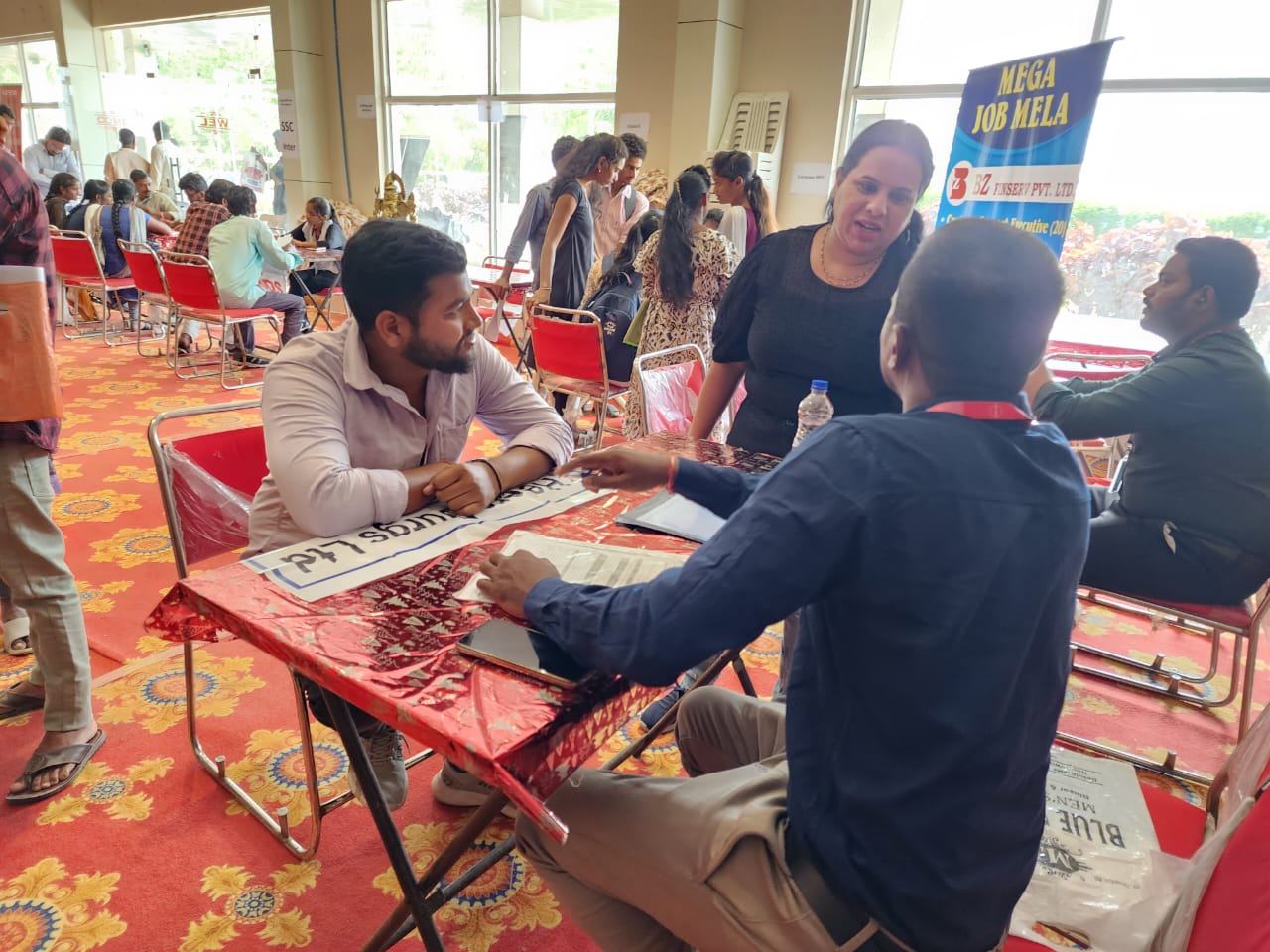
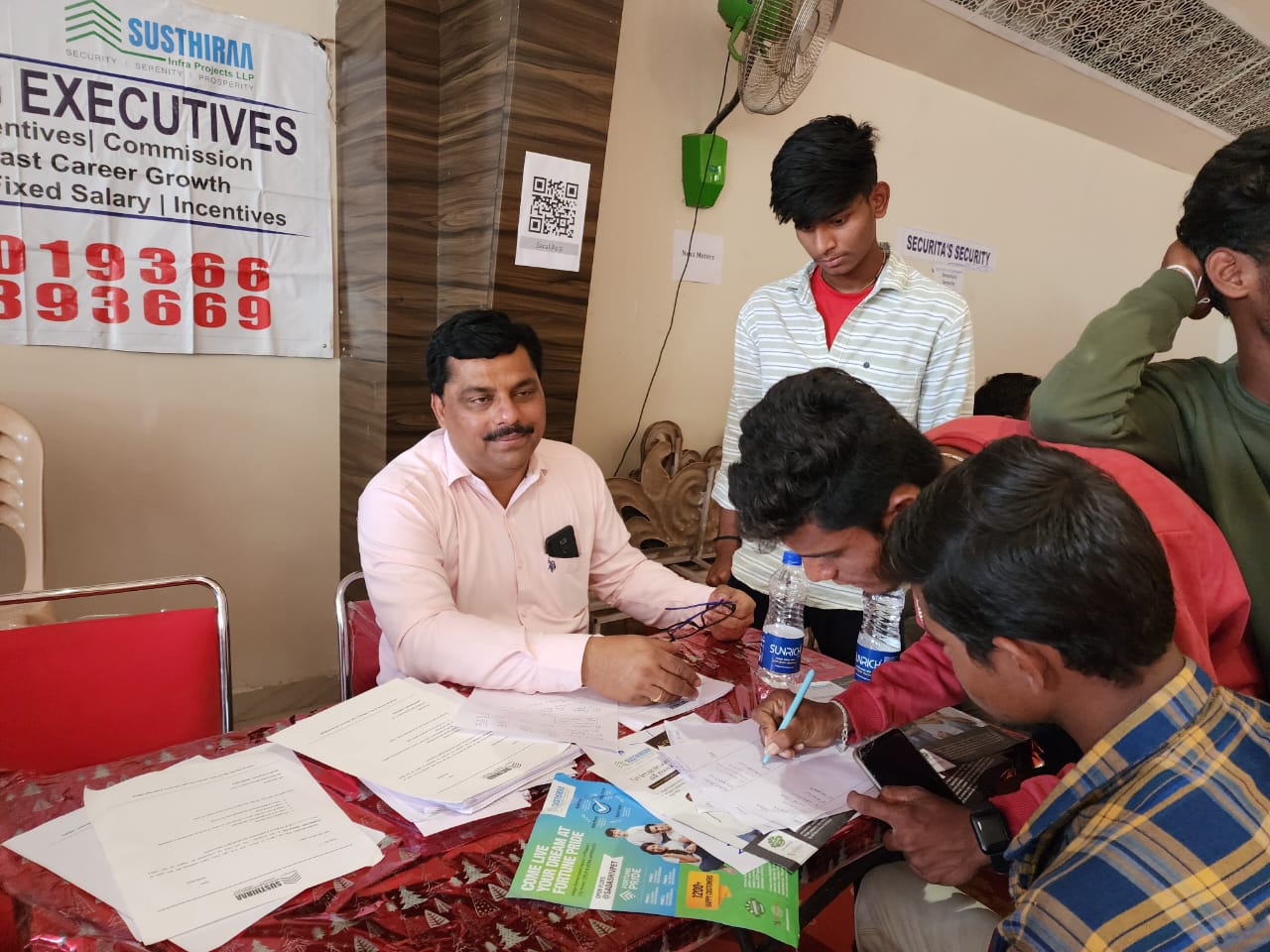
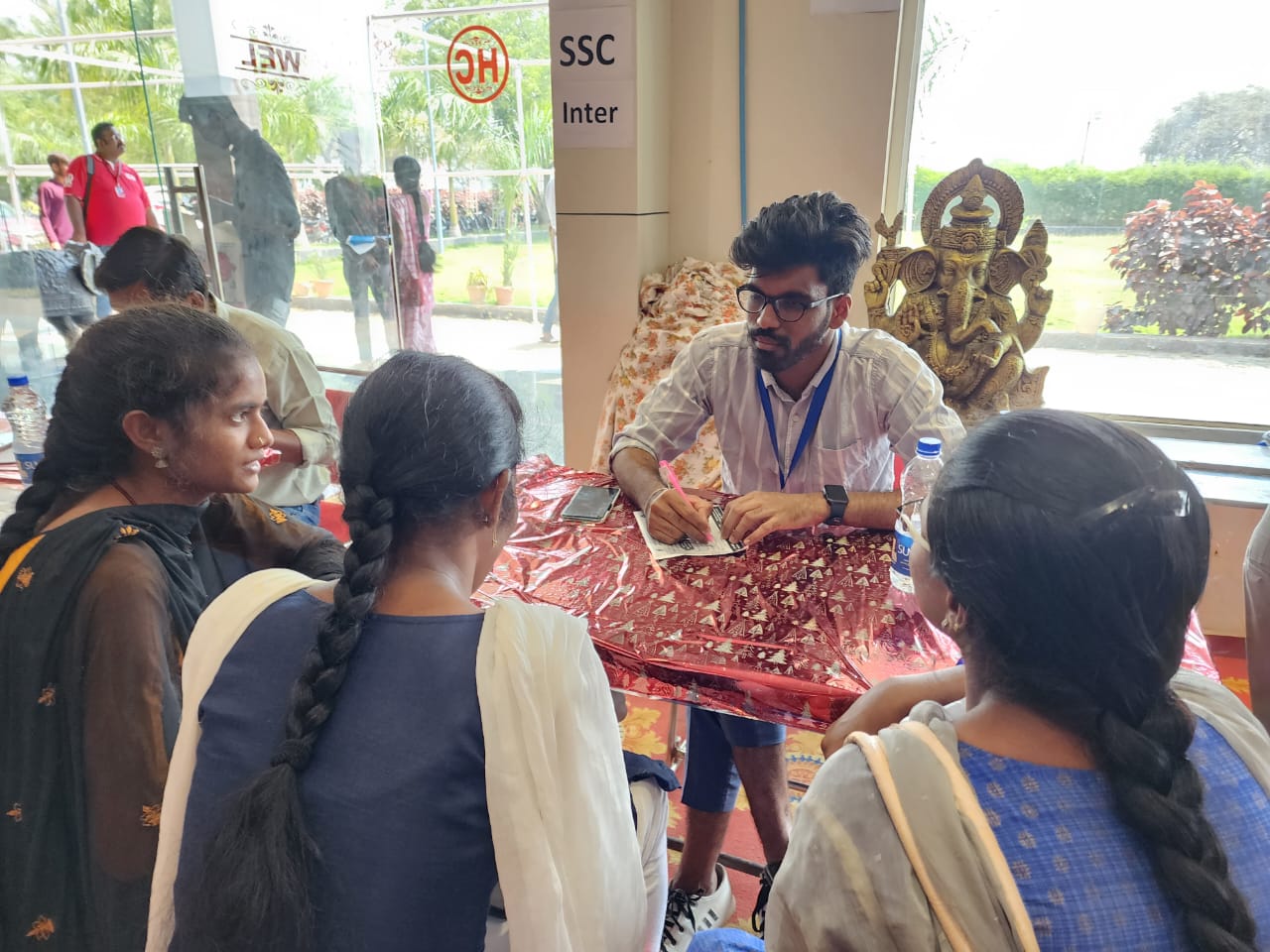
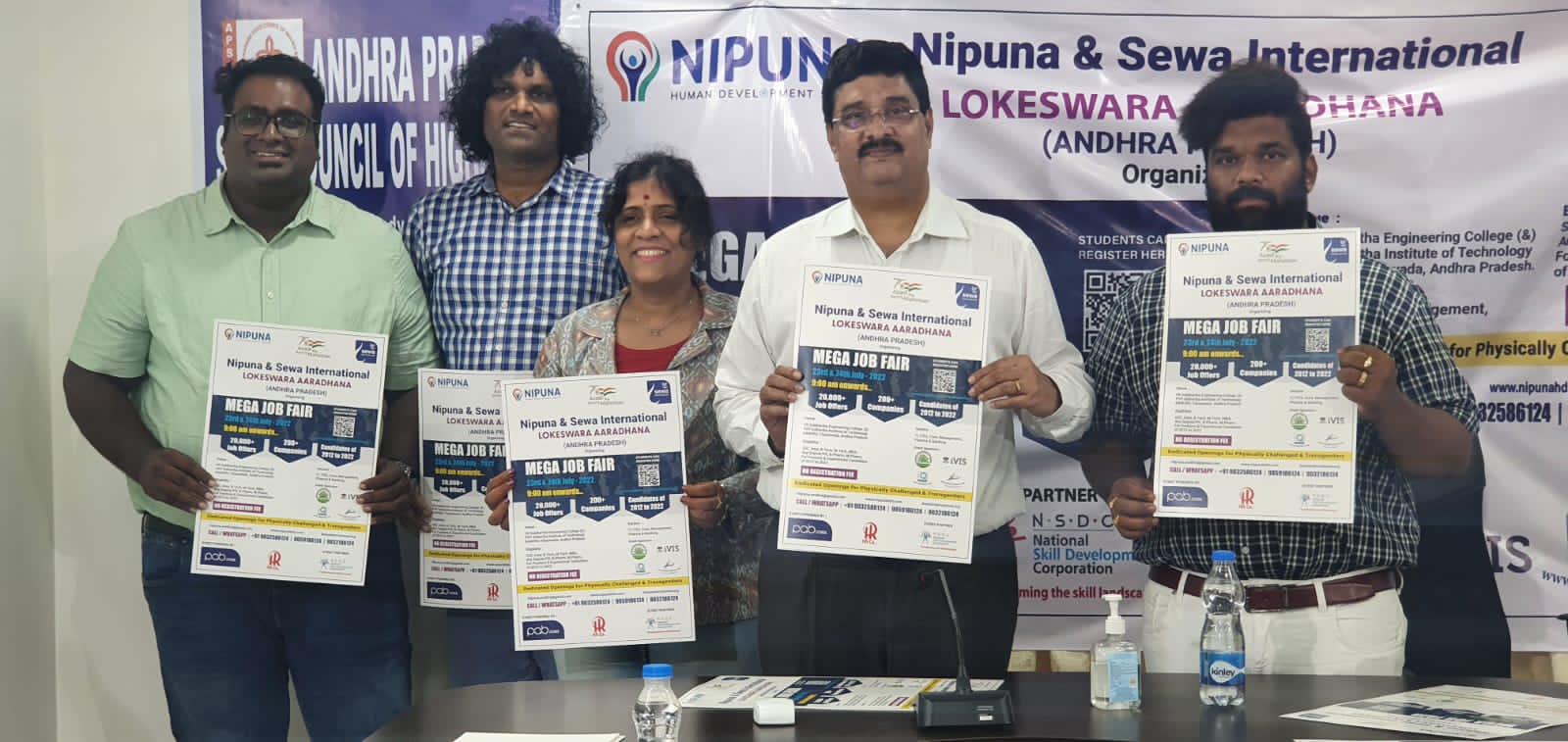
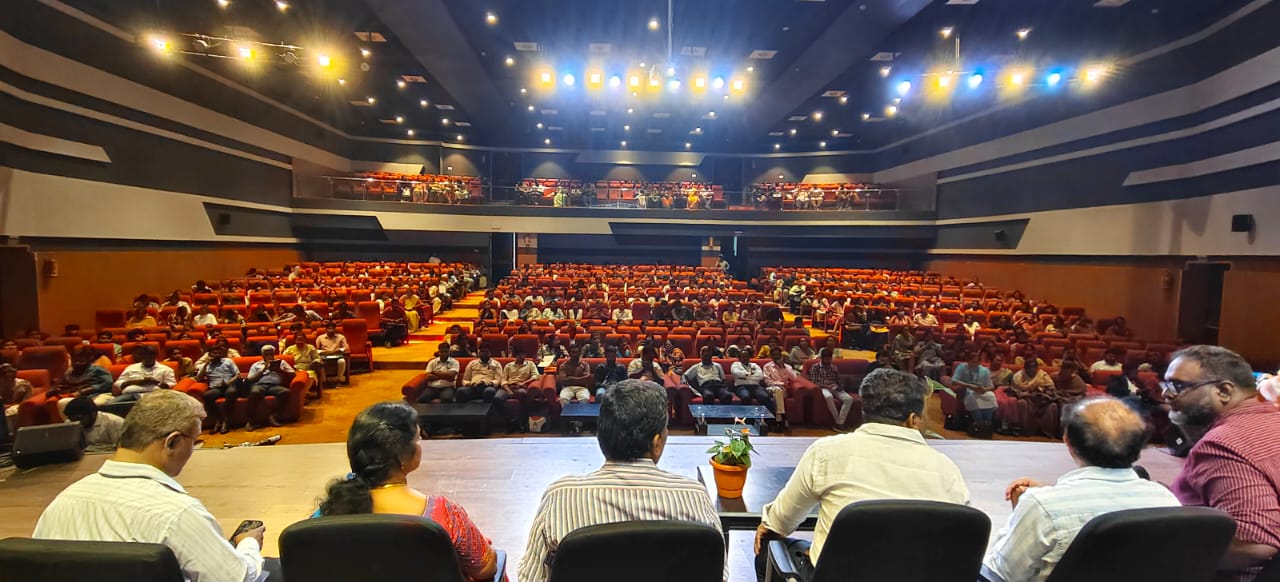
Our job fairs connect youth with companies from IT, ITES, core, management, pharma, banking, and other sectors — making a real difference in lives every single day.
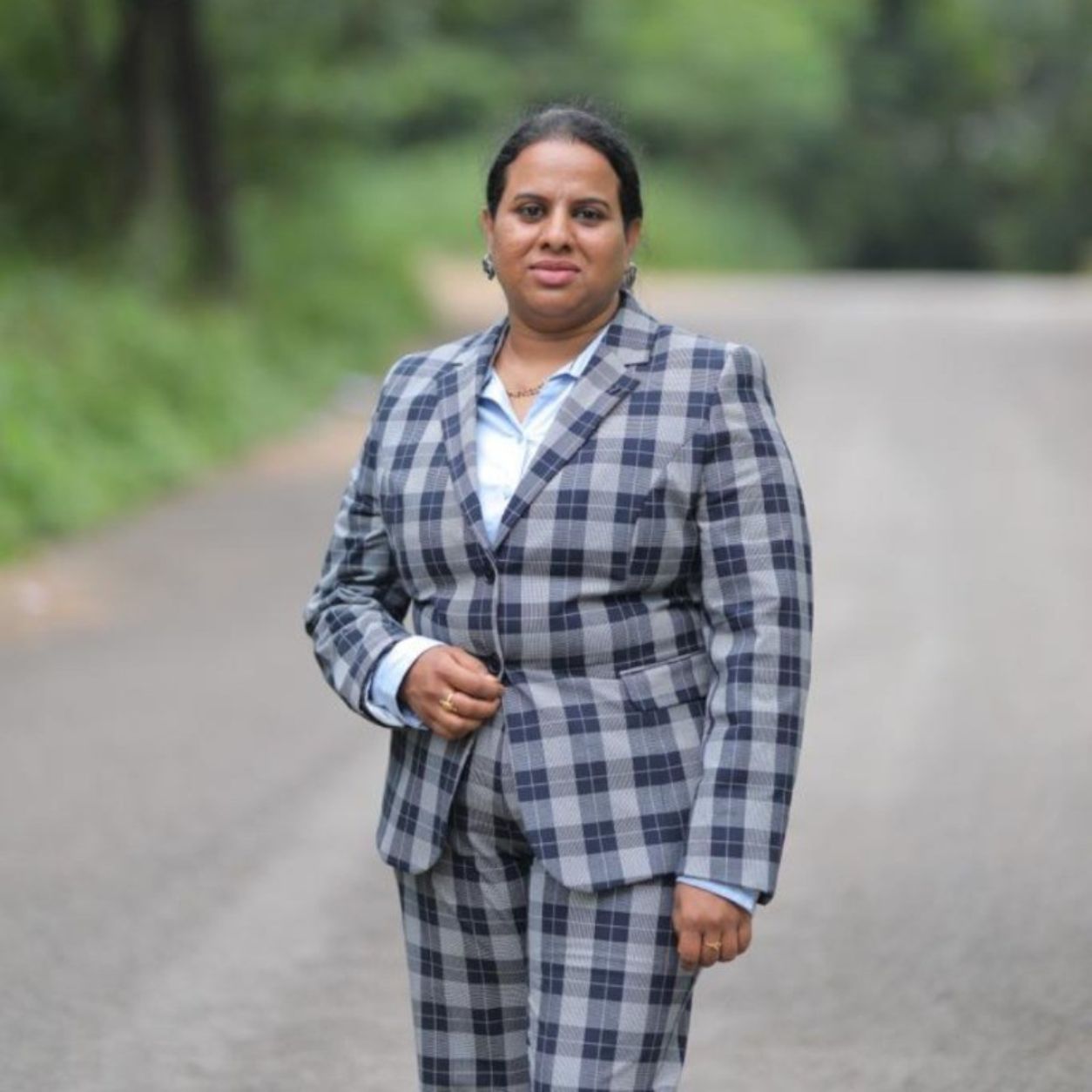
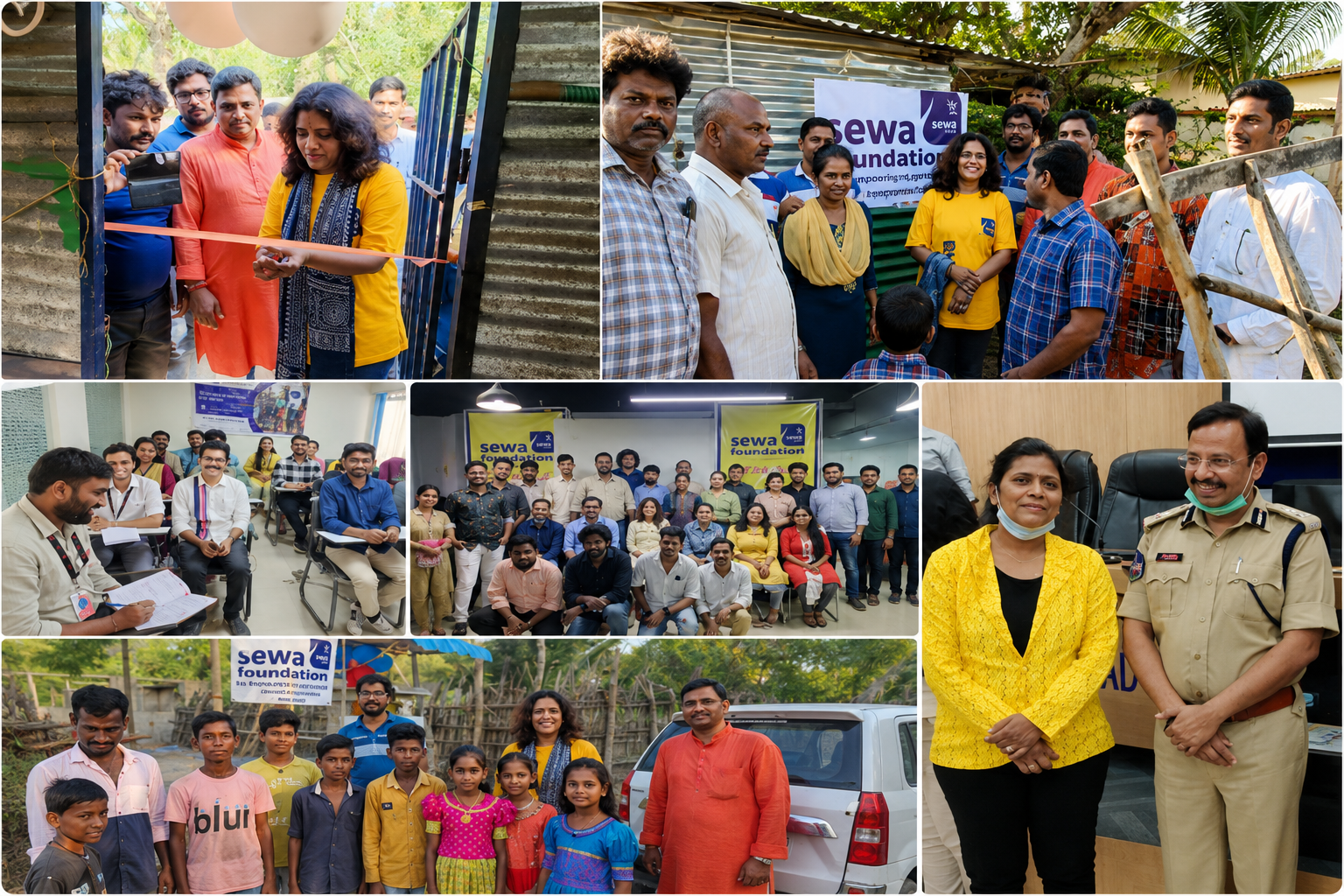
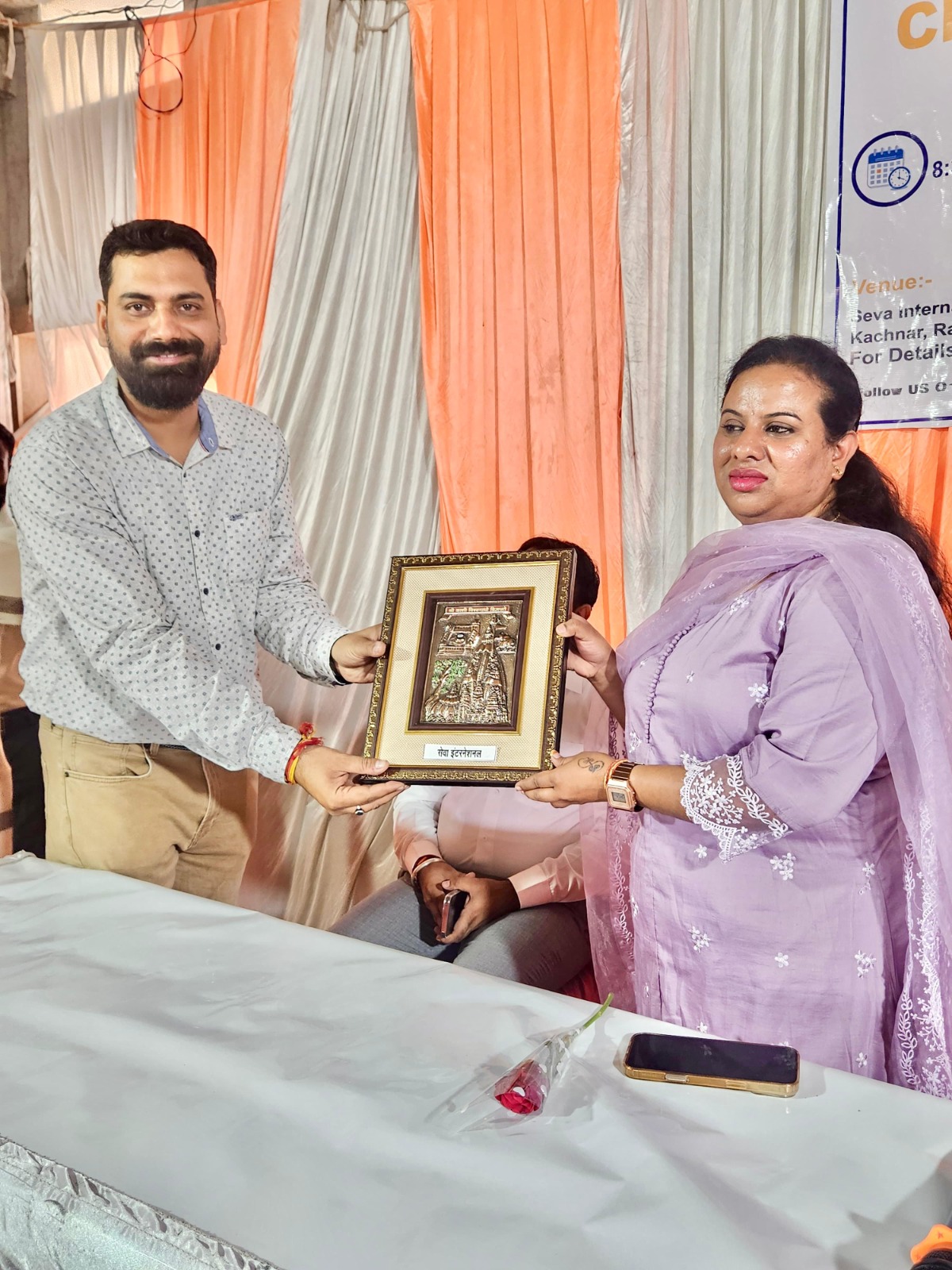
Ms. Subhadra Rani is the founder of Nipuna HDS and serves as Head of Partnerships at Sewa International, New Delhi. She began her journey during the Covid-19 pandemic and has since scaled her impact across India.
Starting with relief efforts in Hyderabad, she built an organisation that now conducts employment drives, skill programmes, and disaster response across multiple states.
"The stronger the youth, the stronger will be the nation. We don't just serve communities — we grow with them."
— Ms. Subhadra Rani, Founder, Nipuna HDSNumbers that reflect years of dedication, community trust, and measurable change on the ground.
Lives Directly Reached
Programs Conducted
Villages Supported
National Awards Won
A growing portfolio of employment drives, disaster relief, and skill development programmes across India.

Large-scale job fairs at JNTU Hyderabad connecting lakhs of job seekers with top companies.

A landmark event with 55,000+ job seekers and 15,000+ placements across multiple sectors.

Employment drives across Eluru, Vijayawada, Bapatla, Rajamahendravaram, East Godavari, Guntur and Kakinada.

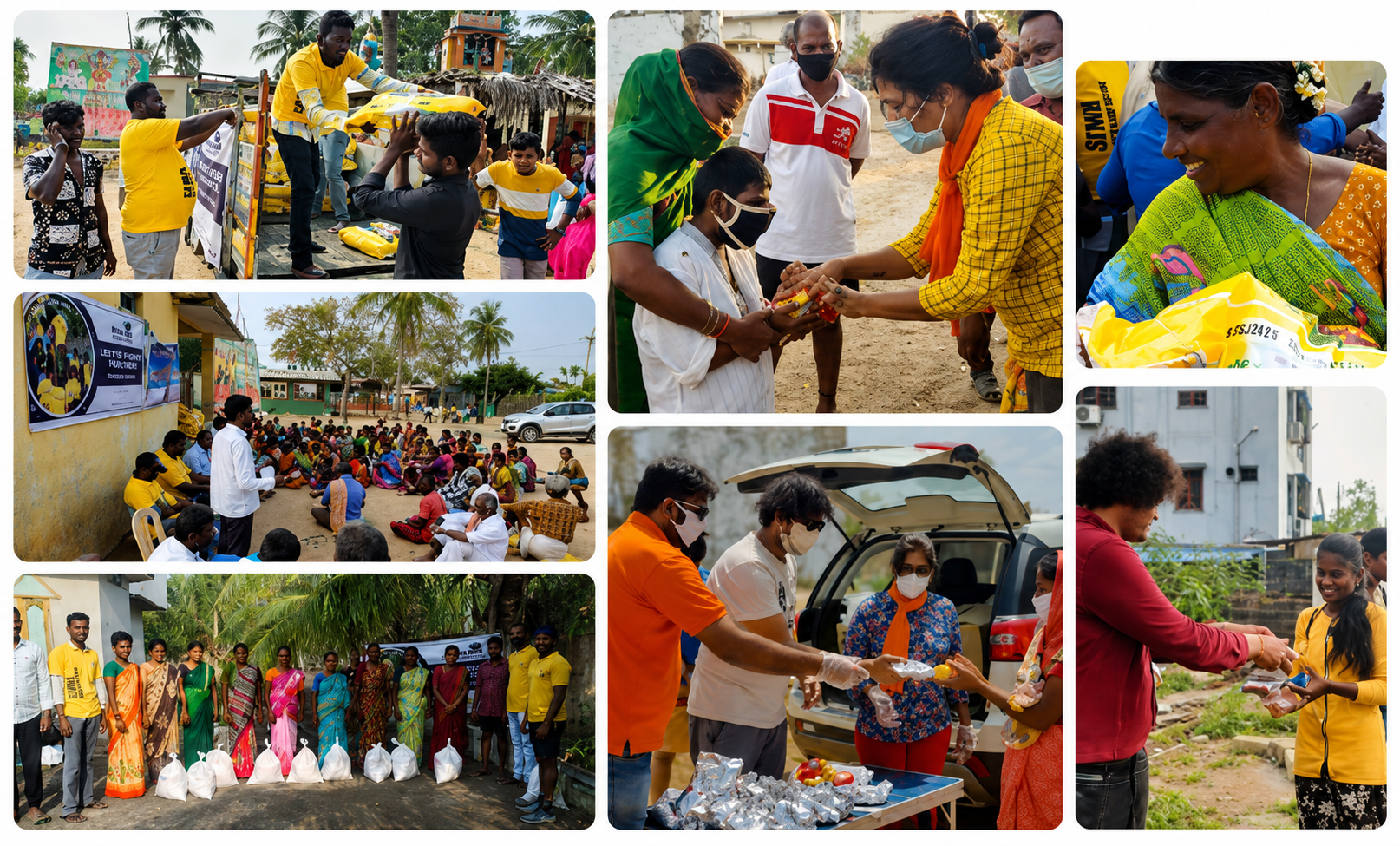
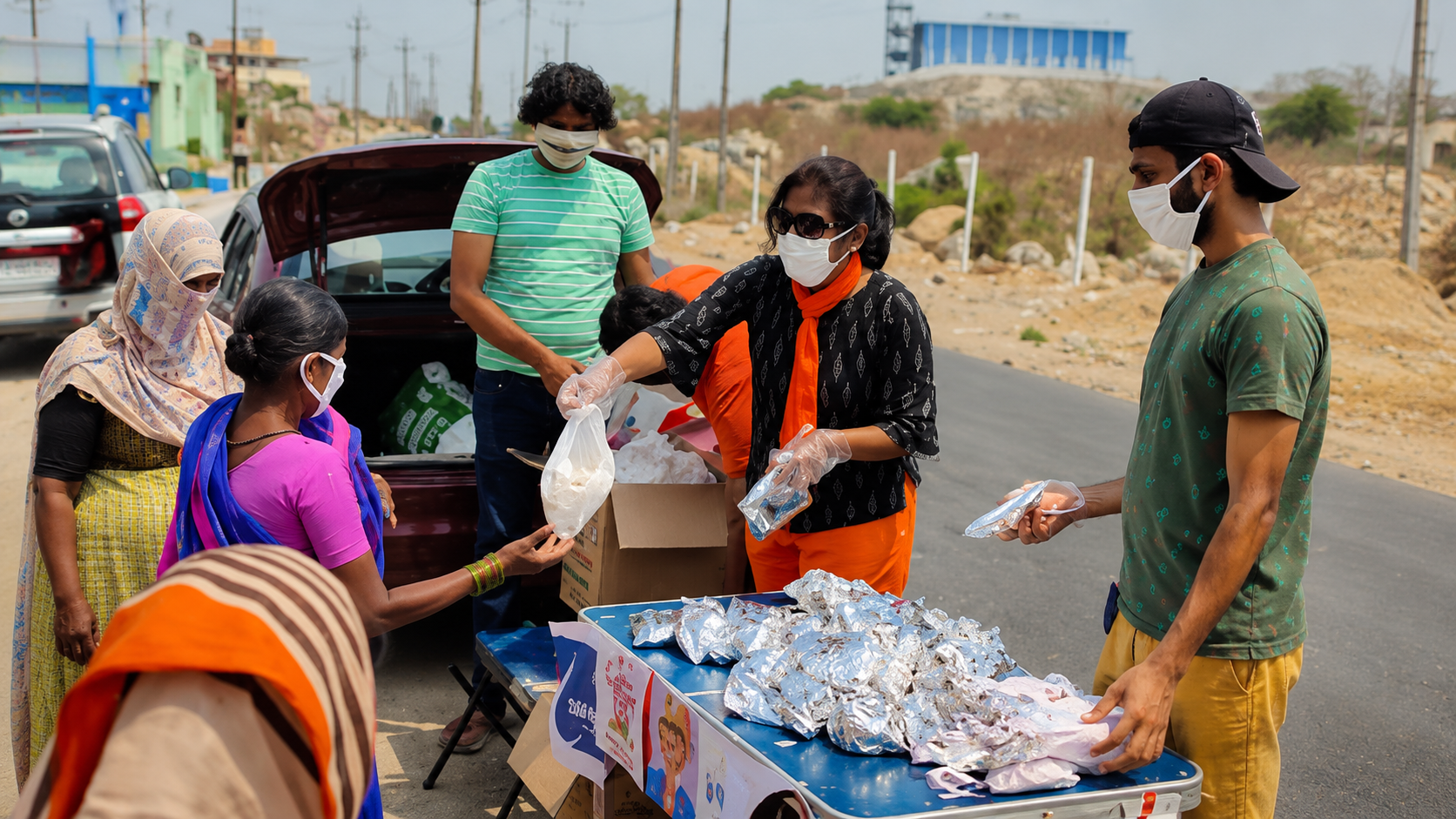
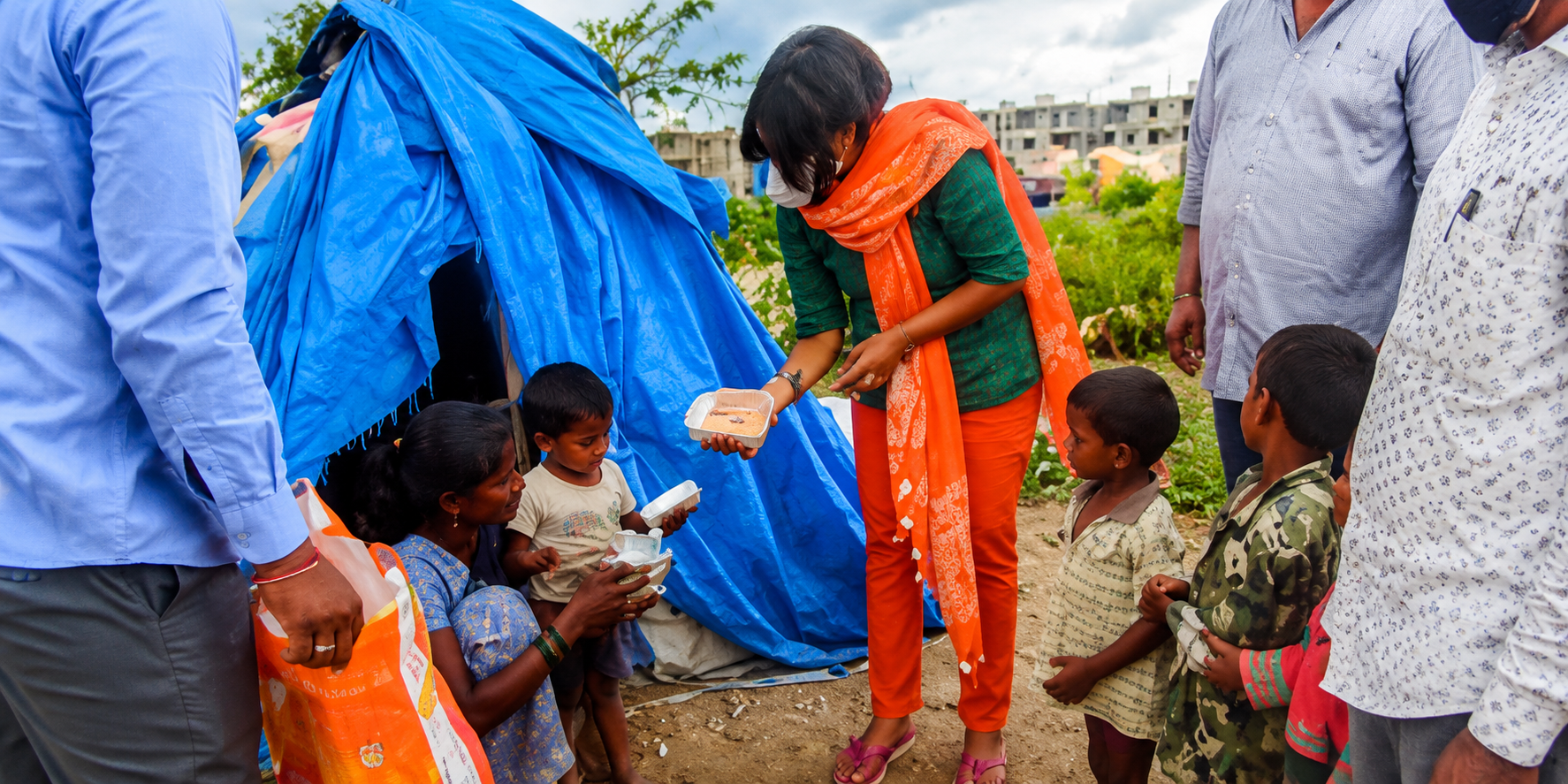
Feeding families, providing essentials, and ensuring no one was left behind during India's toughest hours.

Nipuna's 200th job fair combining employment generation with local entrepreneurship and Aatmanirbhar Bharat spirit.

Connecting urban poor youth, SHG families and trained candidates with companies through structured job fairs and placement support.
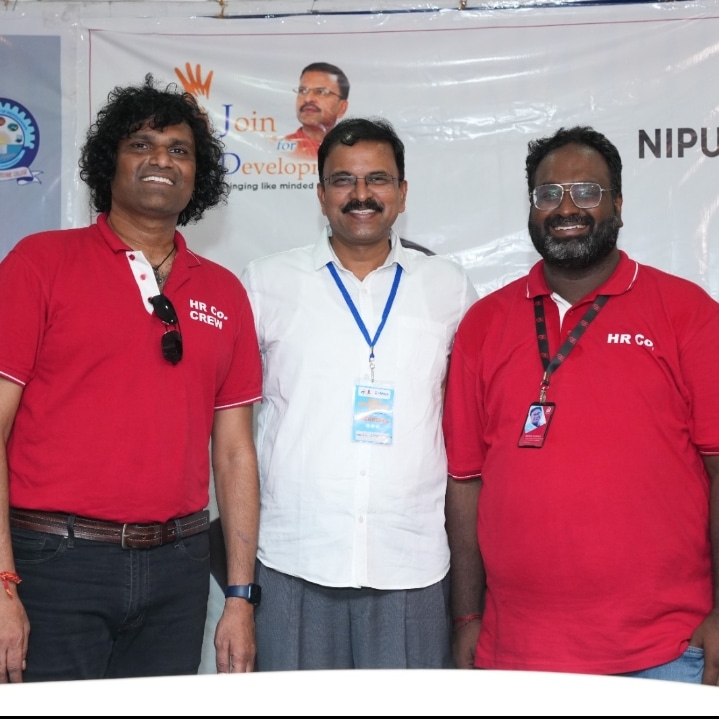
Founder, HR Co.
Co-Founder
Co-Founder
At HR Co., we understand that a company's success is built on the strength of its workforce. As a premier manpower recruitment company, we take pride in connecting businesses with the right talent to drive growth, innovation and success.
Our team of experienced recruiters possesses deep industry knowledge, ensuring we comprehend the unique requirements of each client — from small start-ups to multinational corporations.
The motto of HR Co. is to enhance customer satisfaction and build long-term relationships, constantly improving deliverables that match the ever-growing expectations of our esteemed clientele.
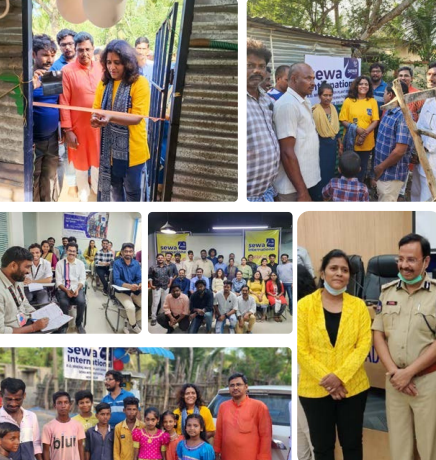
Nipuna HDS delivers grassroots impact through employment, relief, livelihood, and community welfare programmes across India.
Large-scale job fairs connecting lakhs of candidates with leading employers across IT, healthcare, retail and manufacturing.
Emergency food distribution, grocery kits, oxygen support and community welfare during crises and natural disasters.
Corporate-supported initiatives including clean water access, youth skill training, and placement support for underserved communities.
Women clusters, men self-employment units, processing centers and mobile outreach for district-level economic growth.
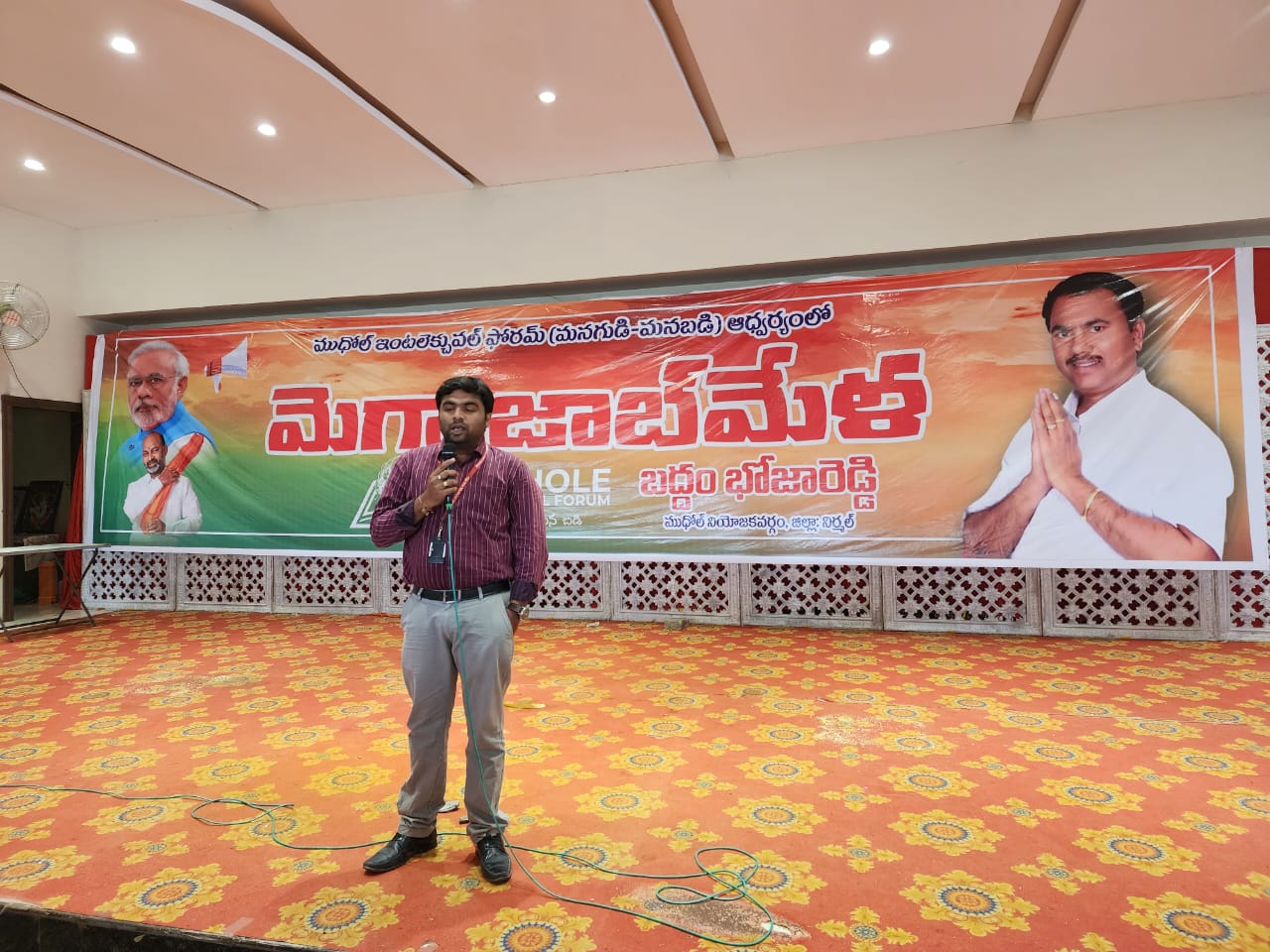
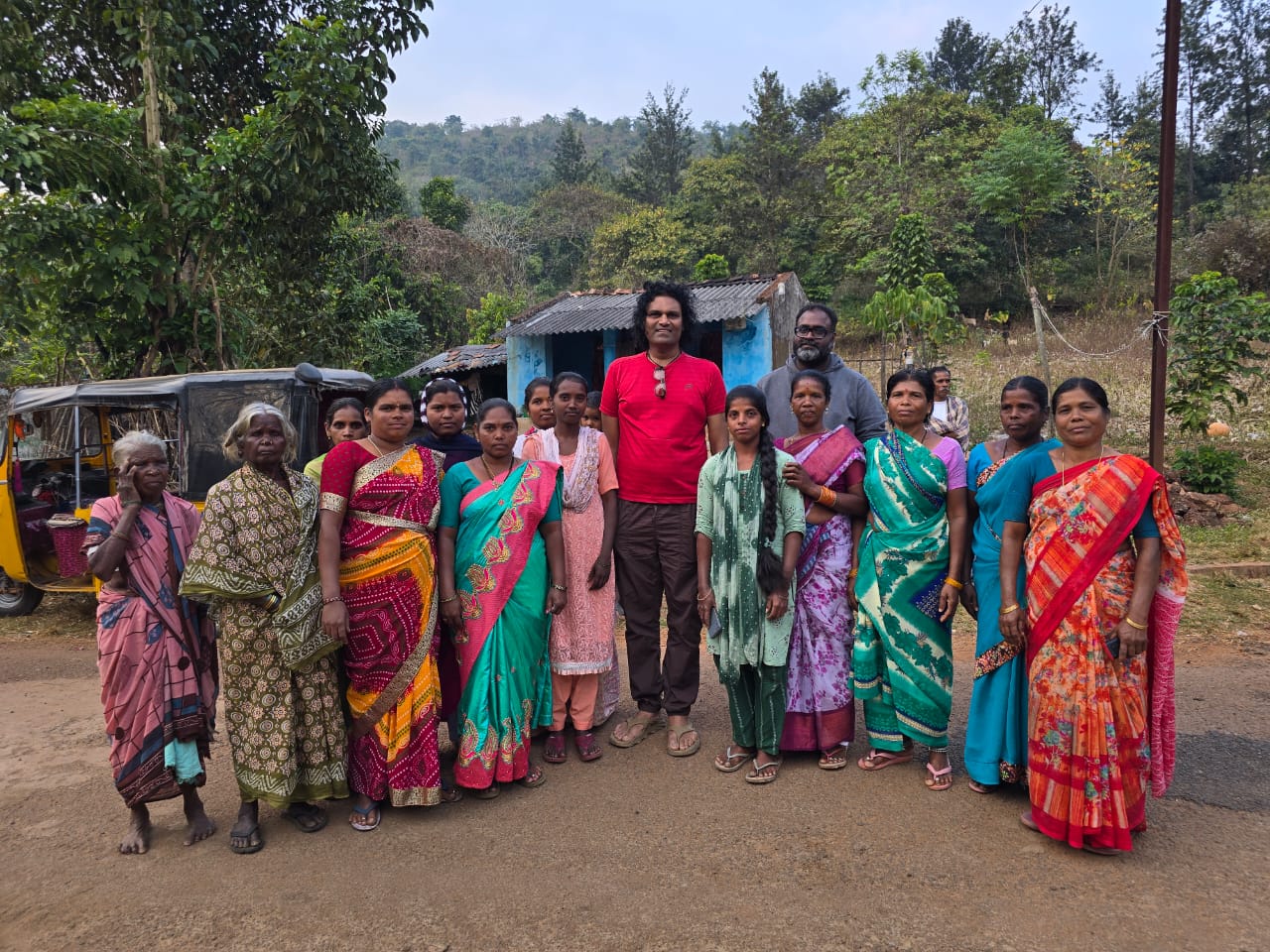
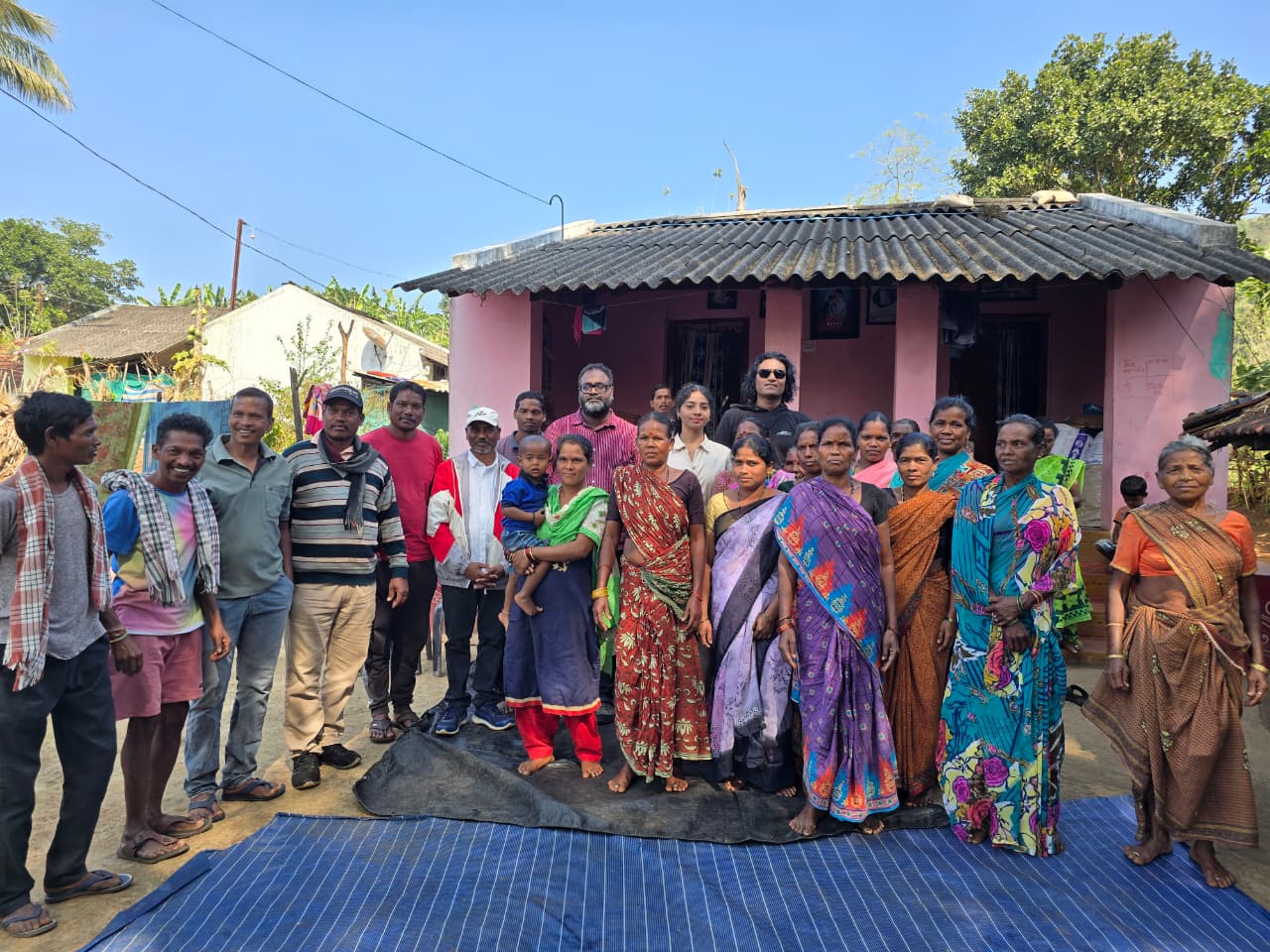
Inclusive employment fairs, counselling, and on-the-spot recruitment bringing opportunity to underserved tribal communities.
Financial literacy, self-help group formation, leadership development, and dedicated livelihood pathways for women.
We work closely with communities to understand real needs and deliver programmes that create lasting social impact.
Upholding the highest standards of integrity and transparency in all operations and financial management.
Operating across Telangana, Andhra Pradesh, Puducherry, Karnataka, Uttarakhand, Assam and beyond.
8+ national and state-level awards recognising our founder's dedication and the organisation's measurable impact.
80+ collaborating companies across IT, healthcare, BFSI, retail and manufacturing ensuring real placement outcomes.
200+ job fairs, 1.2 lakh+ placements, and a scalable model that continues to grow year after year.
Working together with organisations and institutions to create sustainable social impact across India.


80+ leading companies across IT, healthcare, BFSI, retail, manufacturing, logistics and service sectors associated with Nipuna HDS job fairs and placement drives.
Nipuna HDS is a holistic grassroots organisation working tirelessly to build a stronger nation. Kindly contribute in whatever way you can.
Reach out to donate, volunteer, partner, or learn more about our work across India.
Select any project to open its full details.

Large-scale job fairs at JNTU Hyderabad connecting lakhs of job seekers with companies across multiple sectors.

Nipuna's first major job fair outside Telangana — 106 companies, 15,291 candidates, 2,921 placements.

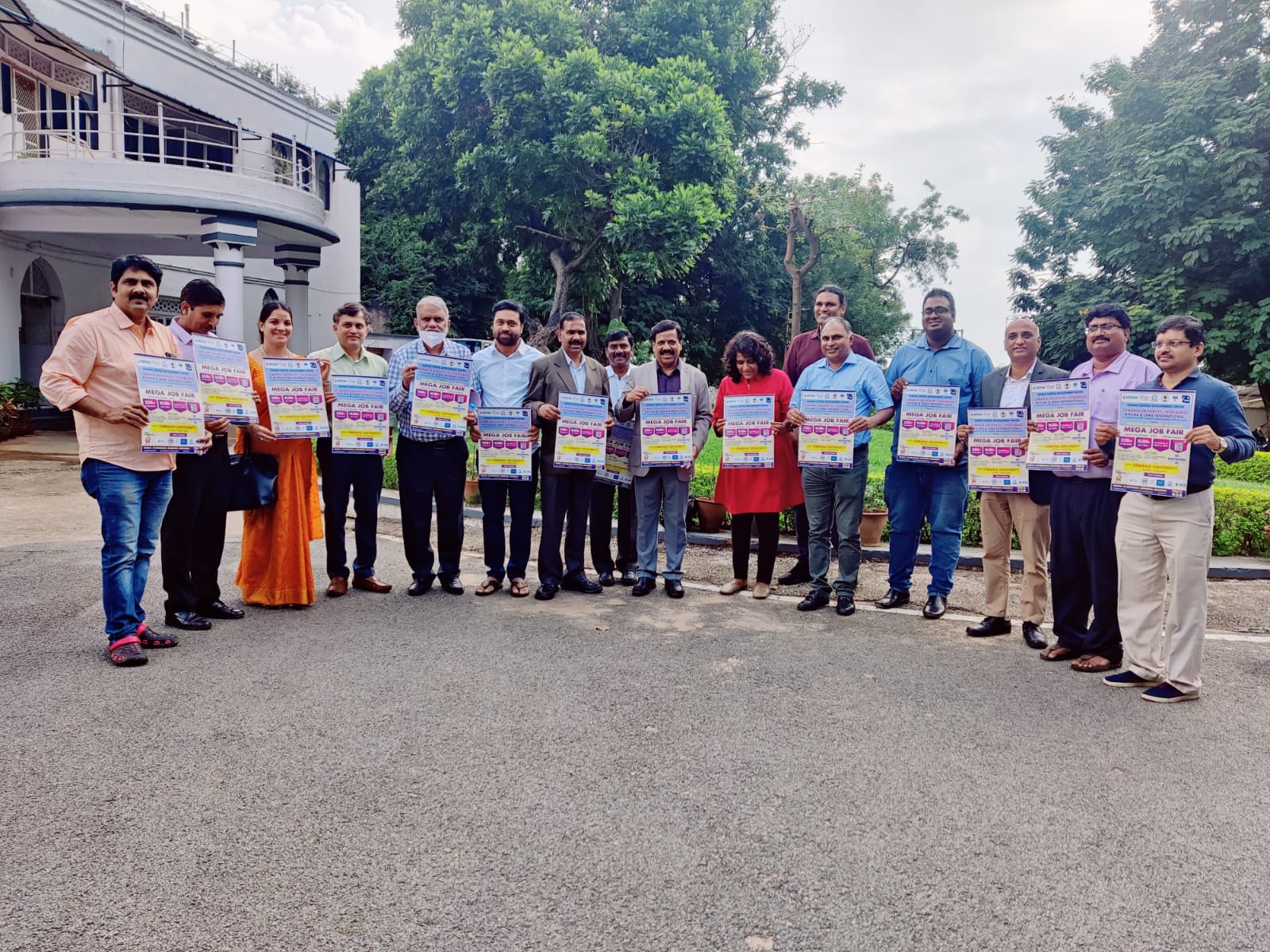
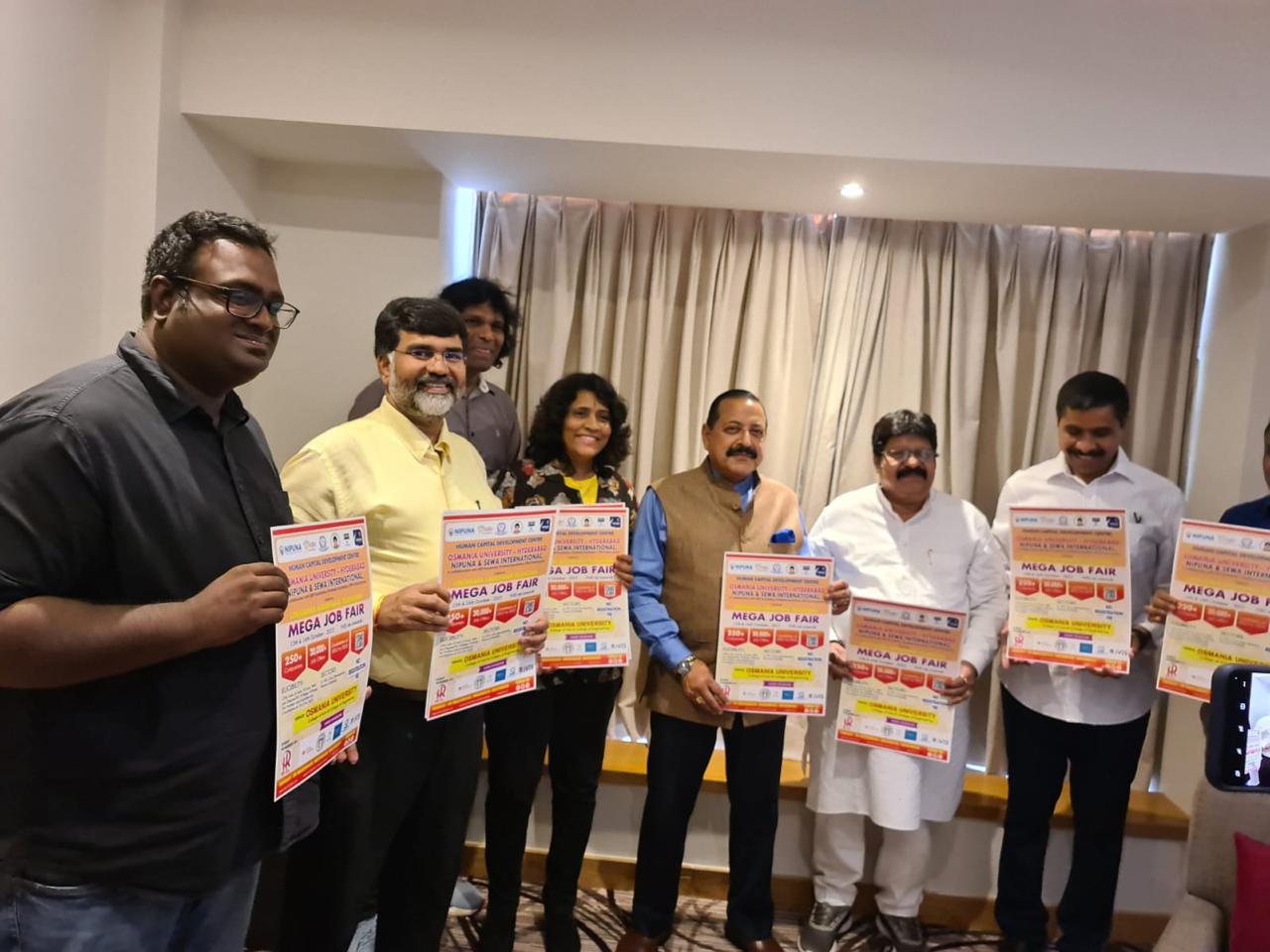
55,000+ job seekers, 15,000+ placements. A landmark employment event at Osmania University.

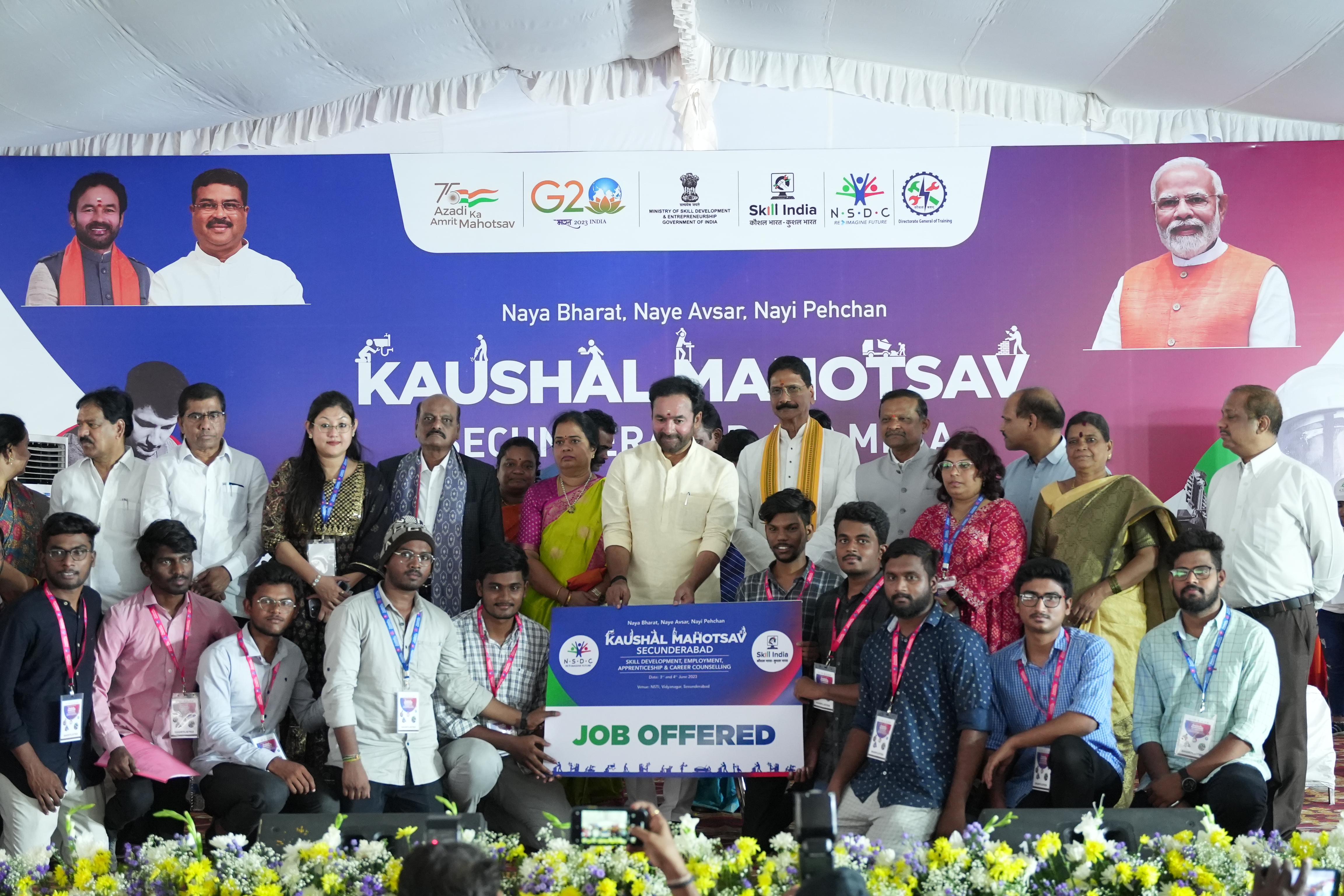
Major employment & skill event with NSDC, guided by Union Minister Shri G. Kishan Reddy.

Employment drives across Eluru, Vijayawada, Bapatla, Rajamahendravaram, East Godavari, Guntur and Kakinada.

Nipuna's 200th job fair — 142 companies, 16,574 candidates, 5,000+ placements.

Employment and skill opportunities for tribal youth through local fairs and on-the-spot recruitment.

Feeding families, providing essentials, and standing with communities during India's toughest hours.

Food distribution, grocery kits, hygiene support during Covid-19, cyclones and other crises.

Employment outreach for urban poor youth through counselling, registration, company participation and on-the-spot placement drives.

Water purification, free skill-based training, and placement support for sustainable community development.

Decentralised livelihood model creating local value addition and market-linked income under MEPMA.

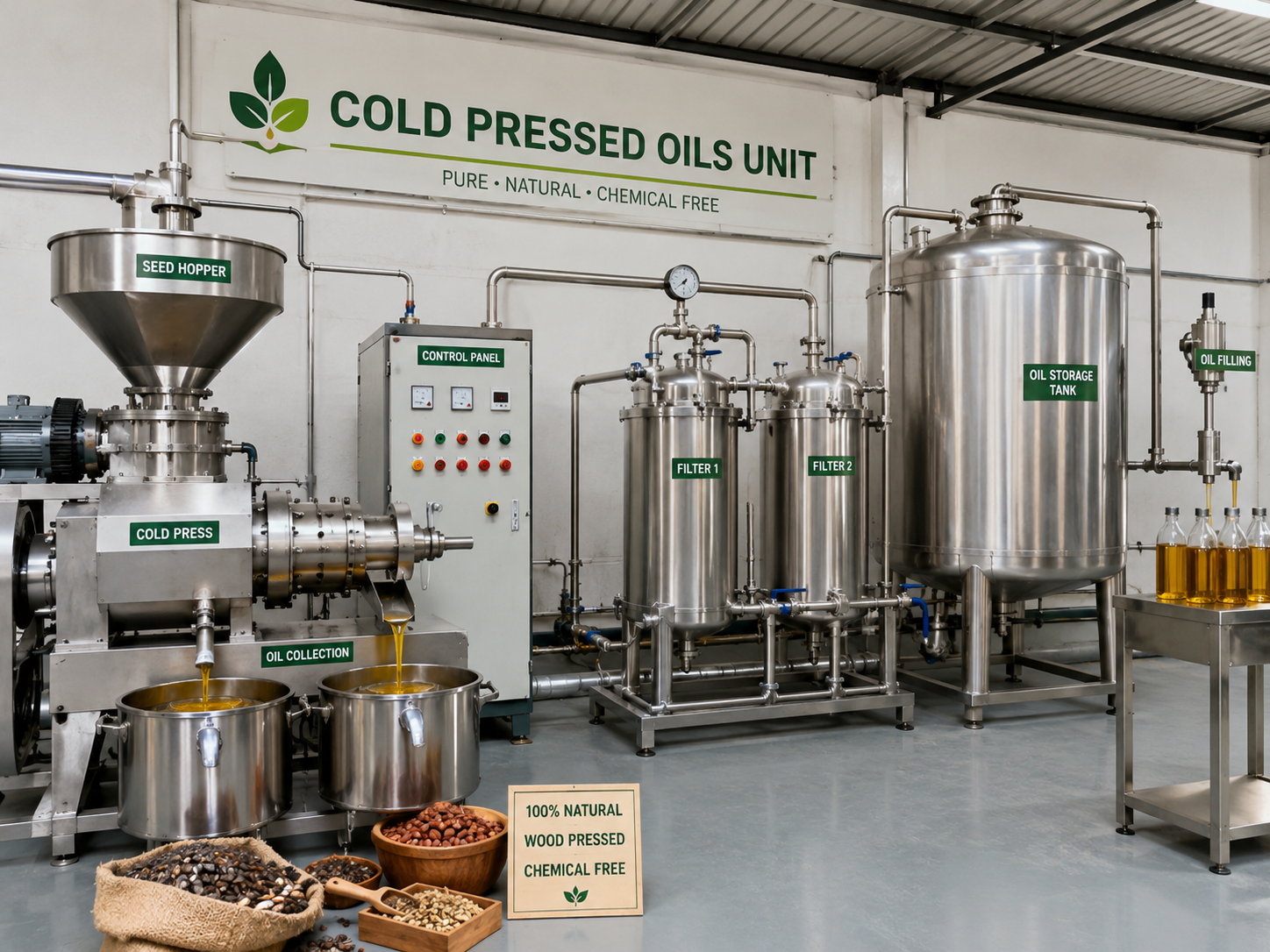
Women-led SHG livelihood unit for pure cold pressed oils, training, production, packaging and market linkage.
Creating sustainable livelihoods for SHGs, women groups, small entrepreneurs and urban poor families through processing centers, cold pressed oil units, product value addition and market-linked enterprise models.
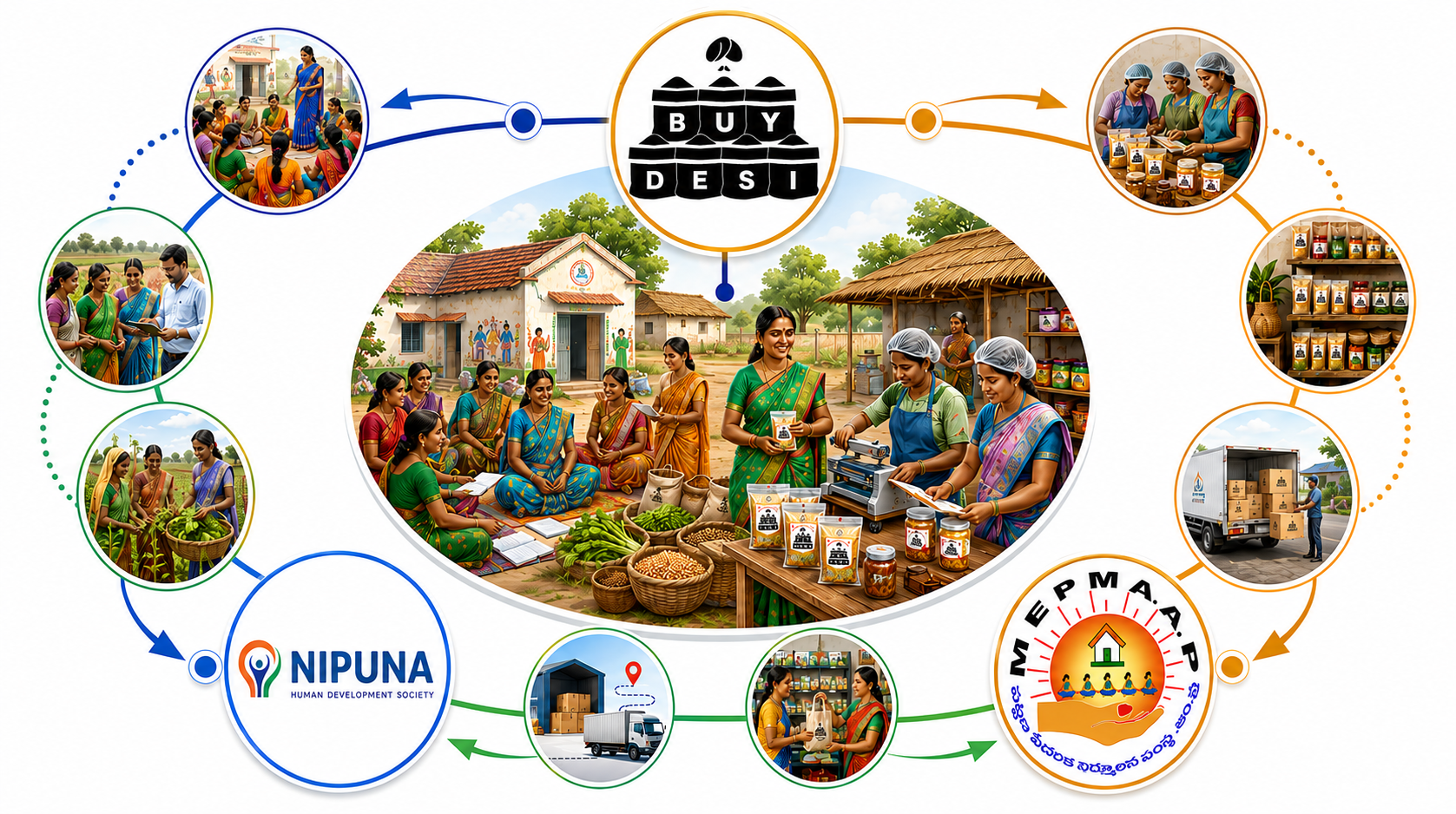
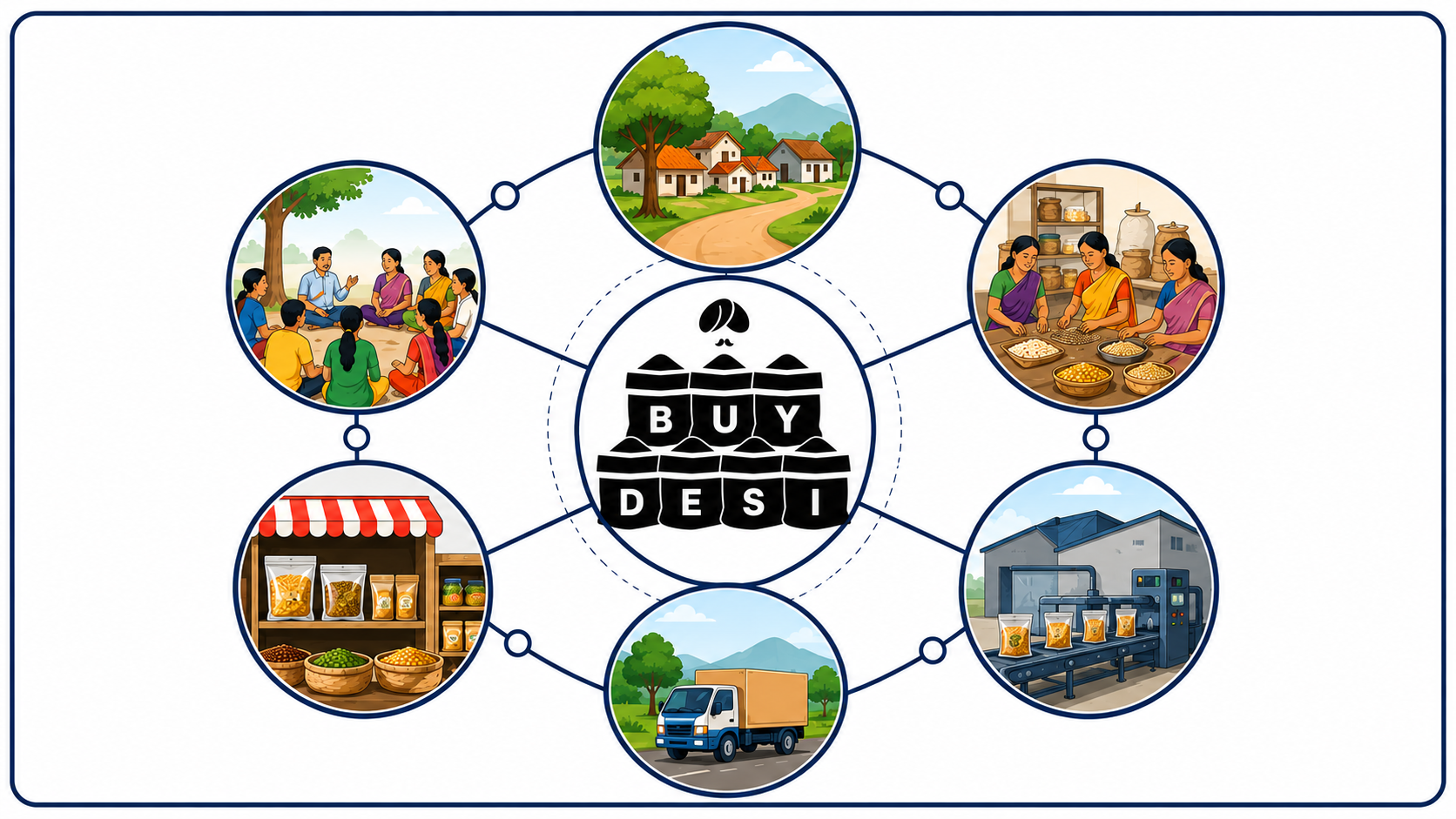
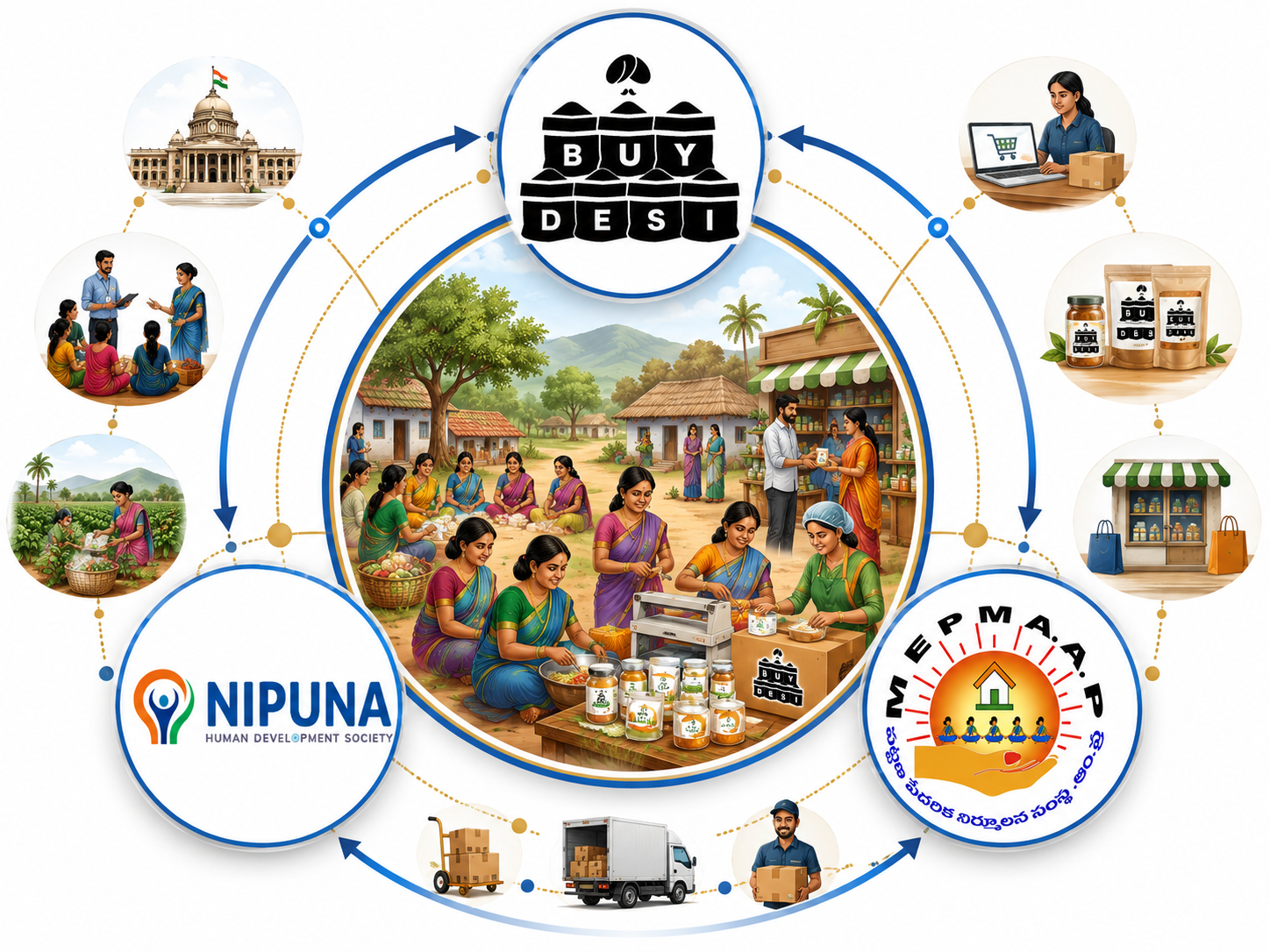
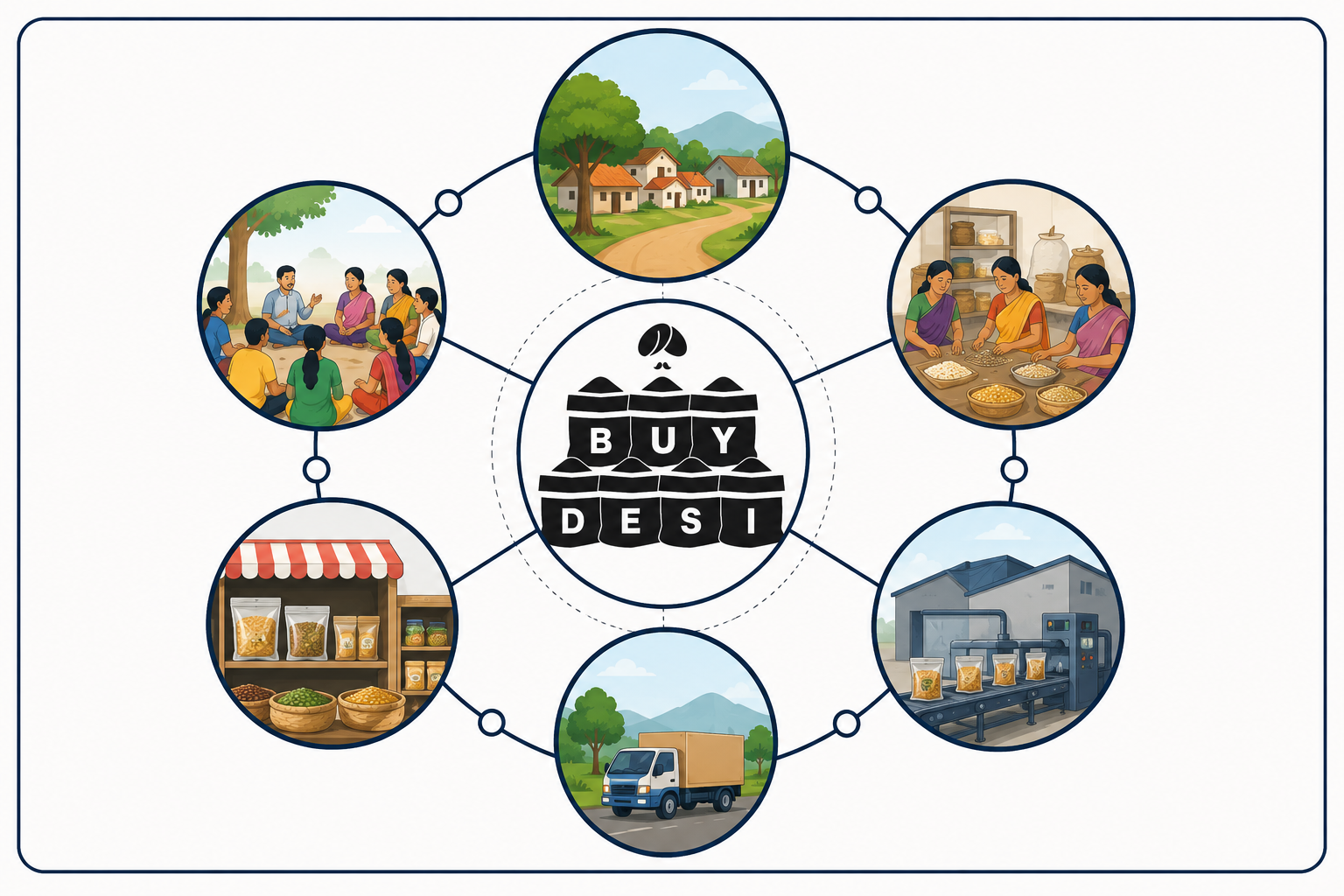
MEPMA gives the livelihood ecosystem and beneficiary support, Nipuna HDS connects communities and implementation on ground, and Buy Desi brings market linkage, branding, workflow and assured business opportunities.
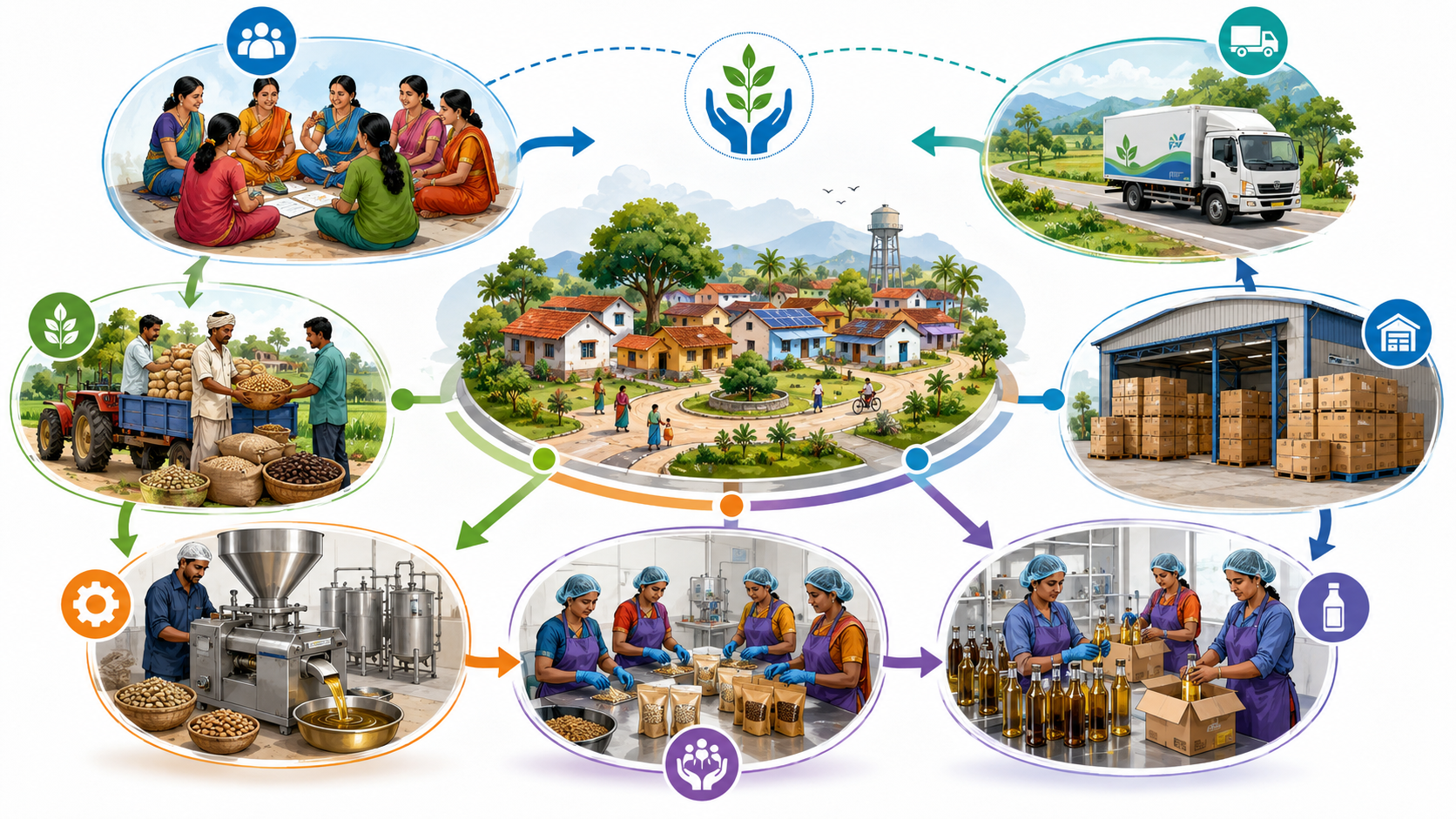
The model follows a decentralized processing and market-linkage system: raw materials are supplied to centers, products are processed and packed, stored safely, delivered through Buy Desi and payment is released after successful delivery.
MEPMA, Nipuna HDS and Buy Desi work as one coordinated livelihood model. MEPMA supports beneficiary mobilization, institutional coordination and scheme convergence. Nipuna HDS acts as the field implementation bridge for awareness, registration, training coordination, documentation and follow-up. Buy Desi brings market linkage, product standards, workflow support, sales channels and distribution so that local products can move from producers to customers in an organized and income-generating way.
Buy Desi acts as the anchor client, operational ecosystem and market linkage partner for processing and packaging centers.
Nipuna HDS connects the MEPMA livelihood ecosystem with Buy Desi operations by supporting field coordination, beneficiary mobilization and impact follow-up.
MEPMA supports beneficiary identification, SHG mobilization, capacity building, infrastructure/financial convergence and monitoring.
These project areas show how MEPMA, Nipuna HDS and Buy Desi support communities through processing units, cold-pressed oil units, training, market linkage and livelihood development.

Clear explanation of how Nipuna is connected with MEPMA through Buy Desi livelihood and enterprise support work.

Know what Buy Desi is doing, how it supports processing centers and how it connects with Nipuna under MEPMA.

Starting with Guntur and Srikakulam, then expanding to district-level processing and packing centers.

Multi-client hubs for cleaning, grading, sorting, grinding, packing, labeling, storage and dispatch.

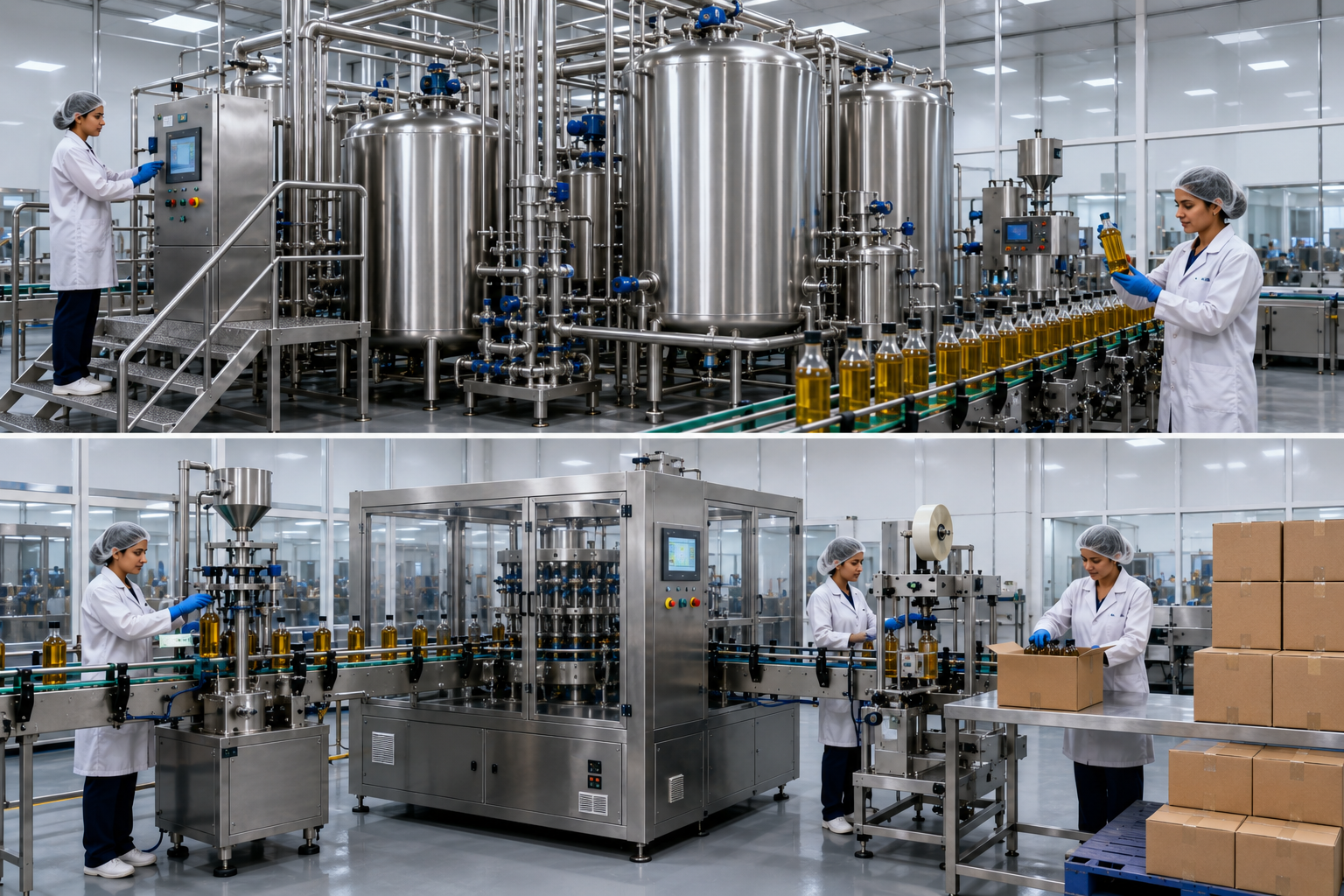
Seed cleaning, cold pressing, oil extraction, filtering, bottling, labeling, packing and storage.

Candidate registration, counselling, company participation, placement drives and follow-up.
Initial pilot implementation is proposed in Guntur and Srikakulam. Guntur has strong logistics, workforce availability and market connectivity. Srikakulam has strong agricultural and tribal production potential with high livelihood impact.

Decentralized multi-client service hubs for livelihood generation, supply chain strengthening and local value addition.
These centers are planned as decentralized livelihood and enterprise hubs under MEPMA support. The purpose is to help SHGs, unemployed youth, women entrepreneurs, small producers and local entrepreneurs convert raw local products into clean, graded, processed, packed and market-ready products.
The centers support local value addition at the source instead of sending raw products outside without processing. This creates local employment, improves product quality, strengthens supply chains and gives entrepreneurs a practical service-based income model.
To create district-level processing and packaging infrastructure for livelihood generation, micro-enterprise development and supply chain strengthening.
Cleaning, grading, sorting, processing, grinding where required, hygienic packaging, labeling, batch coding, storage and dispatch readiness.
Buy Desi provides assured baseline work while centers can also serve open-market clients such as brands, FPOs, institutions and local businesses.
Millets, pulses, spices, cold pressed oils, disposable plates, dry fish and other locally produced value-added products.
Women SHGs, urban poor families, youth, local producer groups, micro-enterprises, unemployed individuals and community institutions.
More local jobs, reduced middlemen dependency, better packaging quality, stronger local manufacturing and scalable district-level enterprise growth.
Remove dust, stones and foreign material to improve hygiene and quality.
Separate material by size, quality and usability for consistent batches.
Manual or machine-supported segregation for consistency.
Product-specific value addition such as grinding or preparation.
Sealing, packing and making products market ready.
Brand labels, product details and retail presentation.
Batch number, date and traceability details.
Safe storage before dispatch and order fulfillment.
This initiative combines MEPMA's government-supported entrepreneurship ecosystem with Nipuna's field coordination and Buy Desi's operational and market linkage capabilities. It reduces market risk, creates sustainable livelihoods, strengthens agricultural value chains and builds a scalable model for inclusive economic growth.

Women-led and entrepreneur-led livelihood units for healthy traditional oils, local production and market-linked income.
Cold Pressed Oil Centers create practical livelihood opportunities for SHG women, youth and small entrepreneurs. The units focus on seed cleaning, grading, cold pressing, oil extraction, filtering, bottling, labeling, packaging and safe storage.
This project responds to the growing demand for natural, chemical-free and traditionally extracted edible oils while strengthening local manufacturing, women-led enterprise and market-linked income generation.
Promotes natural, chemical-free and traditionally extracted oils such as groundnut, sesame, coconut, sunflower, mustard and other edible oils.
Creates opportunities for SHG women, urban poor families, unemployed youth, small producers and local entrepreneurs.
Seed cleaning, grading, cold pressing, oil extraction, filtering, bottling, labeling, packaging, storage and dispatch.
Buy Desi supports anchor work, quality standards, branding, customer reach, distribution and open-market linkage.
Seeds and raw material are processed closer to the source, creating local income and reducing post-harvest value loss.
Strengthens local supply chains, promotes micro-enterprises, reduces middlemen dependency and supports district-level economic growth.
Prepare oil seeds by removing dust, stones and damaged seeds before pressing.
Grade seeds by quality and condition to improve oil output.
Traditional low-heat oil extraction.
Extracting pure oil from prepared seeds.
Removing residue for clean finished oil.
Fill filtered oil into clean bottles with measured quantity.
Fixing labels and product details.
Final packing for delivery and retail sale.
Safe stock keeping before dispatch.
The unit strengthens women-led entrepreneurship, supports local farmers, promotes healthy traditional products, reduces dependency on middlemen and builds a sustainable product-based livelihood model under MEPMA support.

How community mobilization, institutional support and market linkage come together.
Nipuna HDS, MEPMA and Buy Desi work together as one livelihood implementation chain. MEPMA brings the government-supported livelihood ecosystem, SHG network, beneficiary mobilization and district coordination. Nipuna HDS works as the field-level bridge that connects communities, SHGs, entrepreneurs and institutions. Buy Desi brings the assured market model through sourcing, processing, packaging, branding, sales and distribution.
This connection is important because many SHGs, unemployed youth, women entrepreneurs and small producer groups have skills and willingness to work, but they need organized training, infrastructure, market access, continuous work and follow-up. Through this model, MEPMA enables support, Nipuna mobilizes and coordinates people on ground, and Buy Desi converts local production into market-ready products and income opportunities.
The model is designed to build decentralized livelihood hubs where value addition happens closer to the source of production. Local products such as millets, pulses, spices, cold pressed oils, disposable plates, dry fish and other locally produced items can be cleaned, graded, processed, packed, labeled, stored and dispatched through organized systems.
Instead of beneficiaries depending only on one-time training, this model gives them a practical work opportunity. Buy Desi acts as an anchor client for stable baseline business, while the centers can also take work from private brands, FPOs, local traders, institutions and other buyers. This gives both assured income stability and future growth flexibility.
Assured work + local skill building + market access + service-fee income + open-market opportunity + long-term micro-enterprise growth.

Market linkage, anchor work, quality systems and product distribution support.
Buy Desi is an e-commerce and rural market linkage platform that connects locally produced products with customers across India. It works with farmers, tribal producers, artisans, SHGs, local entrepreneurs and producer groups to create better market access, branding, processing, packaging and product sales.
Under the MEPMA livelihood model, Buy Desi acts as the anchor client and market support partner. It gives continuous baseline work to processing and packaging centers, shares product standards, supports branding and helps finished products reach customers through organized sales and distribution channels.
Buy Desi connects locally processed products to customers, e-commerce channels, retail buyers, institutions and open-market opportunities.
It provides baseline processing and packaging work to centers so entrepreneurs do not start with high market risk.
Buy Desi supports workflow, product requirements, quality standards, packing process and dispatch discipline.
Buy Desi supports customer acquisition, order flow, dispatch coordination and product movement to the market.
Through continuous work and service-based payment, the model creates income opportunities for SHGs, youth and local entrepreneurs.
Nipuna HDS acts as the implementation and community bridge between MEPMA beneficiaries and Buy Desi operations. Nipuna supports awareness, beneficiary registration, counselling, training coordination, documentation and field-level follow-up.
Buy Desi provides the business side of the model: product demand, processing requirements, packaging standards, branding support, sales channels and customer reach. Nipuna helps the right beneficiaries and entrepreneurs participate in this opportunity and ensures smooth coordination between community, MEPMA and Buy Desi.
Buy Desi supports decentralized centers for value addition activities such as cleaning, grading, sorting, processing, grinding where required, cold pressing, bottling, labeling, packaging, storage and dispatch. It helps local products become professional, traceable, market-ready and scalable.
The platform already works with products such as millets, pulses, spices, cold pressed oils, traditional products, rural products and artisan goods. With MEPMA support and Nipuna field coordination, this model can grow from pilot districts to a larger Andhra Pradesh network and later into a Pan India livelihood model.

Starting with Guntur and Srikakulam, validating operations and scaling across Andhra Pradesh and India.
The pilot implementation is planned to test the complete livelihood model before large-scale expansion. It will validate beneficiary mobilization, infrastructure setup, raw material supply, processing capacity, packing quality, storage, dispatch, payment workflow, market demand and entrepreneur income stability.
The pilot will help standardize SOPs, training modules, quality-check systems, payment process, monitoring formats and district-level coordination. Once the model becomes stable, it can be replicated across districts with better planning and lower operational risk.
Confirm locations based on product availability, SHGs, market connectivity and infrastructure.
MEPMA and Nipuna mobilize SHGs, women, unemployed youth and local entrepreneurs.
Buy Desi provides workflow, quality standards, packaging process and operational guidance.
Centers begin sourcing, processing, packing, storage, dispatch and payment workflow.
Buy Desi sources materials from farmers, SHGs, tribal producers and FPOs.
Center processes, quality-checks and packs as per standards.
Packed products are stored safely and dispatched order-wise.
Orders are delivered to customers through Buy Desi network.
Payment is released to the center after successful delivery.
Select districts based on agriculture, infrastructure and livelihood need.
Mobilize and enroll SHGs, youth and local entrepreneurs.
Set up machinery, workspace, quality process and training systems.
Begin regular supply, processing, packaging and dispatch.
Track quality, payment, workflow and performance for expansion.
After successful implementation in Andhra Pradesh, the model can be expanded to other Indian states through local SHGs, producer groups, FPOs, entrepreneurs and institutional partners. The future vision is to build a decentralized processing, packaging and market-linkage network across India.
This Pan India model can support regional products, traditional foods, tribal produce, farmer products, handicrafts and local value-added goods while creating local employment and entrepreneurship opportunities.
Organized sourcing from farmers, SHGs, FPOs and producer groups before processing begins.
Raw material supply is the starting point of the livelihood chain. Local produce is identified, collected and prepared for value addition through MEPMA-supported communities, Nipuna field coordination and Buy Desi market linkage.
Identify suitable raw materials such as pulses, millets, spices, oil seeds, forest produce and local products from farmers, SHGs, FPOs and producer groups.
Check basic quality, freshness, moisture condition, cleanliness and suitability before accepting material for processing or packaging.
Creates a regular sourcing channel for local producers and connects their produce with processing centers and market demand.
MEPMA supports community access, Nipuna coordinates field-level collection, and Buy Desi guides product demand and market standards.
This stage helps local producers move from scattered selling to an organized supply chain with better visibility and future repeat work.
Removing dust, stones, damaged particles and unwanted material before grading or processing.
Cleaning is the first quality-control activity in Processing and Packaging Centers. It ensures that only clean, safe and usable raw material moves to the next stage. This improves product hygiene, customer trust and processing efficiency.
Raw materials are cleaned manually or with simple equipment to remove dust, stones, husk, broken particles, insects, mud and other foreign matter.
Useful for pulses, millets, spices, grains, oil seeds, dry products and local produce handled by SHGs and small entrepreneurs.
Clean raw material reduces wastage, improves food safety, protects machinery and creates a better final product for retail packing.
SHG members and local youth can be trained for cleaning work as a regular paid activity within the center.
Cleaning builds the base for professional quality standards and helps local products enter formal markets through Buy Desi and open-market channels.
Preparing oil seeds before cold pressing to improve oil quality and hygiene.
Seed cleaning is a dedicated operation for cold-pressed oil units. Seeds must be clean, dry and free from unwanted material before they are moved into the cold press machine.
Oil seeds such as groundnut, sesame, coconut, sunflower, mustard, castor and flaxseed are cleaned to remove stones, dust, shells and damaged seeds.
Only suitable seeds are selected for pressing, helping maintain natural aroma, purity and better shelf quality of the oil.
Clean seeds protect the machine, reduce contamination and improve the final oil output.
Women SHGs and trained youth can handle seed cleaning, pre-checking and batch preparation as part of unit operations.
Clean seed preparation strengthens the quality of cold-pressed oils and supports reliable production for Buy Desi and other market channels.
Separating raw material based on size, quality, condition and usability.
Grading brings consistency to local products. It helps the center separate good quality material from damaged or unsuitable material, making final products more reliable and market-ready.
Raw materials are separated based on size, color, quality, freshness, moisture condition and physical damage.
Applicable for millets, pulses, spices, oil seeds, grains, dry products and other local products handled by the centers.
Grading improves uniformity, reduces rejection, supports batch consistency and helps products look professional on retail shelves.
Local women and youth can be trained to grade products accurately using simple standards and checklists.
Grading helps small producers meet market standards and builds customer confidence in community-made products.
Selecting usable material and removing damaged or unwanted items before processing.
Sorting is a detailed selection stage after cleaning and grading. It ensures that only selected material enters processing, packaging or oil extraction, improving both quality and customer satisfaction.
Workers sort raw material manually or with basic tools to remove damaged grains, broken seeds, discolored items, unwanted pieces and foreign objects.
Sorting supports consistent taste, appearance, pack quality and processing output.
Better sorting reduces complaints and helps local products match the expectations of e-commerce, retail and institutional buyers.
Sorting provides steady work for trained SHG members, especially in product preparation and quality checking.
Sorting transforms local produce into a more reliable input for branded and market-ready products.
Converting local raw produce into value-added products through product-specific operations.
Processing is where local produce becomes a usable product. Depending on the category, this may include grinding, powdering, mixing, de-husking, preparation, pressing or finishing.
Products are processed using suitable machinery and standard operating practices based on the product type and market requirement.
Can include pulses, spices, millets, powders, cold-pressed oils, dry fish, disposable plates and other local products.
Processing must follow hygiene, measurement, consistency and safety standards so that every batch is reliable.
Buy Desi provides market guidance and product standards, Nipuna supports coordination, and MEPMA enables beneficiary participation and support.
Processing adds value to local produce and increases income potential for entrepreneurs and community groups.
Extracting oil through low-heat traditional pressing to preserve natural product value.
Cold pressing is the main production activity of the oil unit. Cleaned and graded seeds are pressed slowly without high heat, supporting healthy, natural and traditional oil positioning.
Prepared seeds are loaded into the cold press machine and pressed at low temperature to extract oil naturally.
This process helps retain natural aroma, taste and nutritional qualities compared to high-heat refining methods.
Operators monitor cleanliness, seed condition, machine operation and output quality during pressing.
Women SHGs and trained operators can run the unit, manage batches and create income through regular oil production work.
Cold pressing supports traditional healthy oils while creating local enterprise opportunities for SHGs and youth.
Collecting oil from prepared seeds after pressing and preparing it for filtration.
Oil extraction is the core output stage of the cold-pressed oil unit. The extracted oil is collected carefully and prepared for filtering, bottling and branding.
Oil is extracted from selected seeds using cold press machinery and collected in clean food-grade containers.
The process must maintain hygiene, avoid contamination and separate oil from seed residue properly.
Oil cake or residue can be handled separately where suitable, supporting additional value use.
This stage creates skilled machine operation and production monitoring work for trained local entrepreneurs.
A clean extraction process improves oil purity and strengthens the commercial value of the finished product.
Removing sediment and coarse particles before bottling.
Filtering makes extracted oil cleaner and bottle-ready while preserving the natural identity of cold-pressed oils. It improves clarity, hygiene and customer acceptance.
Extracted oil is passed through suitable filtering methods to remove sediment, seed residue and visible particles.
Filtering improves appearance and usability without changing the traditional cold-pressed nature of the product.
Clear and clean oil is more suitable for bottling, labeling, storage and retail display.
Local teams can be trained to monitor filtering, container cleanliness and batch handling.
Filtering improves customer confidence and prepares the product for professional packaging and sale.
Filling filtered oil into clean bottles with measured quantity and hygienic handling.
Bottling is the stage where filtered oil becomes ready for labeling, packing and market supply. It requires cleanliness, quantity accuracy and careful handling.
Filtered oil is filled into clean bottles or containers in required quantities using hygienic filling practices.
Bottle cleanliness, correct quantity, sealing and handling are checked before labeling.
Proper bottling makes oil suitable for retail, e-commerce, institutional supply and Buy Desi distribution.
Women SHGs can manage filling, sealing, bottle checking and finished goods preparation as regular work.
Bottling converts oil into a customer-ready product and improves the professionalism of community-produced goods.
Adding brand identity, product details and batch information to packs or bottles.
Labeling gives products a clear identity. It helps customers understand the product, supports trust and makes local products ready for modern retail and online sales.
Labels are fixed on packets, bottles or boxes with product name, brand, quantity, batch details and other required display information.
Labels must be neat, correctly placed, readable and matched with the right product batch.
Good labeling improves shelf appeal, brand recognition and customer trust.
Buy Desi supports branding and packaging standards, while local teams handle labeling and quality checking at the center.
Labeling connects local products with professional markets and helps them compete with organized brands.
Packing products safely for storage, retail sale, e-commerce and delivery.
Packaging protects the product and improves its presentation. It is one of the most important stages for market readiness, especially for Buy Desi and open-market supply.
Cleaned and processed products are packed in suitable pouches, bottles, jars, boxes or cartons based on product type and order requirement.
Packaging must protect freshness, prevent leakage or damage and maintain proper weight or quantity.
Professional packaging helps products move into retail stores, online platforms, exhibitions and institutional supply.
Packaging creates repeated work for local centers and can support women-led micro-enterprises.
Packaging changes local produce into a finished product that can be sold confidently in wider markets.
Adding batch, date and traceability details for quality monitoring.
Batch coding brings discipline and accountability into the processing chain. It helps track when and where a product was prepared, packed and dispatched.
Batch number, production date, packing date and other traceability details are added to the product or label.
Coding supports batch-wise checking, complaint handling, stock rotation and product tracking.
Batch-coded products look more professional and are easier to manage in retail and e-commerce channels.
Local workers can be trained to maintain batch records, coding accuracy and stock documentation.
Batch coding helps community centers follow organized business practices and improves buyer confidence.
Keeping packed products safely before order-based dispatch.
Storage ensures finished products remain safe, organized and ready for dispatch. It supports smooth supply chain operations and prevents damage or contamination.
Packed products are stored in clean, dry and organized spaces with proper stacking, stock separation and batch visibility.
Storage must protect products from moisture, pests, heat, breakage and mixing of batches.
Good storage supports timely dispatch, stock management and better order fulfillment.
Centers can create work in stock handling, inventory records, order preparation and dispatch support.
Proper storage helps the center operate like a professional micro-enterprise and reduces product loss.
Moving finished products from community centers to customers and market channels.
Delivery through Buy Desi connects local production with real customers. It reduces the marketing burden on SHGs and entrepreneurs by giving them access to a wider sales network.
Finished products are dispatched based on Buy Desi orders, retail requirements, e-commerce demand or open-market supply opportunities.
Buy Desi supports branding, customer reach, sales channels, order planning and distribution coordination.
Centers prepare stock, pack orders, maintain dispatch records and ensure products are ready for transport.
Delivery-linked work gives centers continuous business opportunity instead of one-time training or irregular activity.
This stage connects community production with actual income by linking finished goods to customers.
Service-based payment after successful completion of processing, packing and delivery.
The payment-after-delivery model creates accountability and regular income opportunities. Centers are paid for services completed as part of the production and delivery chain.
After products are processed, packed, dispatched and delivered, the center or entrepreneur receives payment for the completed service.
This model encourages quality work, timely delivery, proper records and professional discipline.
Entrepreneurs can earn through service charges for cleaning, grading, processing, packaging, labeling, storage and dispatch support.
Regular orders and service-based payments can help SHGs and youth build stable micro-enterprises.
Payment after delivery makes the model practical, trackable and connected to real market activity.
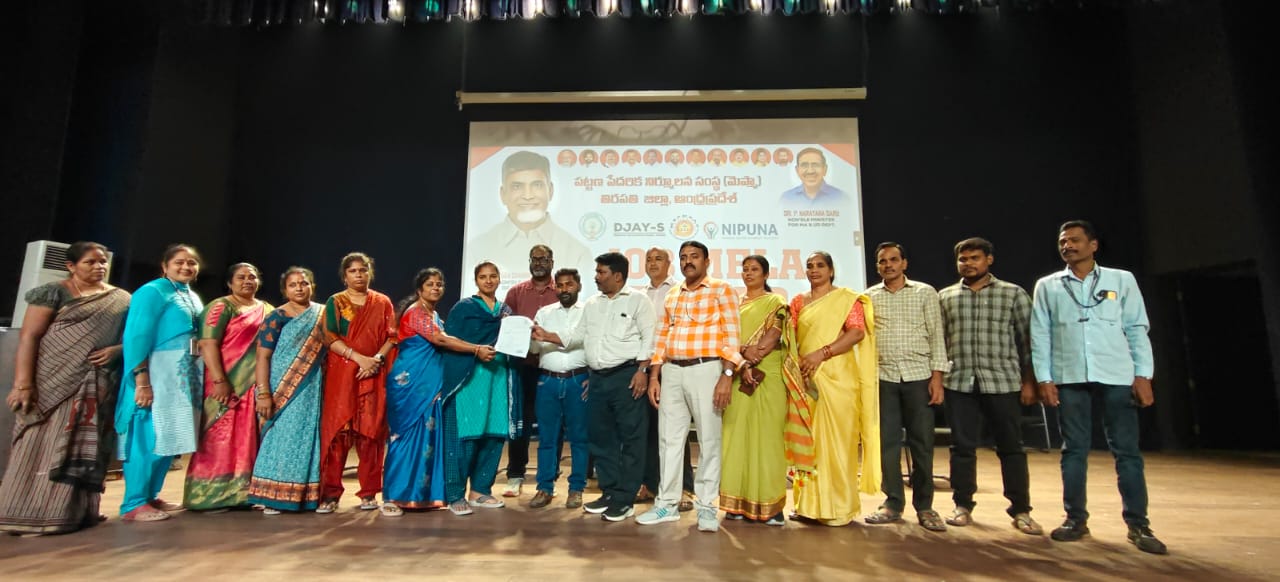
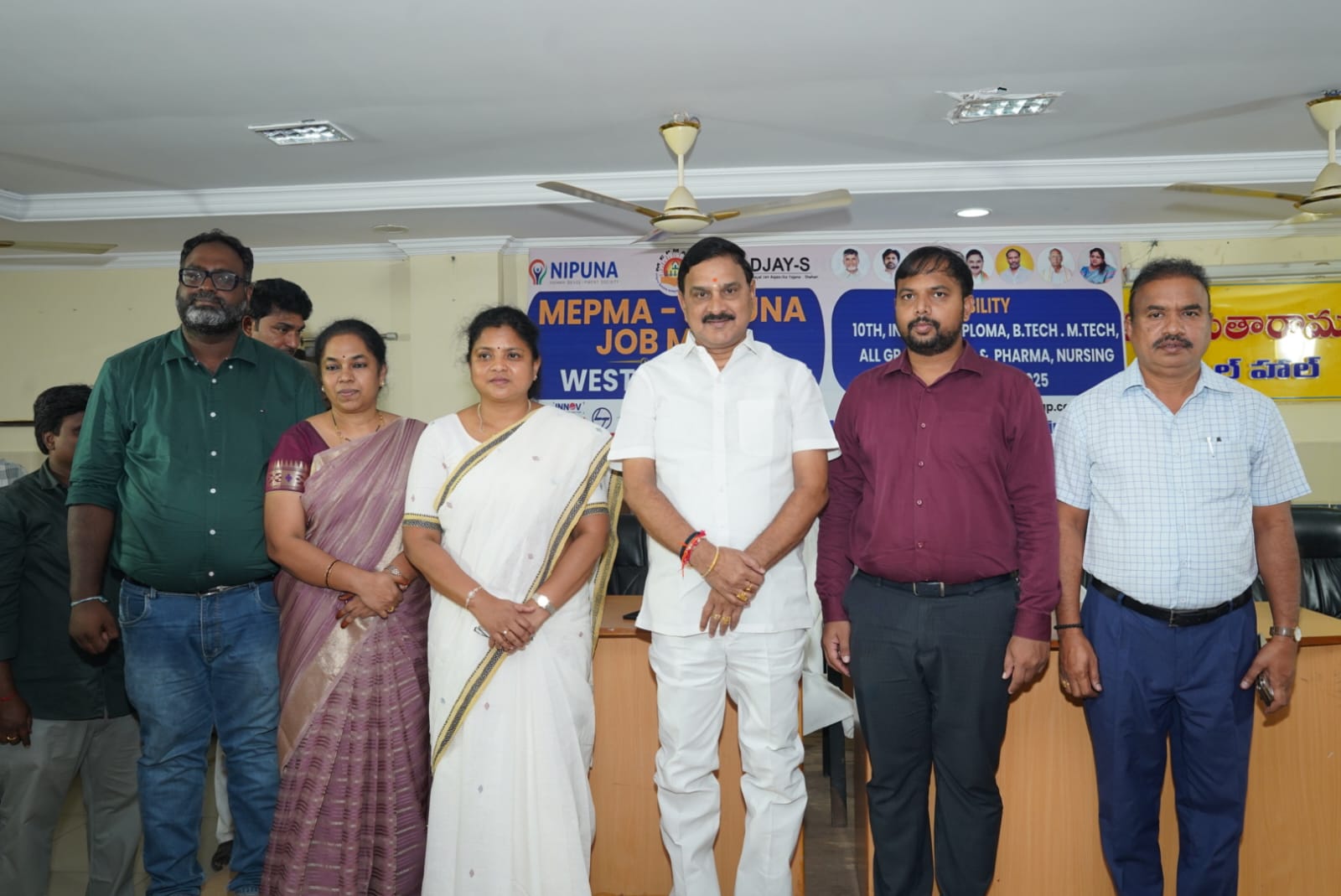
Employment outreach, candidate counselling, company connect and placement support across Andhra Pradesh.
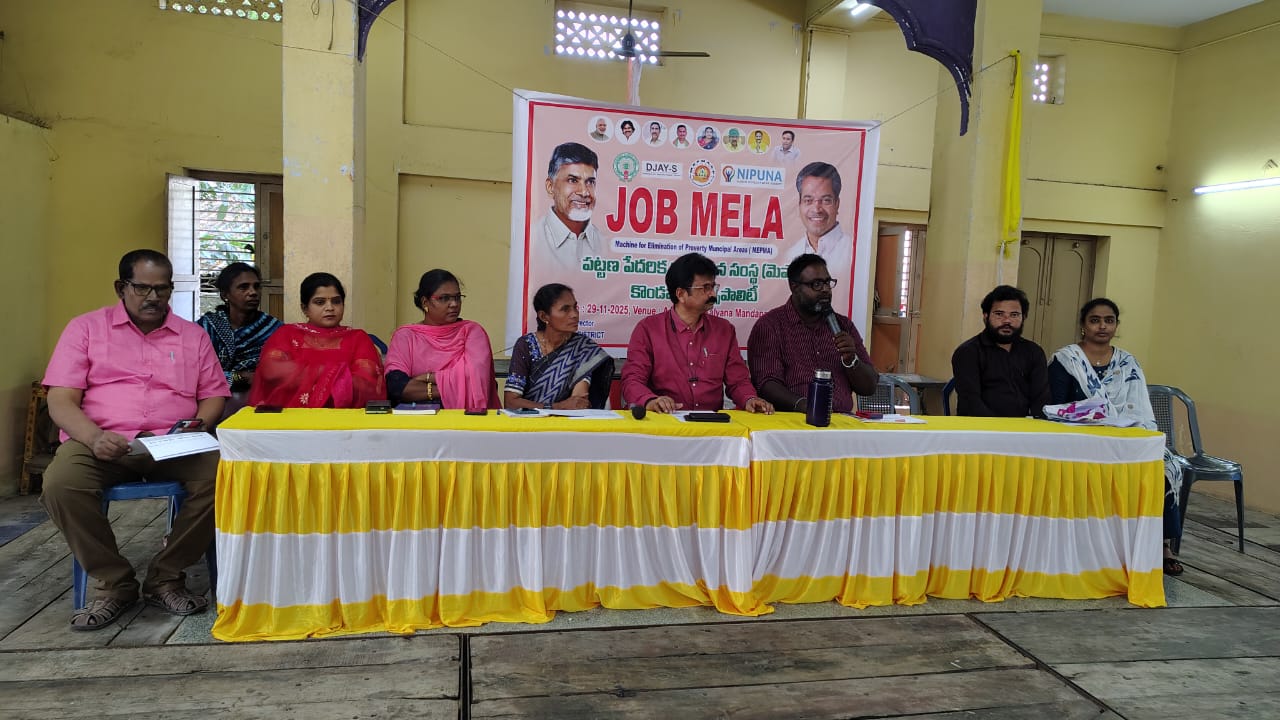
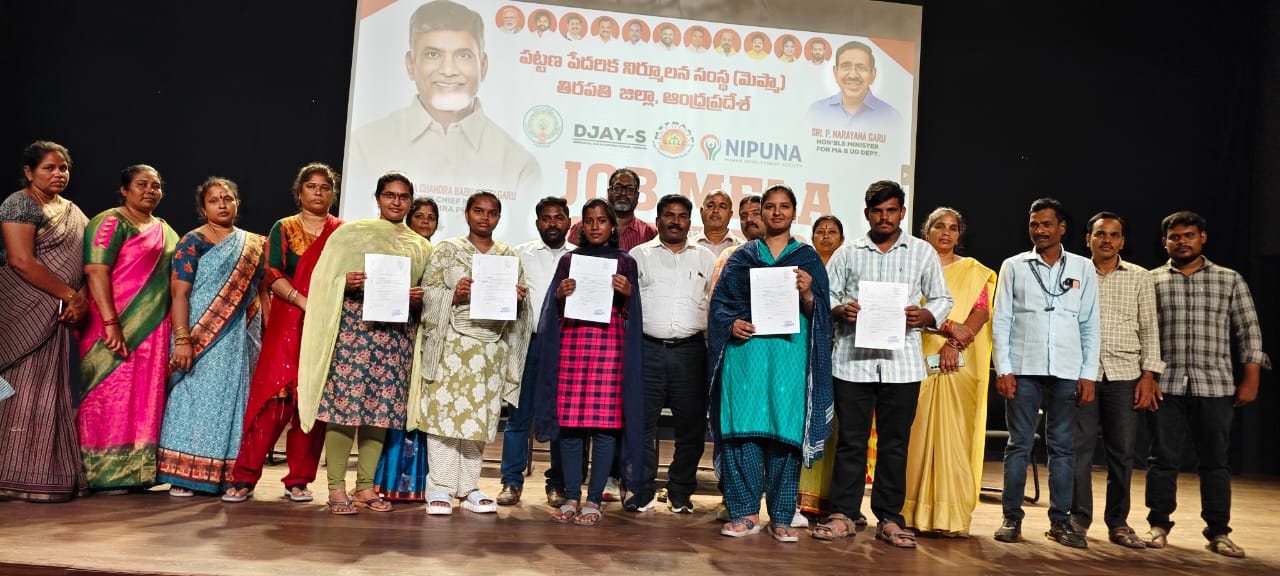
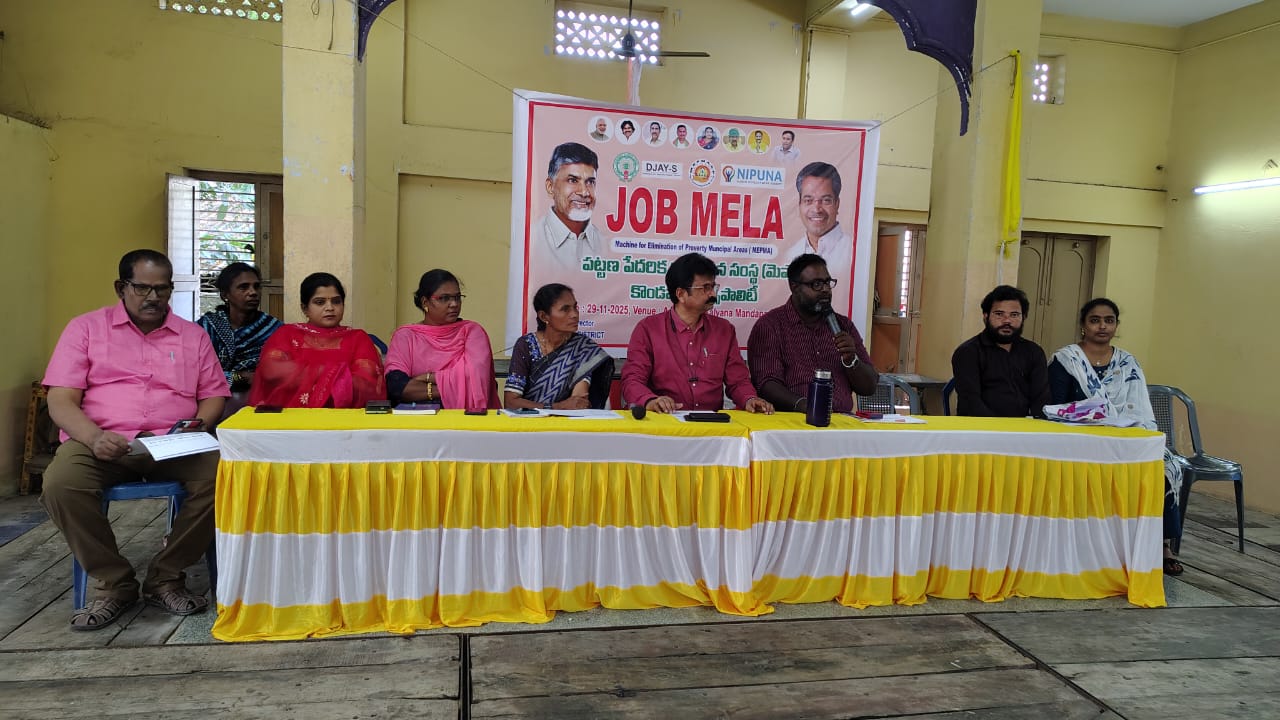
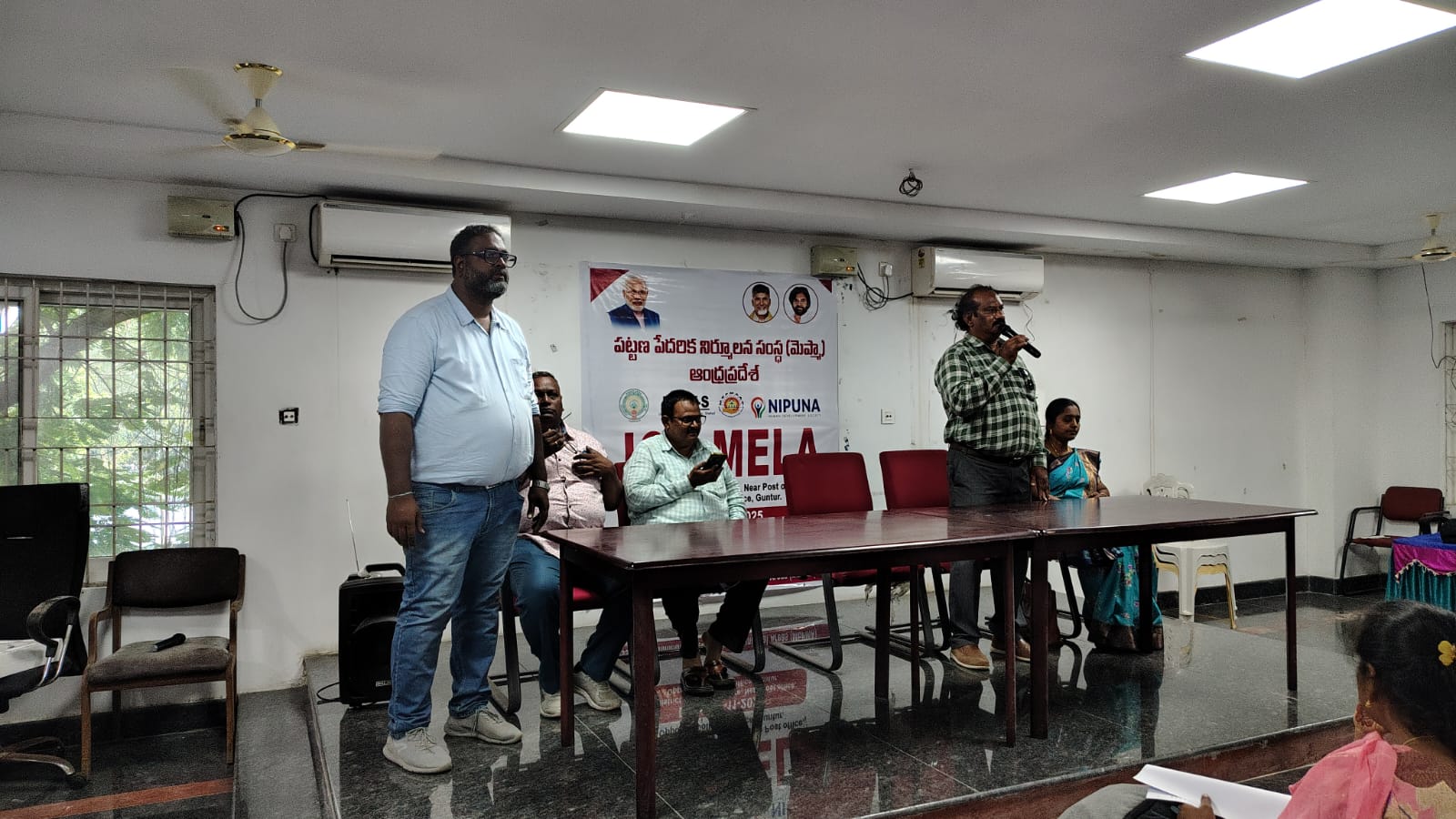
Job fairs under MEPMA, Andhra Pradesh are planned as structured employment drives for urban poor youth, SHG family members, trained candidates and unemployed job seekers. Nipuna HDS supports candidate mobilization, registration, counselling, employer coordination, interview arrangements and follow-up after selection.
This page now includes Eluru, Vijayawada, Bapatla, Rajamahendravaram, East Godavari, Guntur and Kakinada job fairs. Each job fair has a separate clean inner page with two editable gallery photo slots.
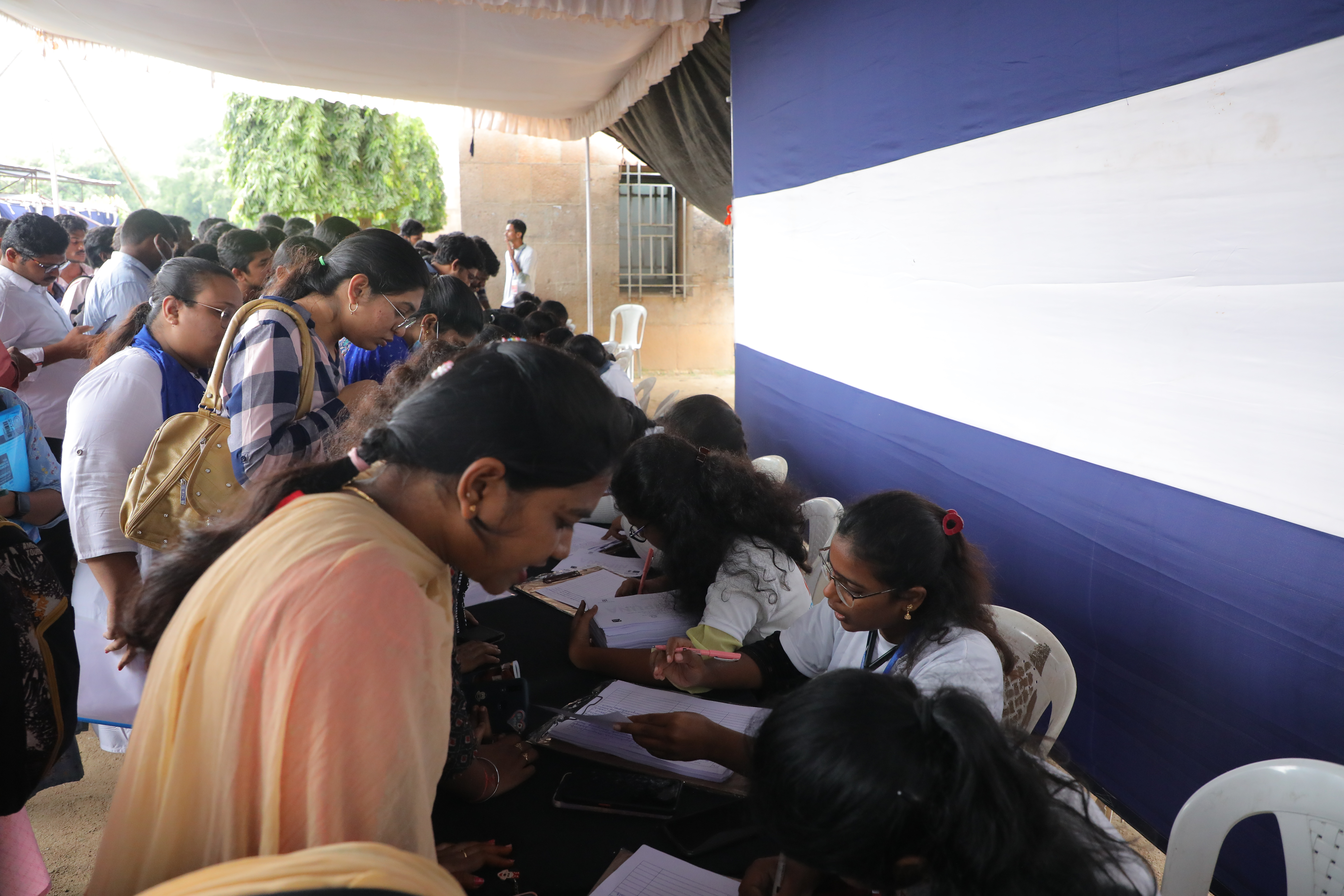
These drives connect candidates with companies that have active hiring requirements. The process includes awareness, registration, basic counselling, company participation, interview coordination and joining follow-up.
Each location page has clear content and 2 editable gallery image slots.
District-level MEPMA job fair focused on local youth, SHG family members and entry-level employment opportunities.
Open PageLarge urban employment drive connecting candidates with companies from service, retail, logistics, healthcare and other sectors.
Open PageCommunity-focused job fair for local candidates, trained youth and low-income families seeking stable livelihood opportunities.
Open PageRegional employment support event connecting job seekers with companies through registration, counselling and interviews.
Open PageDistrict-level job fair supporting youth from urban poor communities, SHGs and surrounding mandals.
Open PageMEPMA employment drive supporting candidate mobilization, company participation, interviews and joining follow-up.
Open PageJob fair for coastal Andhra candidates with focus on organized employment, counselling and employer connect.
Open PageEligible youth and SHG family members are identified.
Candidate details are collected and mapped to suitable jobs.
Candidates receive guidance about interviews and job roles.
Companies participate with active hiring requirements.
Screening, HR discussion and selection process are conducted.
Selected and shortlisted candidates are tracked for joining.
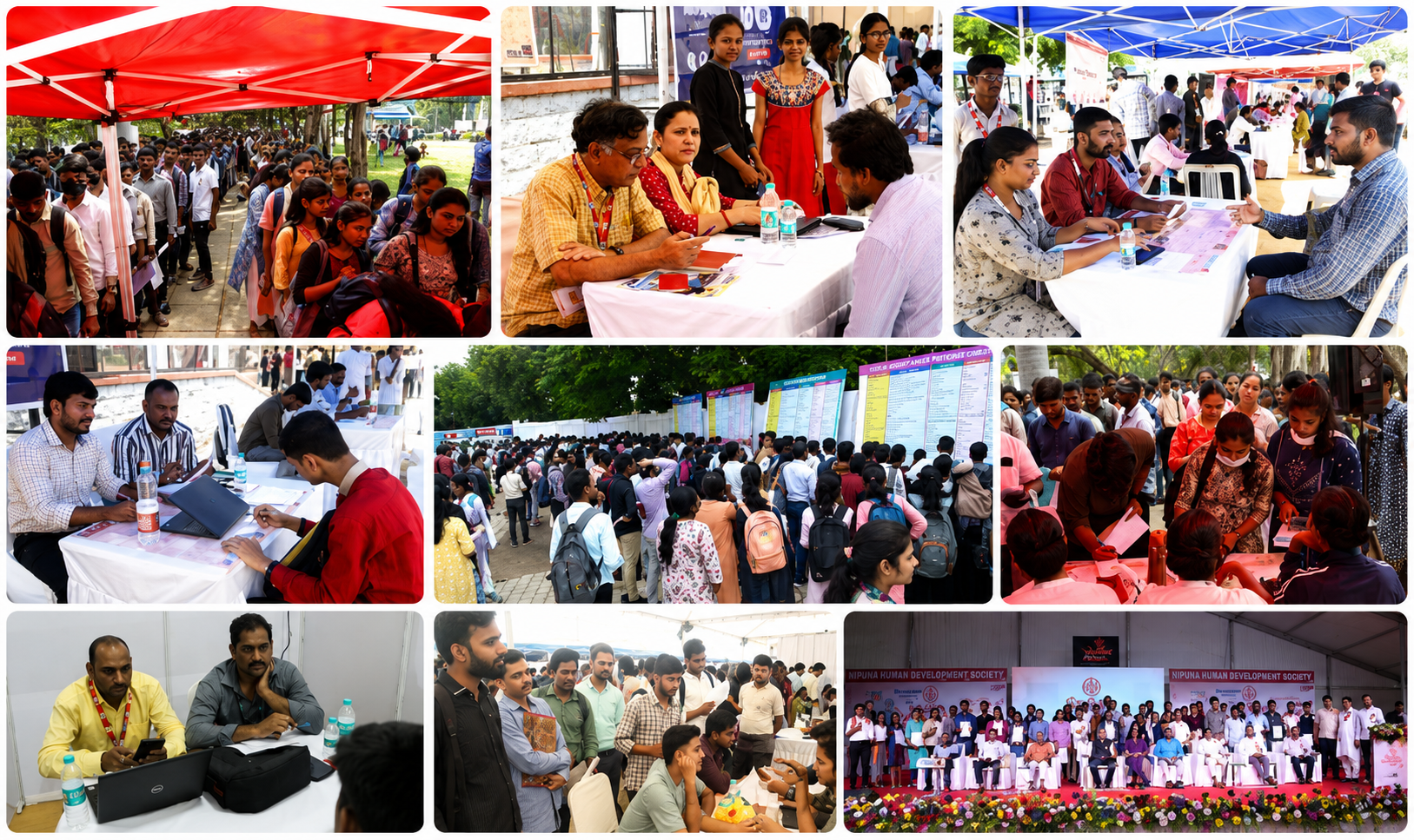
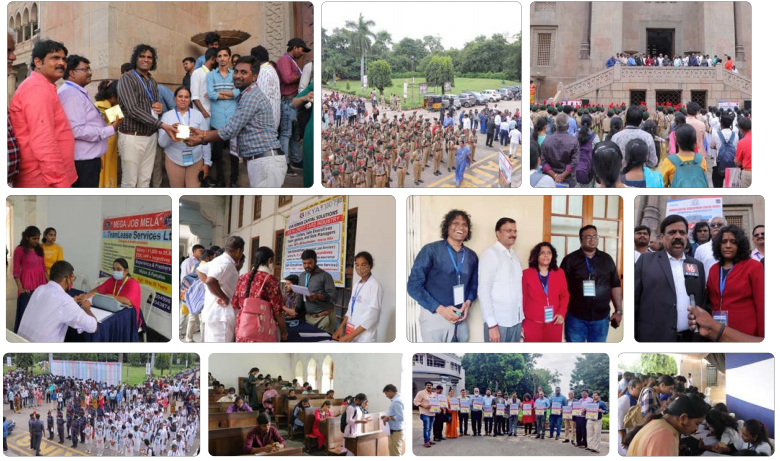
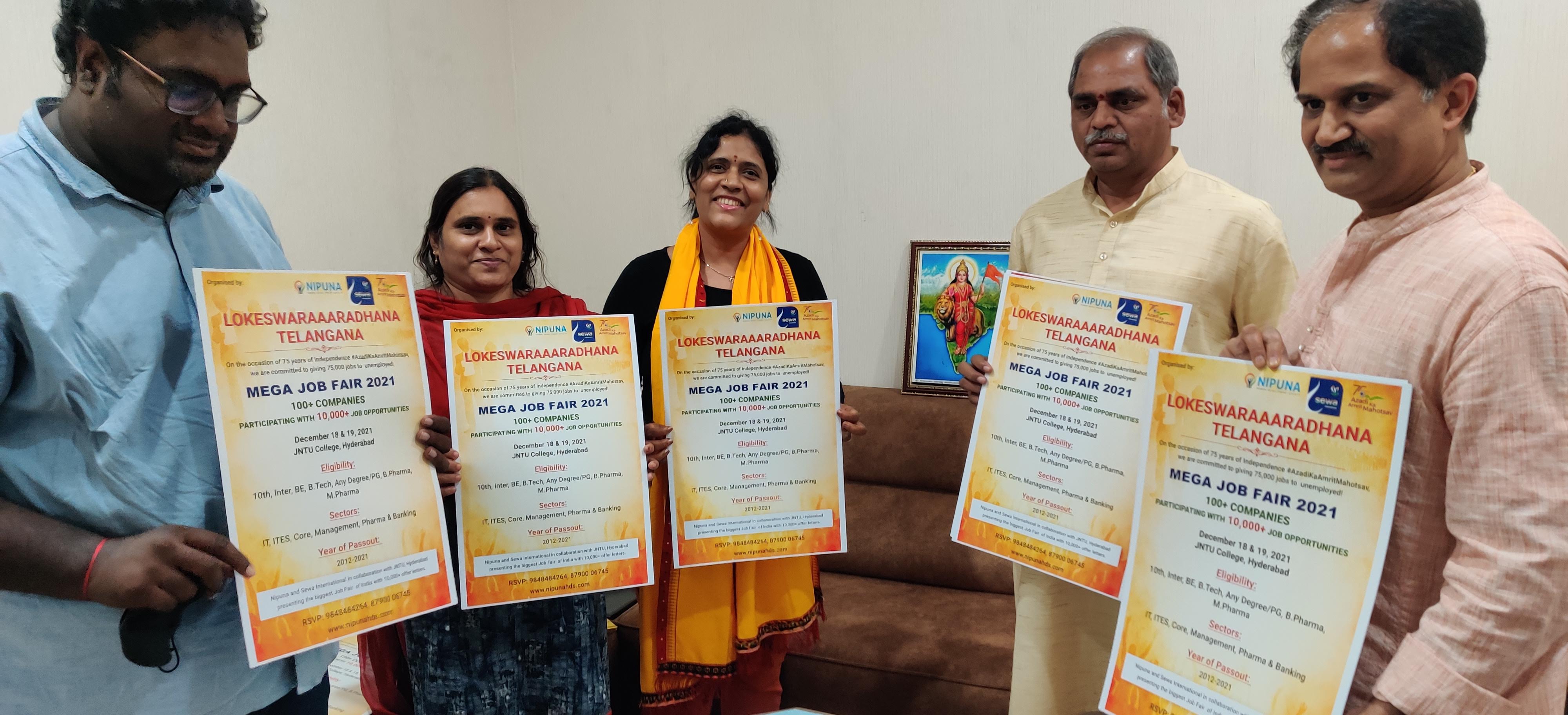
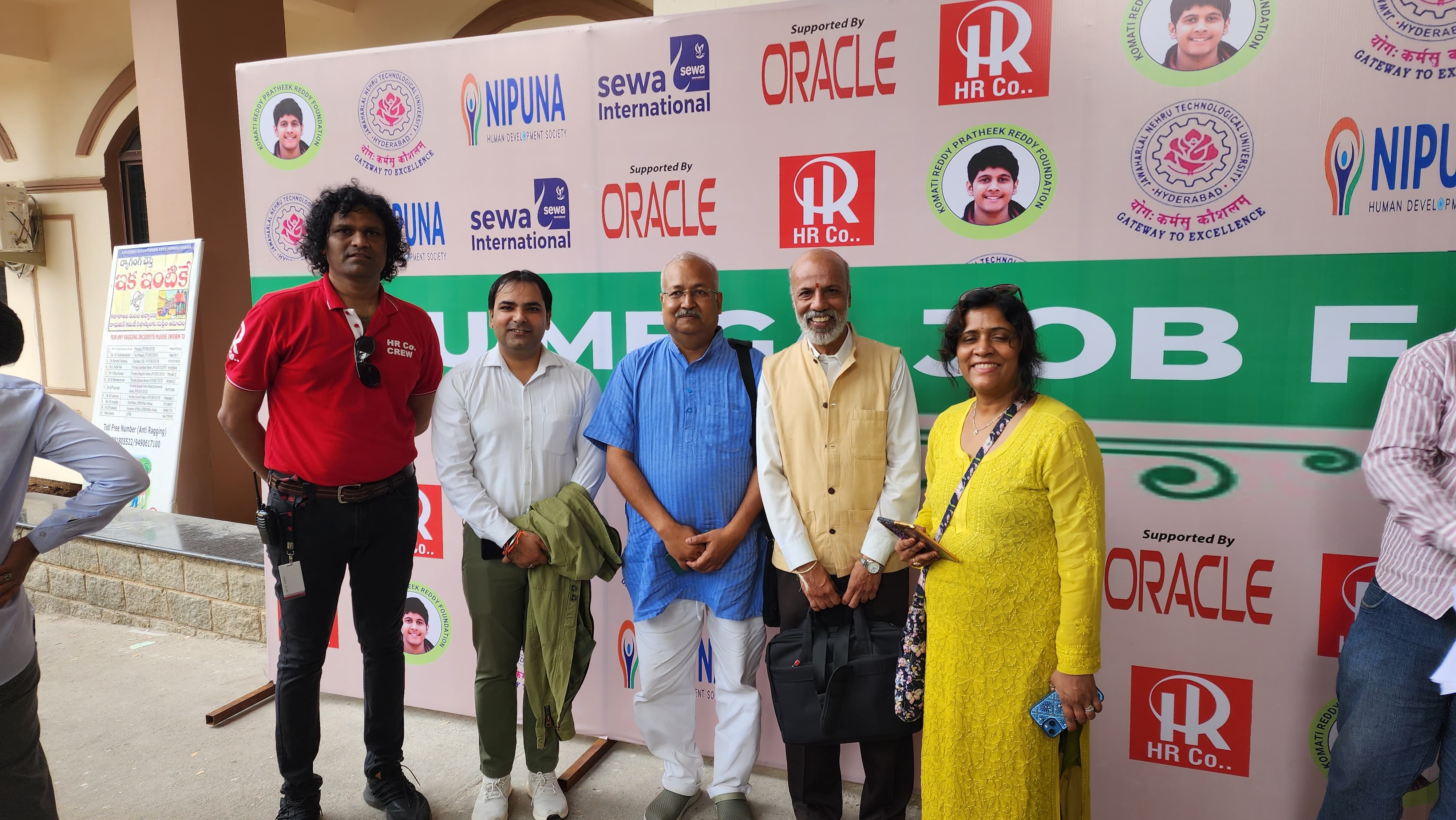
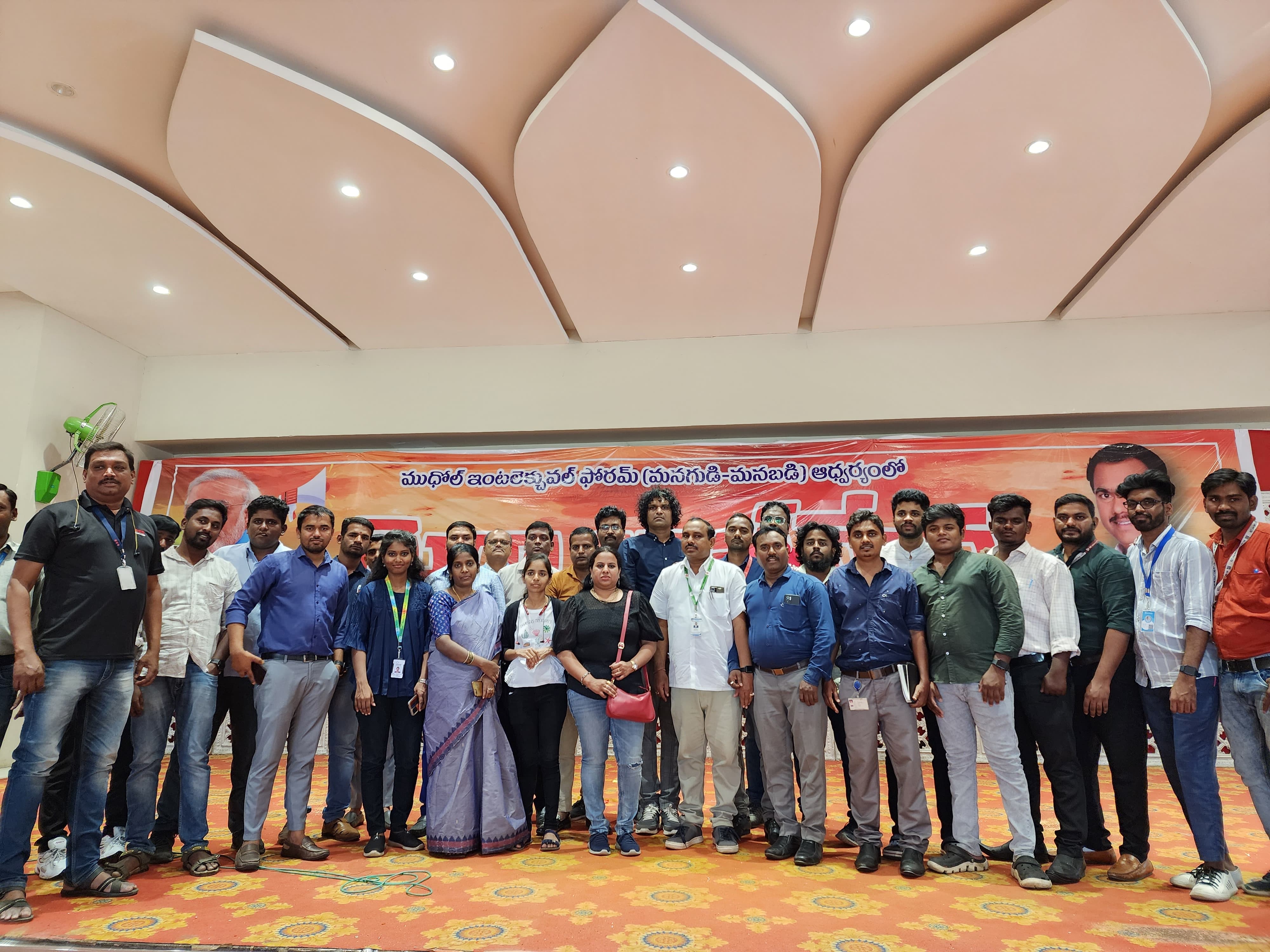
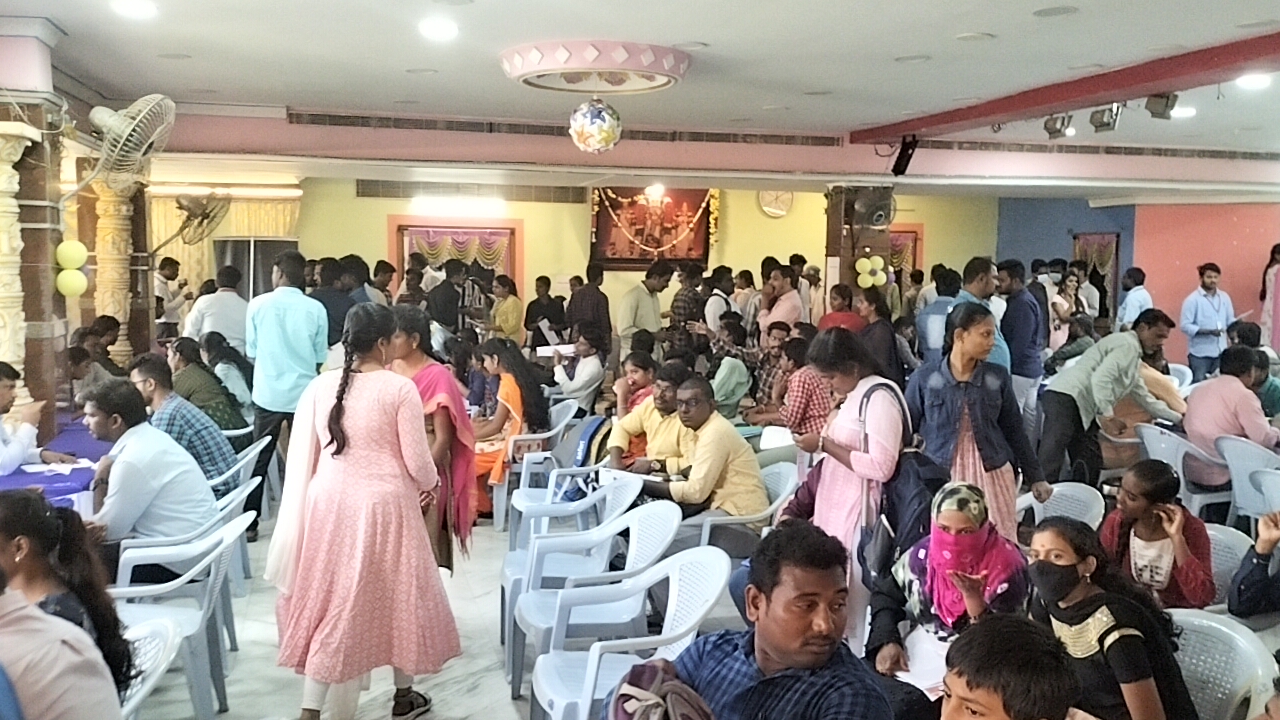
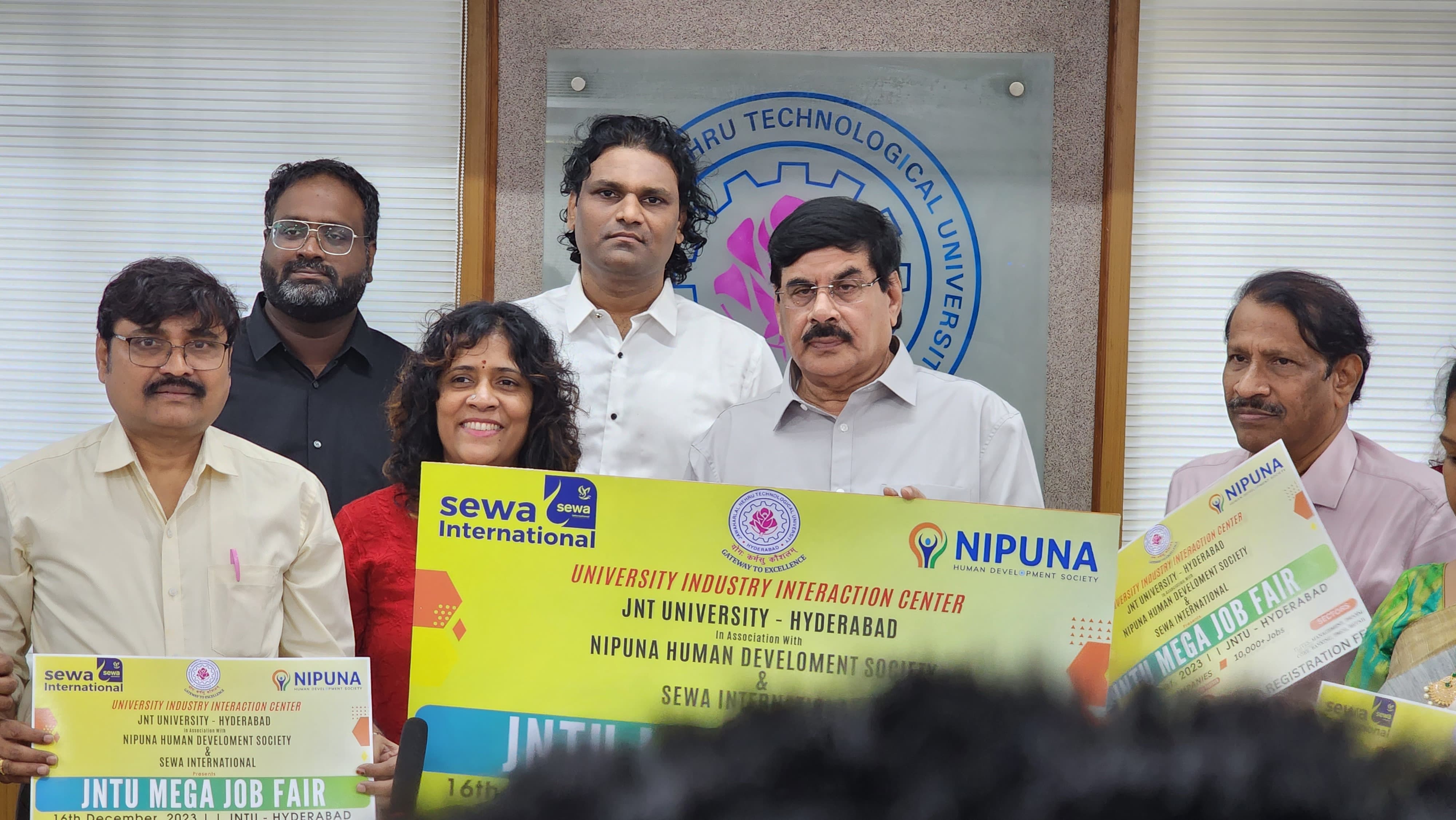
Starting from December 2021, we have organized a series of large-scale job fairs at Jawaharlal Nehru Technological University (JNTU), Hyderabad.
These events have become a vital employment platform for thousands of job seekers, especially fresh graduates and young professionals across Telangana and neighboring states.
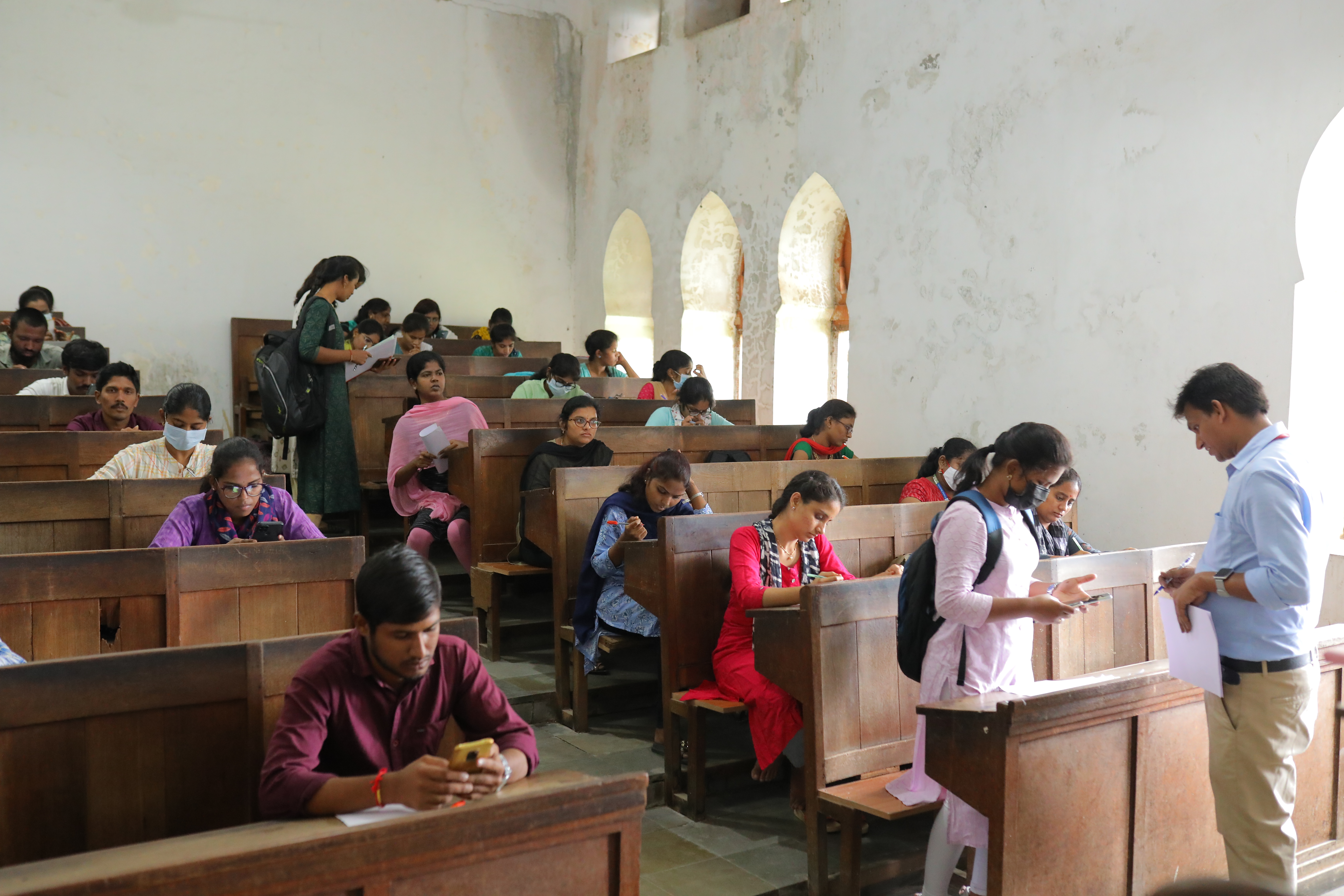
Over the course of multiple drives, lakhs of candidates have actively participated, demonstrating the growing demand for employment opportunities and skill-based recruitment.
The impact of these job fairs has been substantial, with more than 1.2 lakh candidates successfully placed in various sectors including information technology, manufacturing, healthcare, retail, and customer service.
These fairs have attracted participation from hundreds of reputed companies, enabling direct engagement between employers and prospective employees.
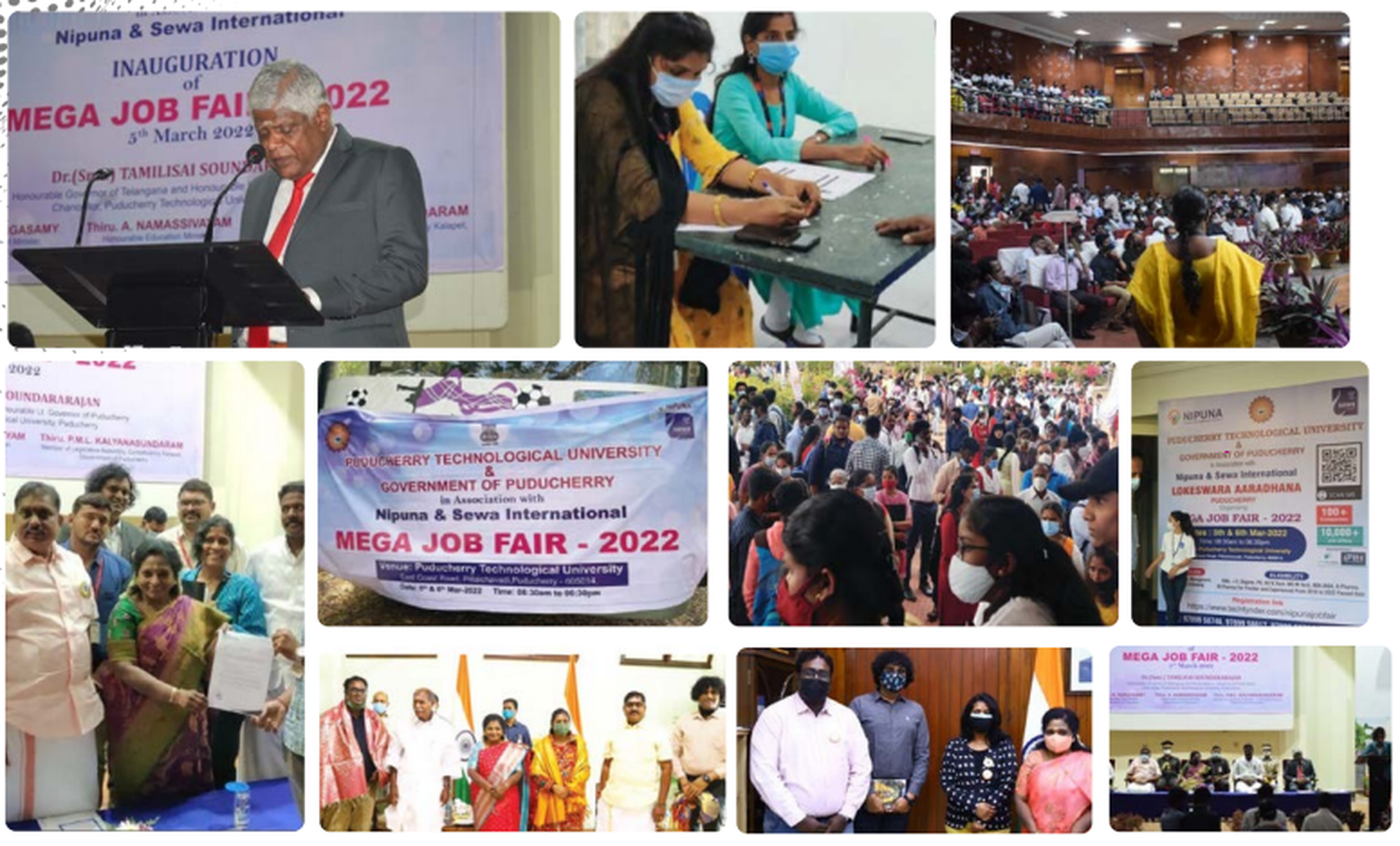
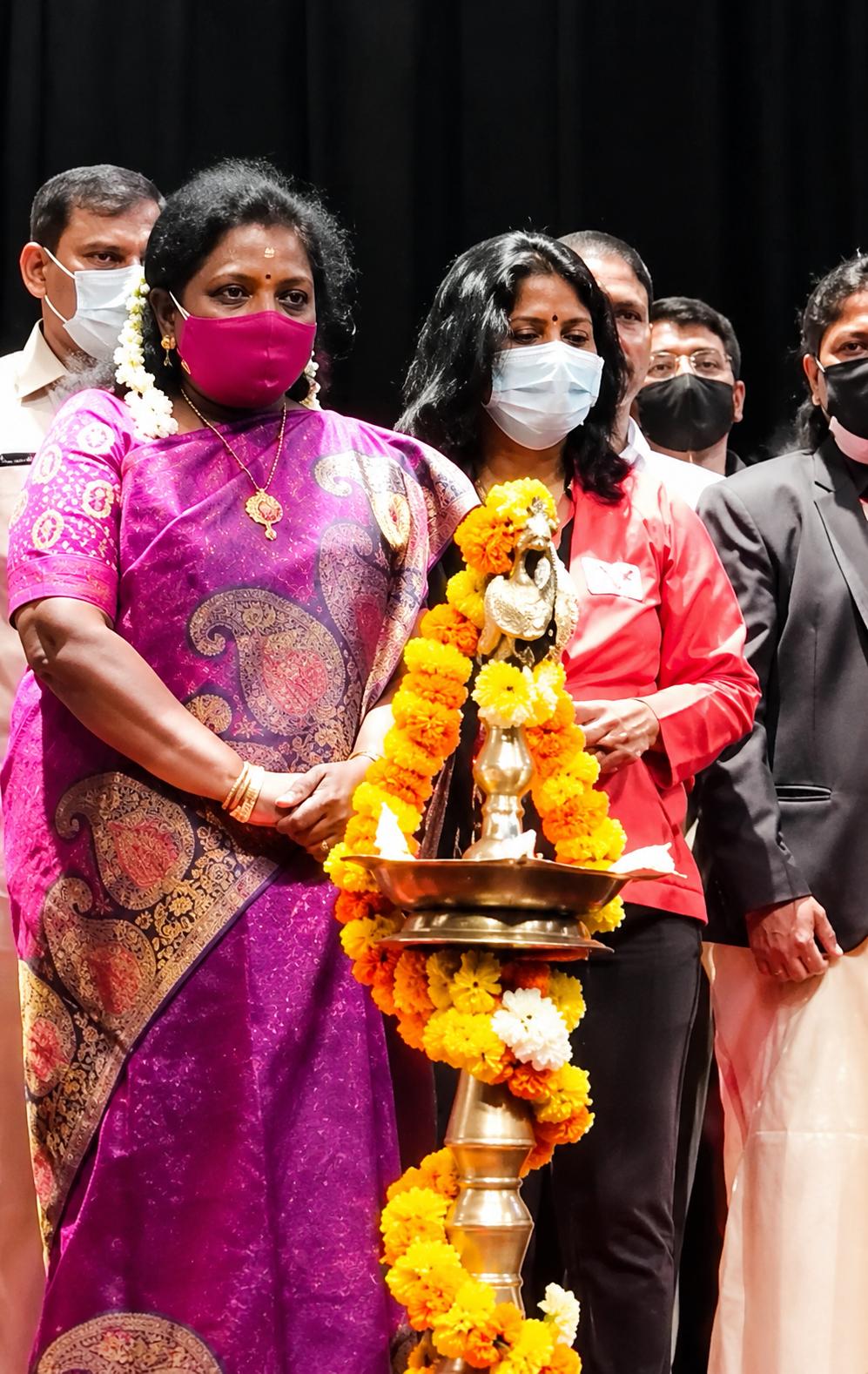
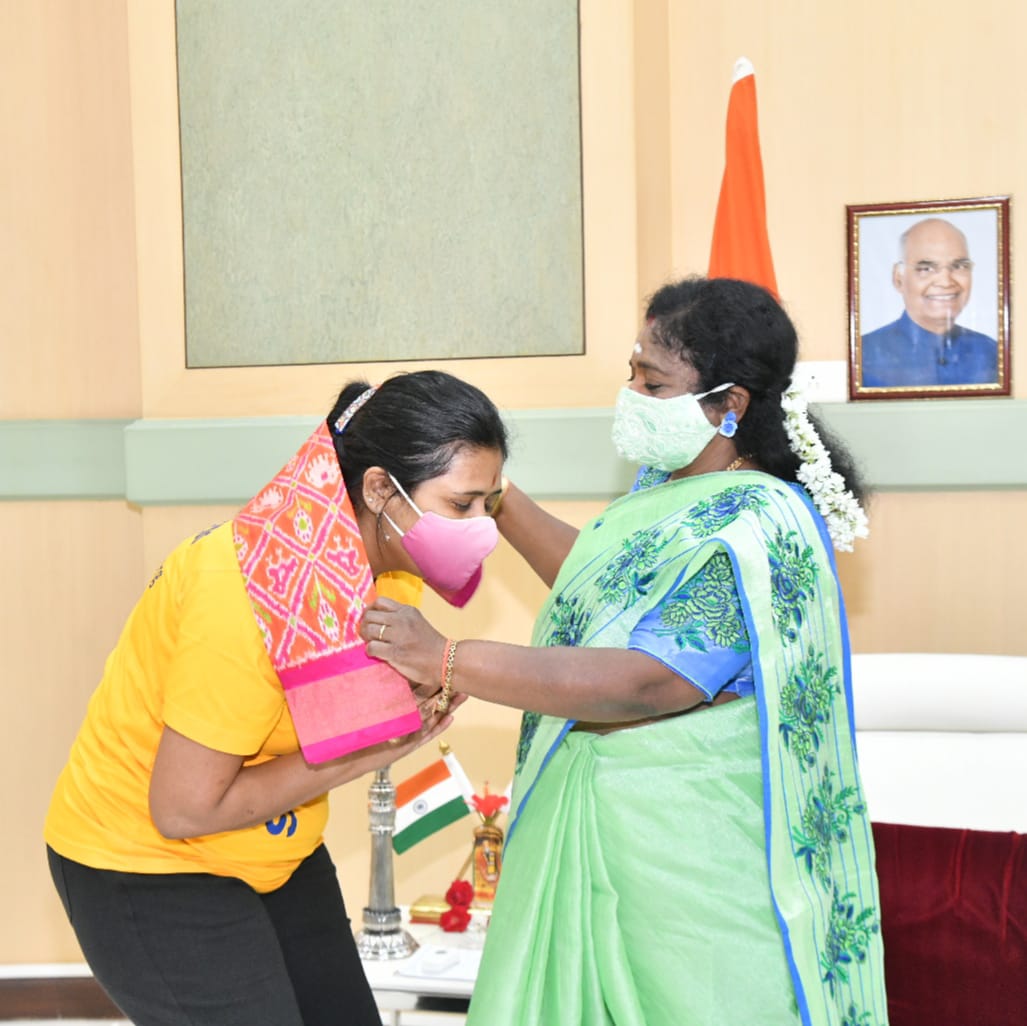
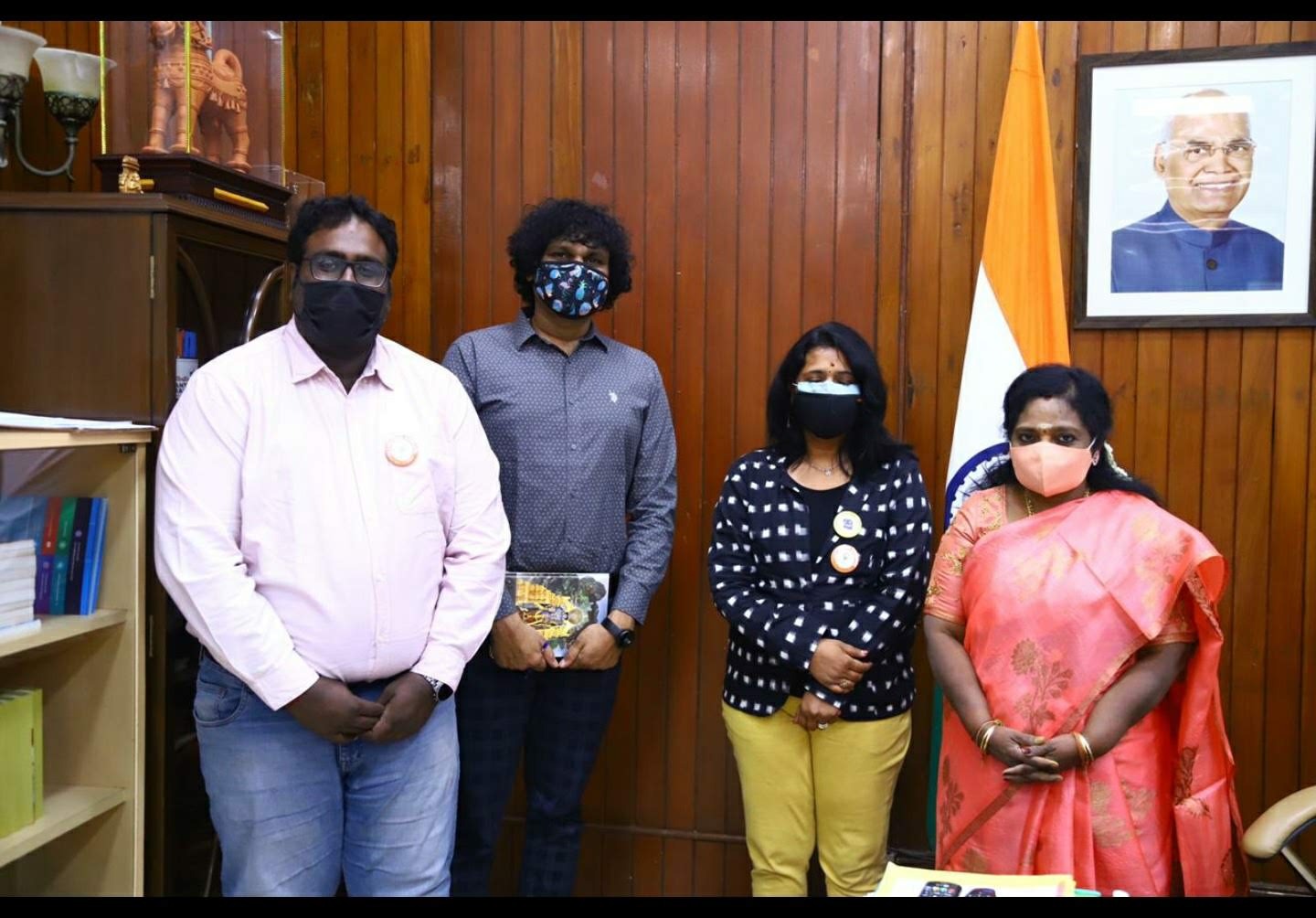
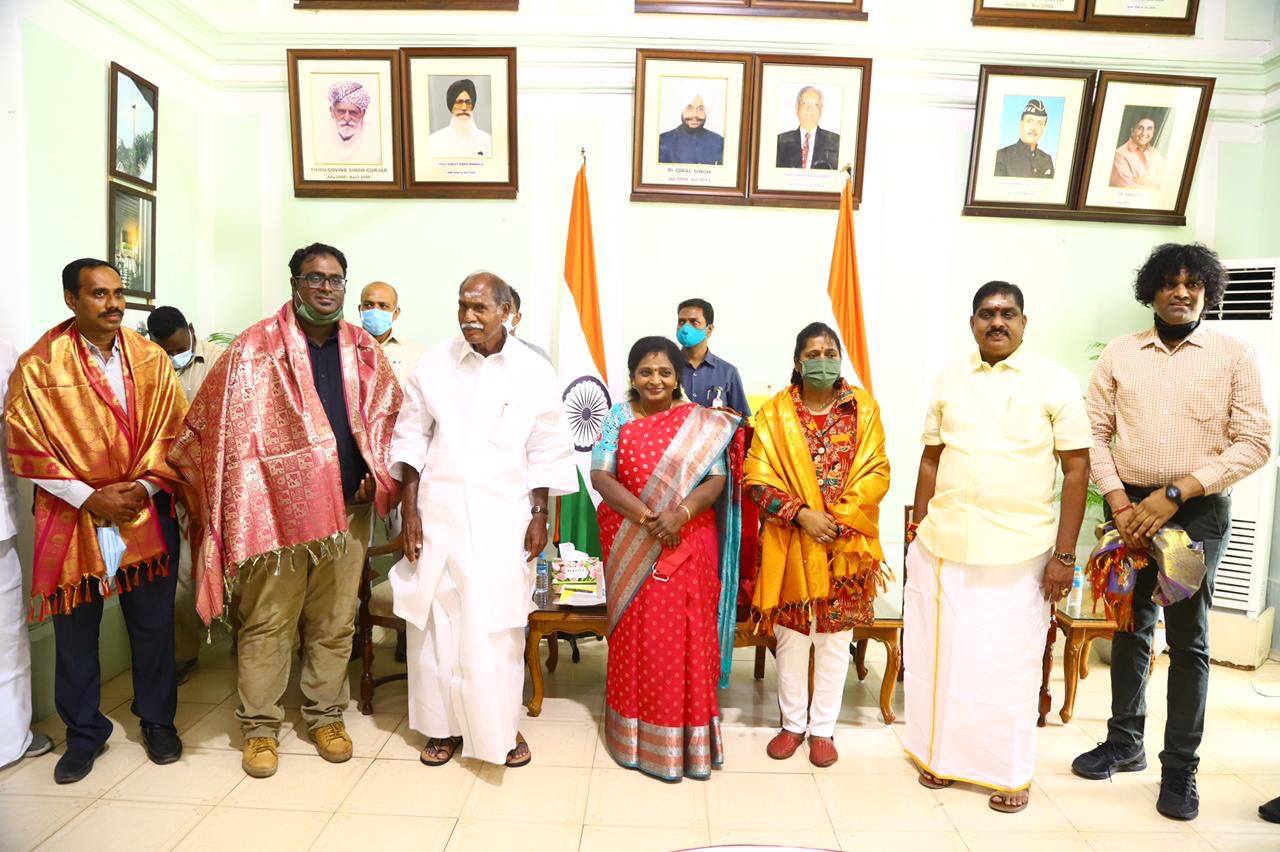
Following the resounding success of the JNTU Job Fair in December 2021, the then Hon'ble Governor of Telangana and Lt. Governor of Puducherry, Smt. Dr. Tamilisai Soundararajan, requested Nipuna to organise a similar employment initiative in Puducherry.
This marked Nipuna's first job fair outside Telangana, setting a milestone in its journey to expand employment opportunities across India.
The Puducherry Mega Job Fair witnessed enthusiastic participation, with 106 companies from various sectors coming together to recruit fresh talent.
A total of 15,291 candidates attended the fair, out of which 2,921 candidates secured employment across industries such as IT, healthcare, retail, manufacturing and services.
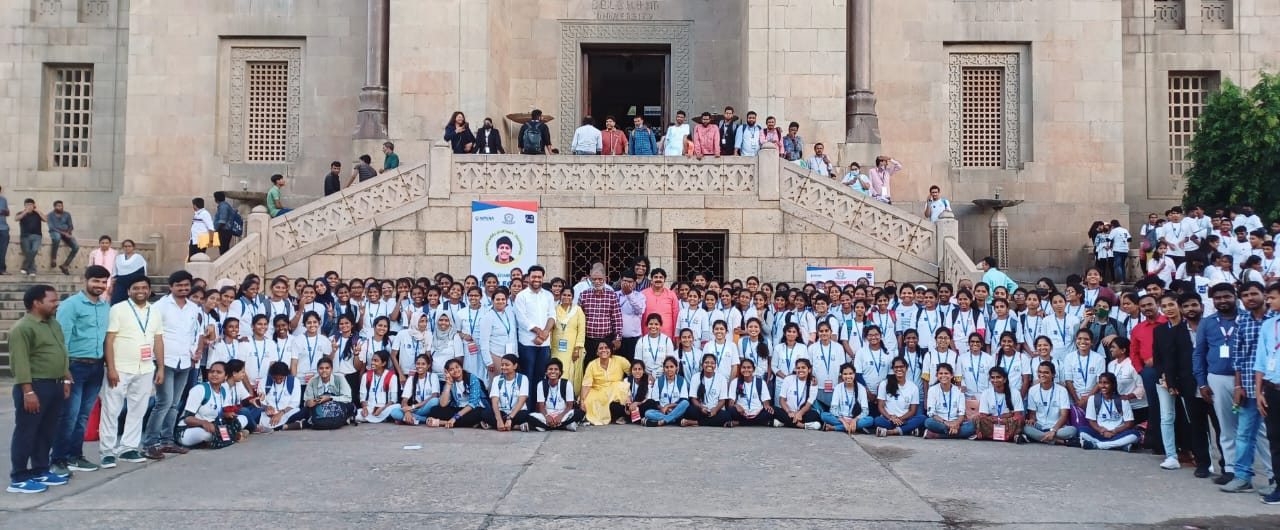
The Job Fair organized at Osmania University stands out as a landmark event in the institution's history. It witnessed an unprecedented turnout, with over 55,000 job seekers from diverse academic and professional backgrounds participating.
The event proved to be highly impactful, resulting in more than 15,000 successful placements across IT, healthcare, finance, retail and manufacturing.
Numerous national and regional companies took part, offering roles suitable for freshers, semi-skilled, and experienced candidates.
This job fair not only showcased Osmania University as a hub for talent and opportunity but demonstrated the effectiveness of large-scale employment drives in bridging the gap between industry and job seekers.
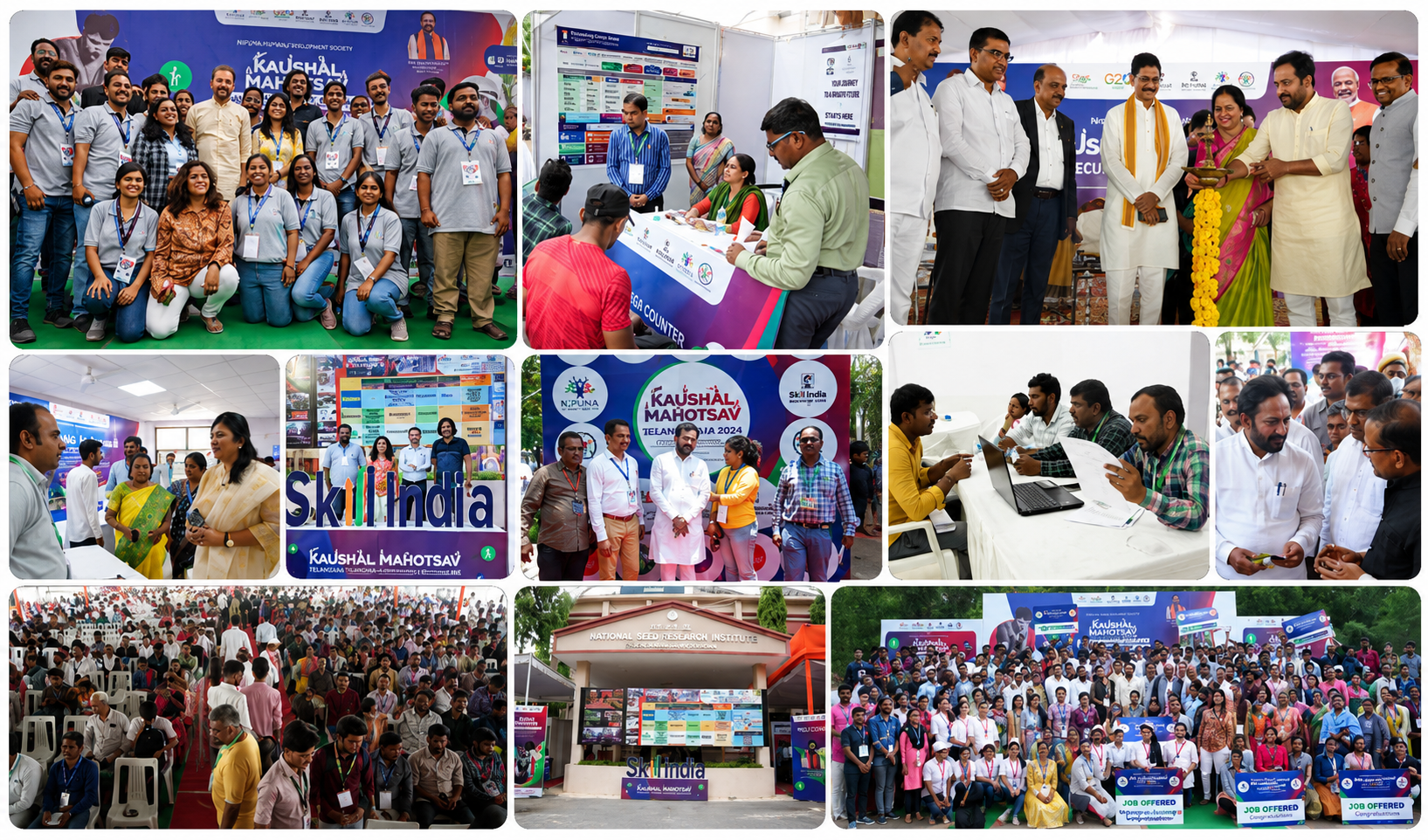
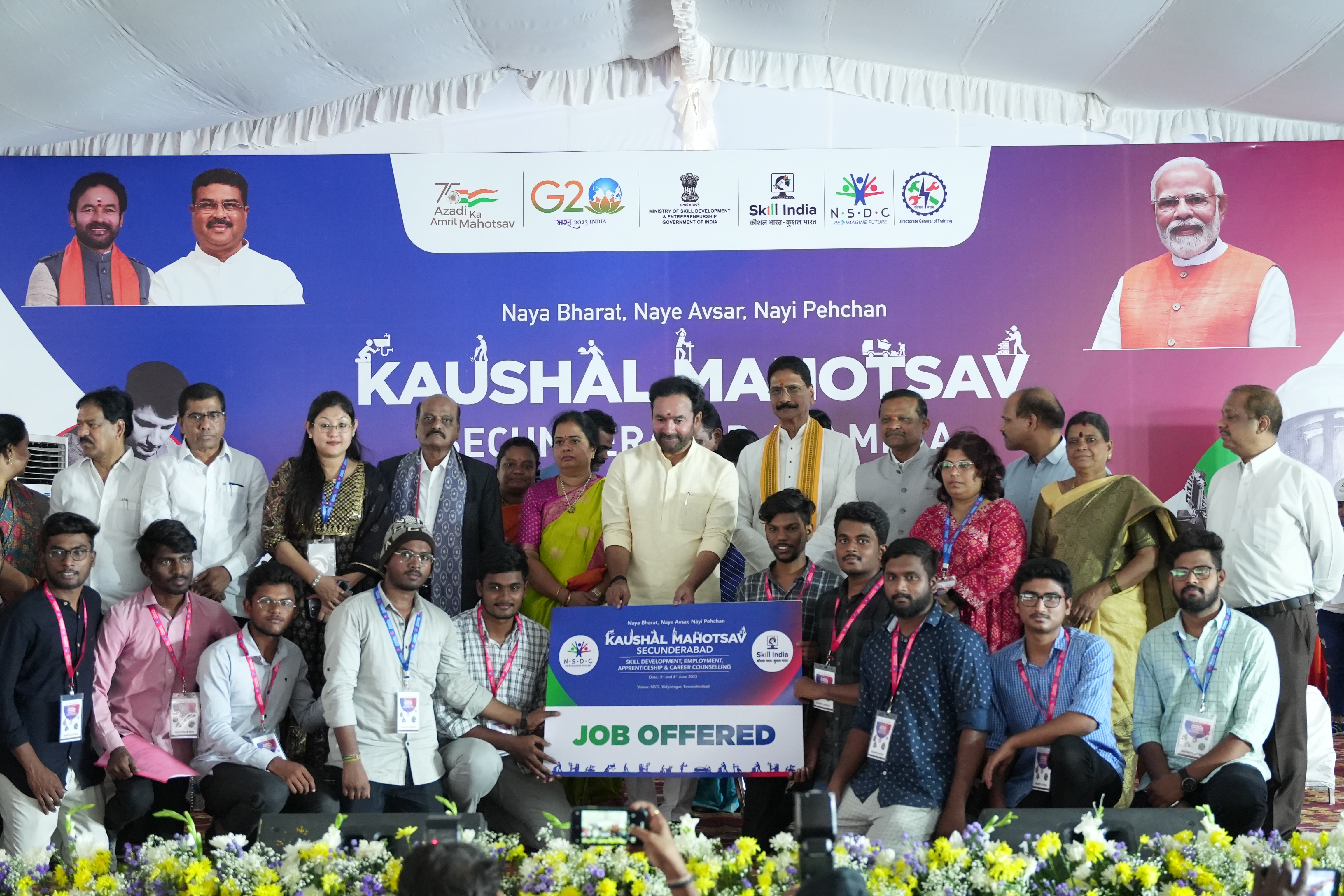
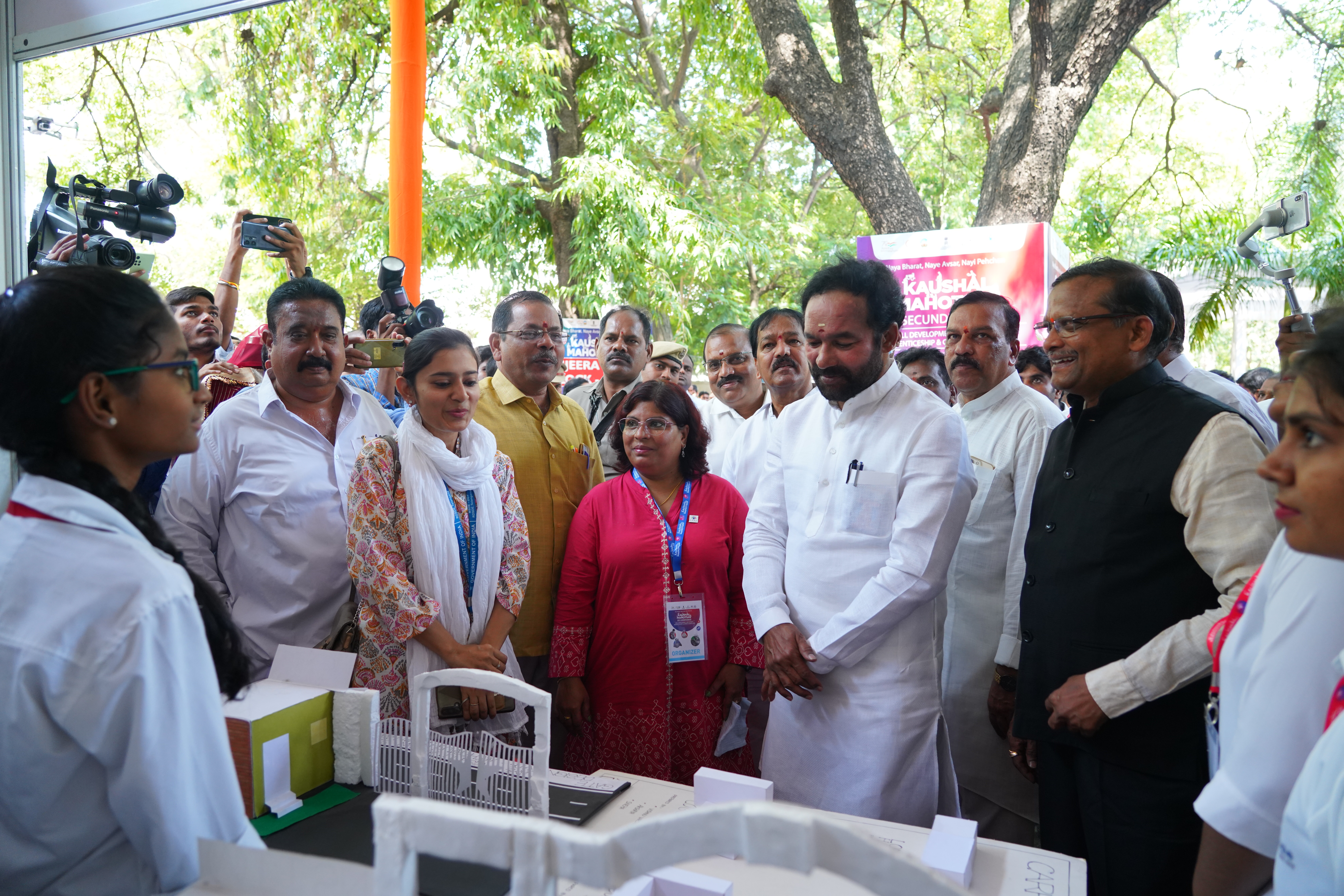
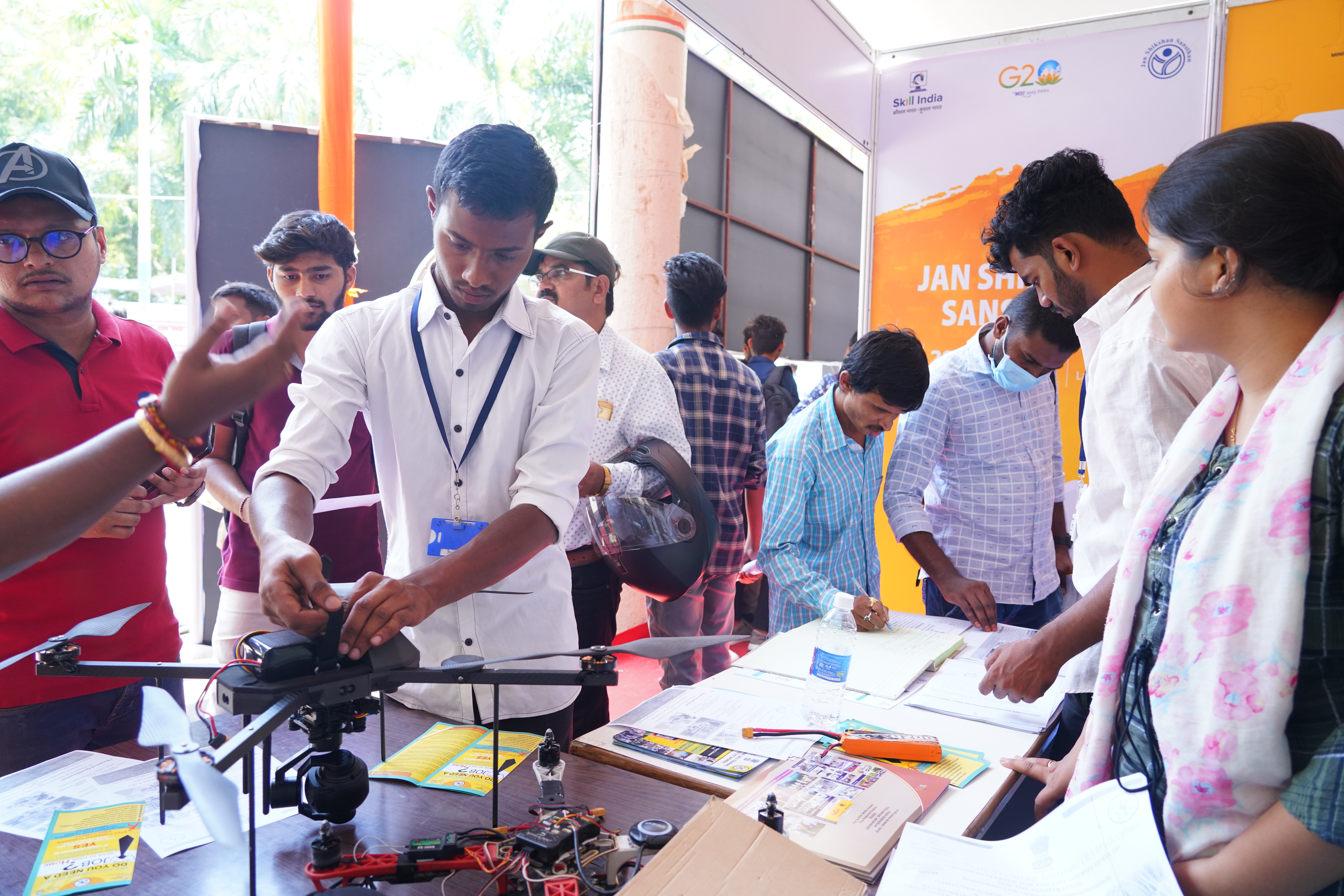
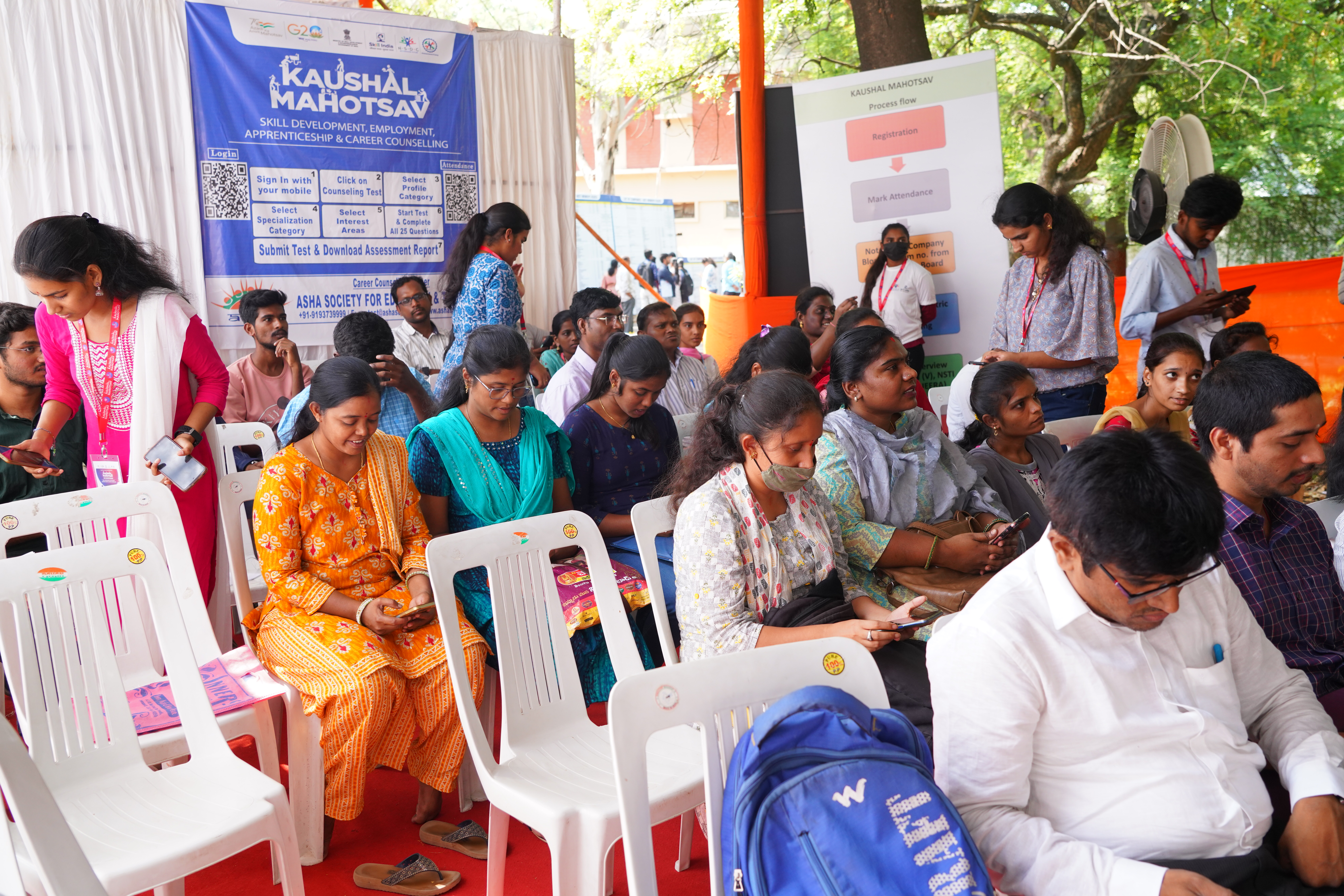
The Kaushal Mahotsav held in Telangana was a significant employment and skill development event organized in collaboration with the National Skill Development Corporation (NSDC).
The event was conducted under the guidance of Hon'ble Union Minister Shri G. Kishan Reddy, reflecting a strong commitment to youth empowerment and workforce development.
Through focused efforts and efficient coordination, the Kaushal Mahotsav successfully facilitated employment for over 2,500 candidates across IT, healthcare, manufacturing, logistics and retail.
Alongside job placements, the event featured career counselling, skill assessments and awareness sessions about government-led training programmes.
District-level MEPMA job fair focused on local youth, SHG family members and entry-level employment opportunities.
District-level MEPMA job fair focused on local youth, SHG family members and entry-level employment opportunities. The objective of this job fair is to bring employment opportunities closer to candidates and support them with proper registration, counselling, interview coordination and post-selection follow-up.
Nipuna HDS supports the field execution by coordinating with MEPMA teams, local communities, candidates, volunteers and hiring partners. Companies get organized candidate flow, while job seekers receive direct access to employment opportunities.
Eluru Job Fair
Eluru Job Fair
The Eluru job fair strengthens the MEPMA employment support model by connecting local youth with real hiring opportunities and improving livelihood access for families.
Large urban employment drive connecting candidates with companies from service, retail, logistics, healthcare and other sectors.
Large urban employment drive connecting candidates with companies from service, retail, logistics, healthcare and other sectors. The objective of this job fair is to bring employment opportunities closer to candidates and support them with proper registration, counselling, interview coordination and post-selection follow-up.
Nipuna HDS supports the field execution by coordinating with MEPMA teams, local communities, candidates, volunteers and hiring partners. Companies get organized candidate flow, while job seekers receive direct access to employment opportunities.
Vijayawada Job Fair
Vijayawada Job Fair
The Vijayawada job fair strengthens the MEPMA employment support model by connecting local youth with real hiring opportunities and improving livelihood access for families.
Community-focused job fair for local candidates, trained youth and low-income families seeking stable livelihood opportunities.
Community-focused job fair for local candidates, trained youth and low-income families seeking stable livelihood opportunities. The objective of this job fair is to bring employment opportunities closer to candidates and support them with proper registration, counselling, interview coordination and post-selection follow-up.
Nipuna HDS supports the field execution by coordinating with MEPMA teams, local communities, candidates, volunteers and hiring partners. Companies get organized candidate flow, while job seekers receive direct access to employment opportunities.
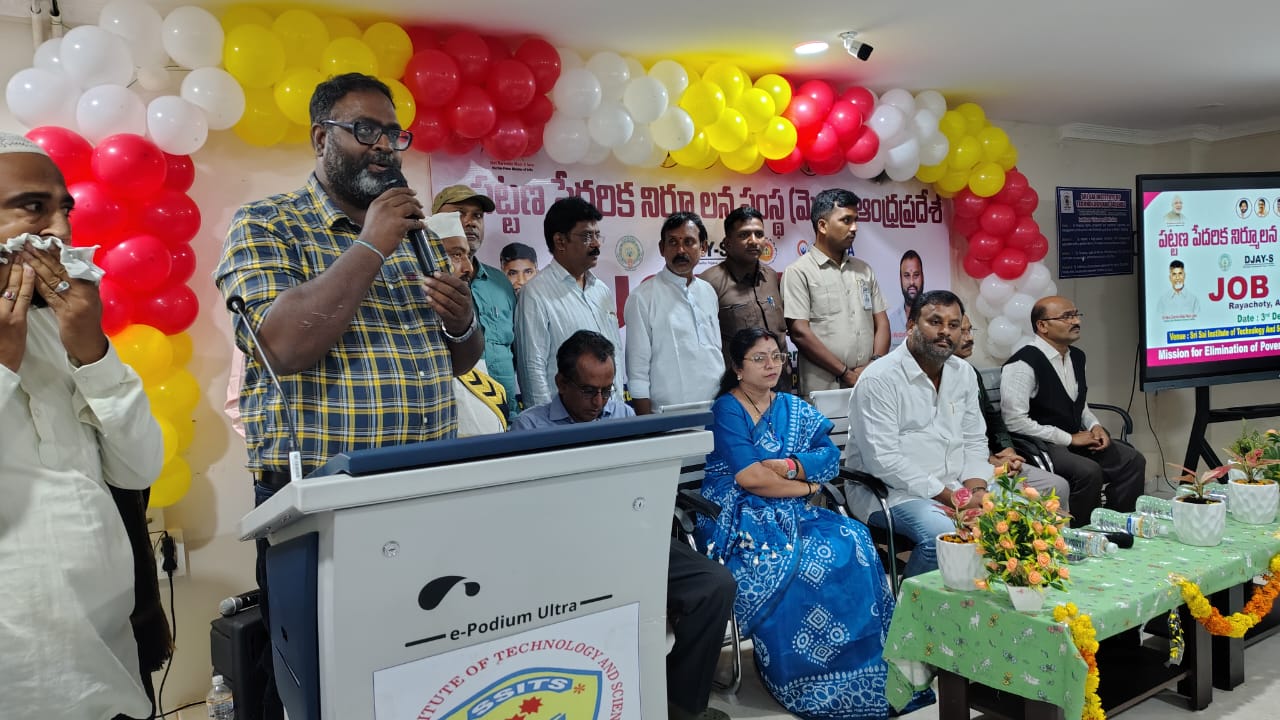
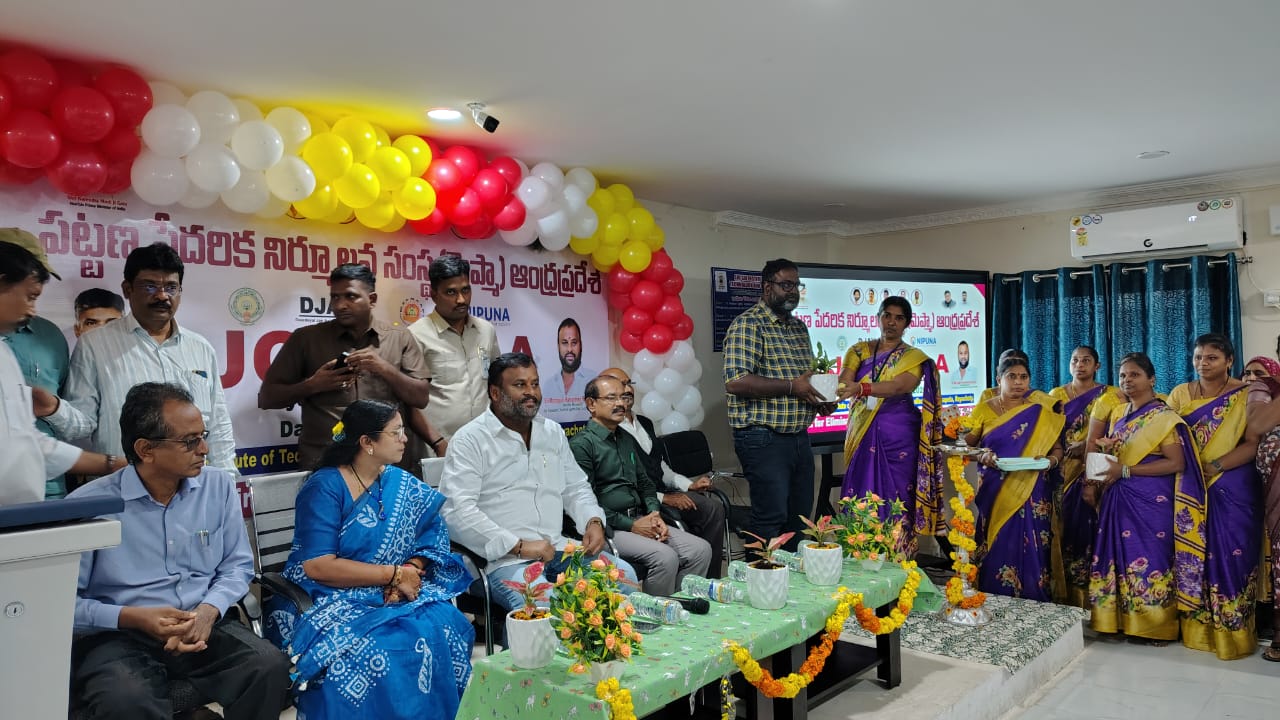
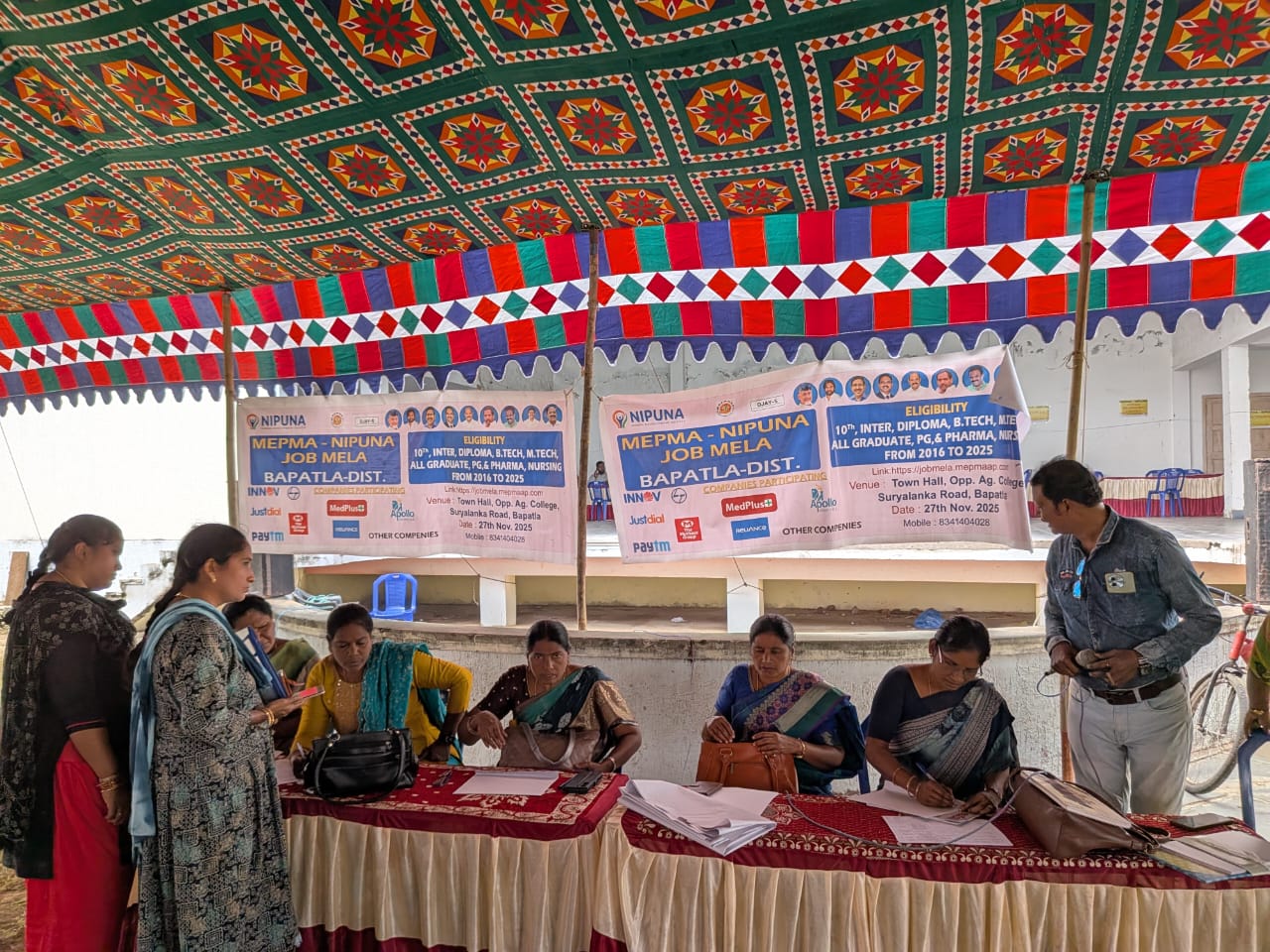
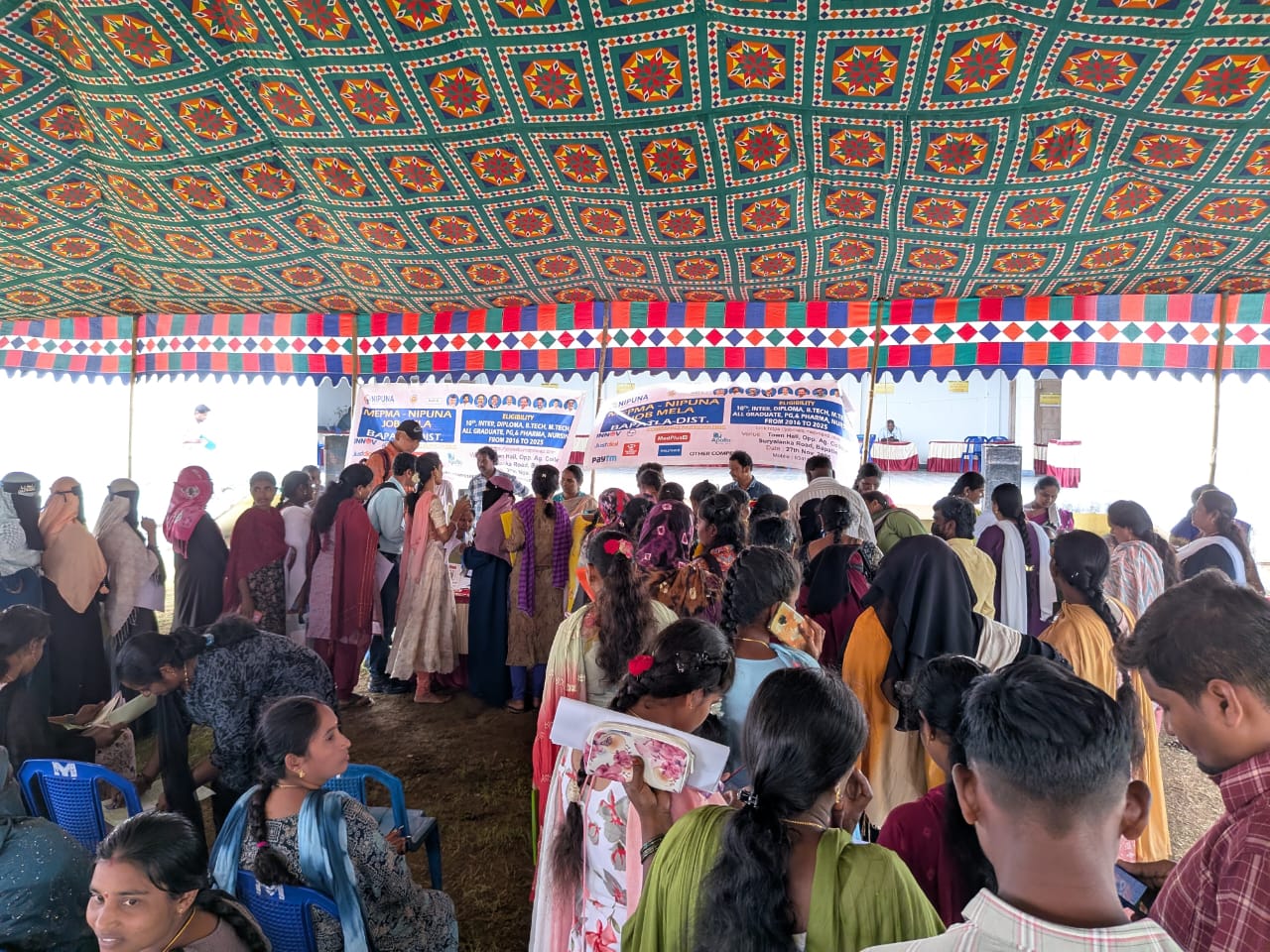
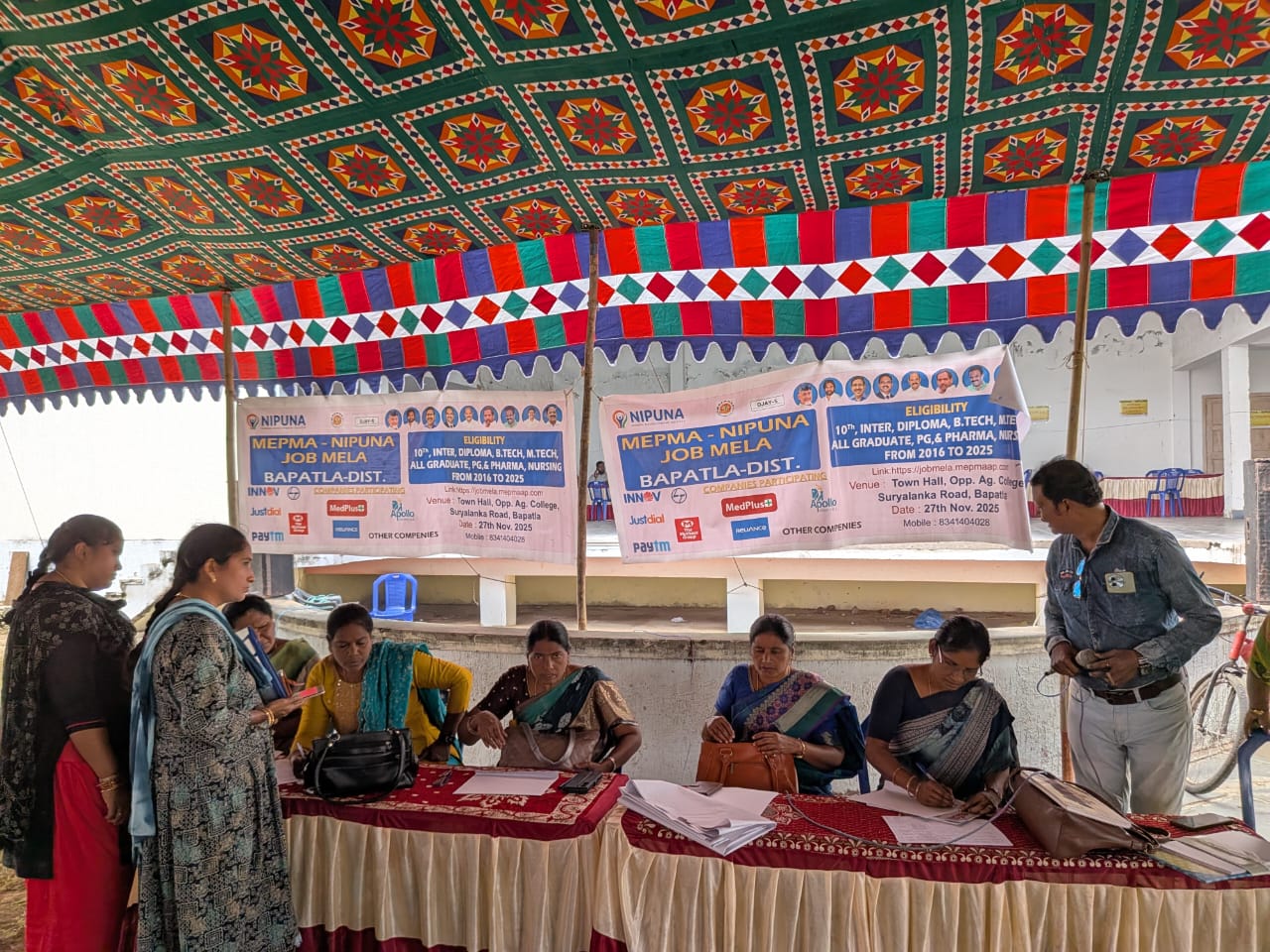
Bapatla Job Fair
Bapatla Job Fair
The Bapatla job fair strengthens the MEPMA employment support model by connecting local youth with real hiring opportunities and improving livelihood access for families.
Regional employment support event connecting job seekers with companies through registration, counselling and interviews.
Regional employment support event connecting job seekers with companies through registration, counselling and interviews. The objective of this job fair is to bring employment opportunities closer to candidates and support them with proper registration, counselling, interview coordination and post-selection follow-up.
Nipuna HDS supports the field execution by coordinating with MEPMA teams, local communities, candidates, volunteers and hiring partners. Companies get organized candidate flow, while job seekers receive direct access to employment opportunities.
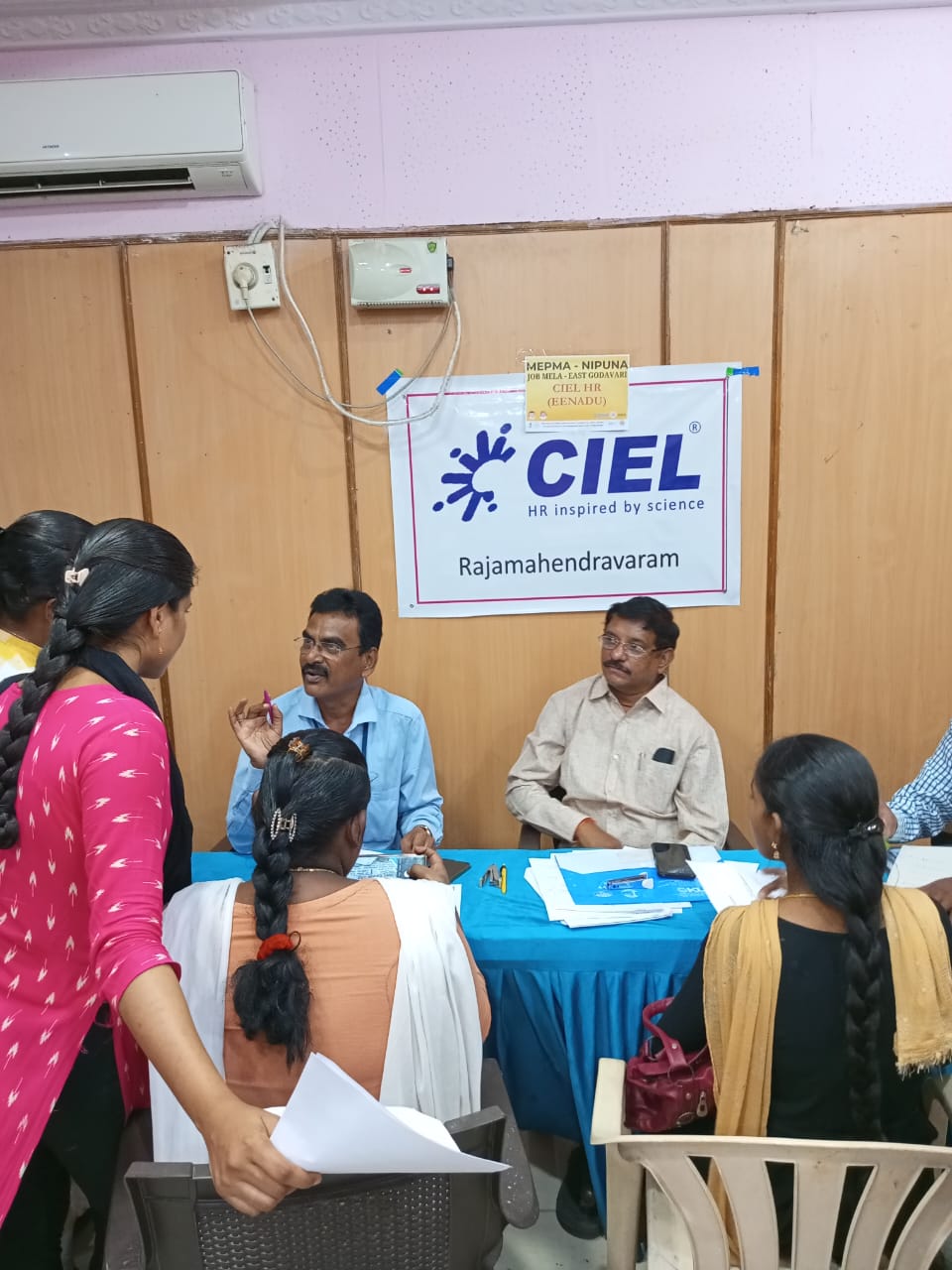
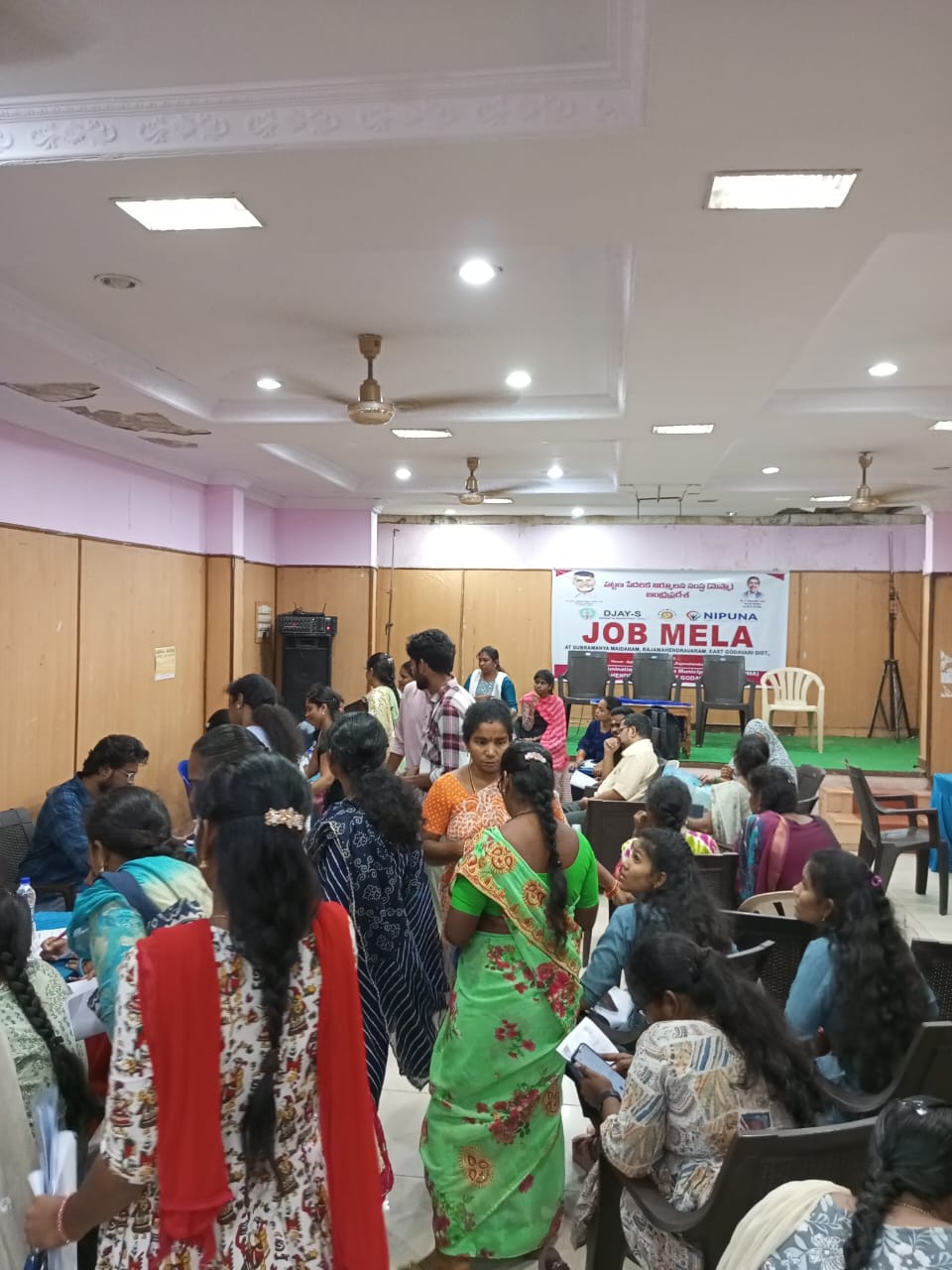
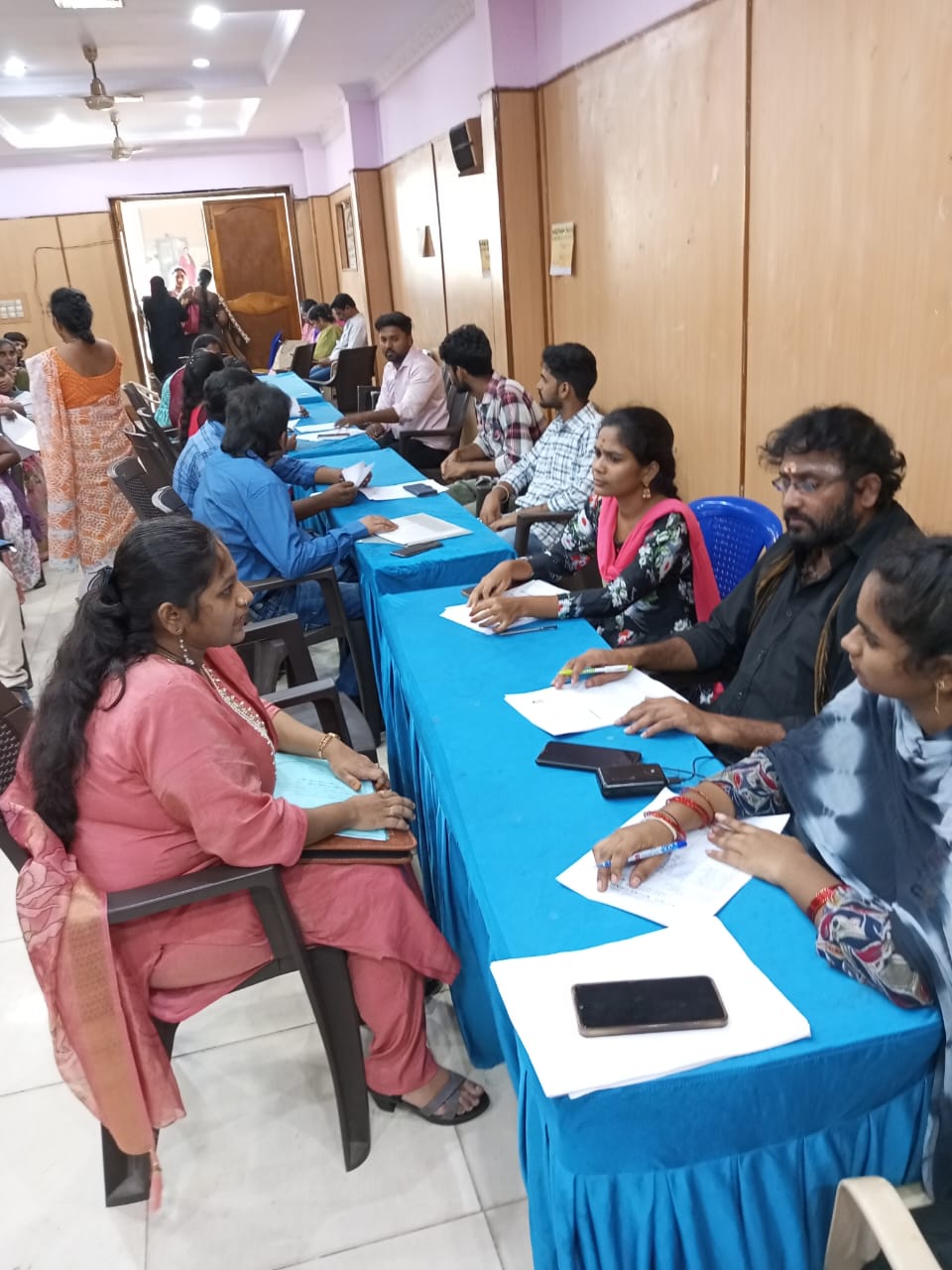
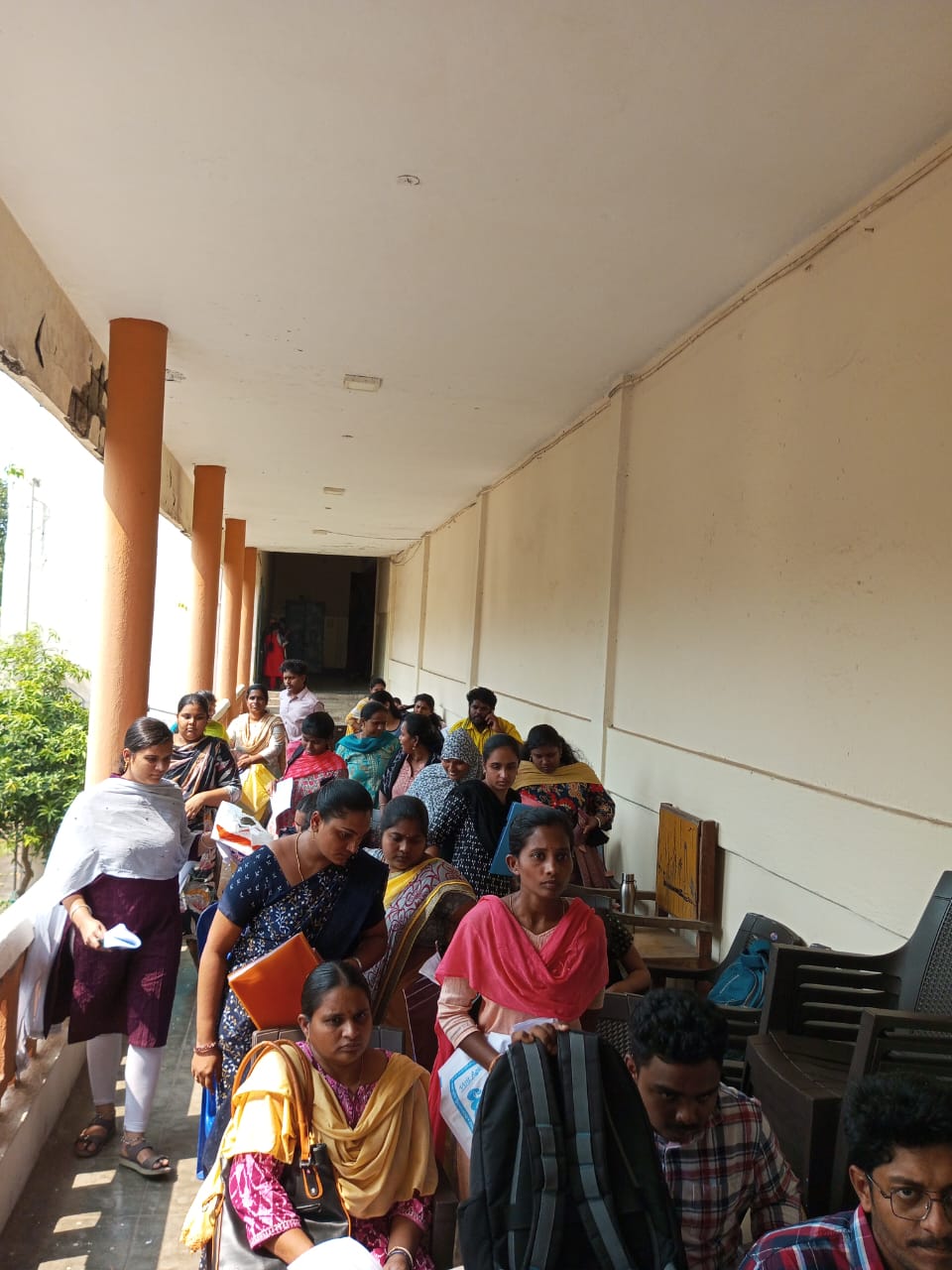
Rajamahendravaram Job Fair
The Rajamahendravaram job fair strengthens the MEPMA employment support model by connecting local youth with real hiring opportunities and improving livelihood access for families.
District-level job fair supporting youth from urban poor communities, SHGs and surrounding mandals.
District-level job fair supporting youth from urban poor communities, SHGs and surrounding mandals. The objective of this job fair is to bring employment opportunities closer to candidates and support them with proper registration, counselling, interview coordination and post-selection follow-up.
Nipuna HDS supports the field execution by coordinating with MEPMA teams, local communities, candidates, volunteers and hiring partners. Companies get organized candidate flow, while job seekers receive direct access to employment opportunities.
East Godavari Job Fair
The East Godavari job fair strengthens the MEPMA employment support model by connecting local youth with real hiring opportunities and improving livelihood access for families.
MEPMA employment drive supporting candidate mobilization, company participation, interviews and joining follow-up.
MEPMA employment drive supporting candidate mobilization, company participation, interviews and joining follow-up. The objective of this job fair is to bring employment opportunities closer to candidates and support them with proper registration, counselling, interview coordination and post-selection follow-up.
Nipuna HDS supports the field execution by coordinating with MEPMA teams, local communities, candidates, volunteers and hiring partners. Companies get organized candidate flow, while job seekers receive direct access to employment opportunities.
Guntur Job Fair
Guntur Job Fair
The Guntur job fair strengthens the MEPMA employment support model by connecting local youth with real hiring opportunities and improving livelihood access for families.
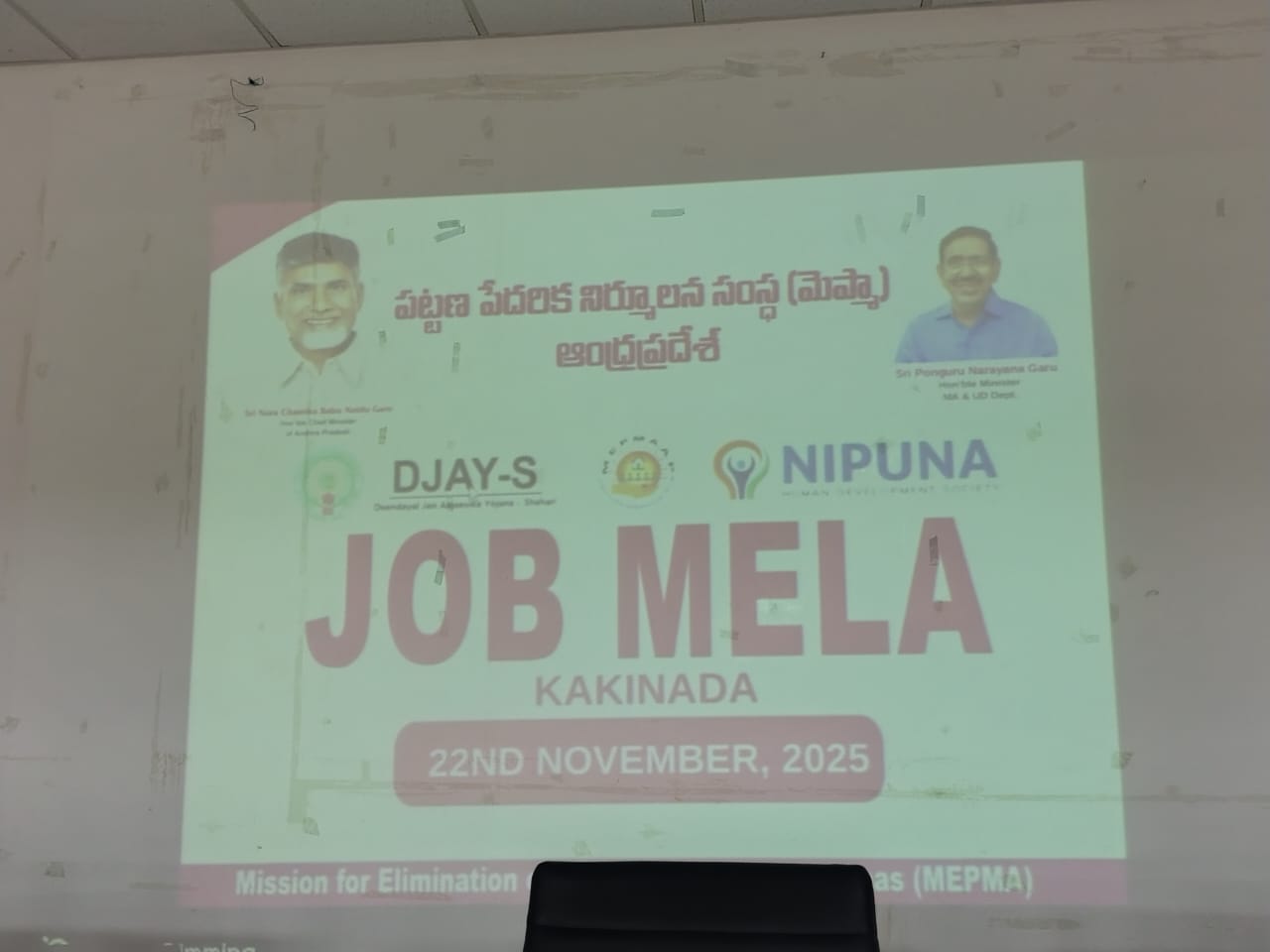
Job fair for coastal Andhra candidates with focus on organized employment, counselling and employer connect.
Job fair for coastal Andhra candidates with focus on organized employment, counselling and employer connect. The objective of this job fair is to bring employment opportunities closer to candidates and support them with proper registration, counselling, interview coordination and post-selection follow-up.
Nipuna HDS supports the field execution by coordinating with MEPMA teams, local communities, candidates, volunteers and hiring partners. Companies get organized candidate flow, while job seekers receive direct access to employment opportunities.
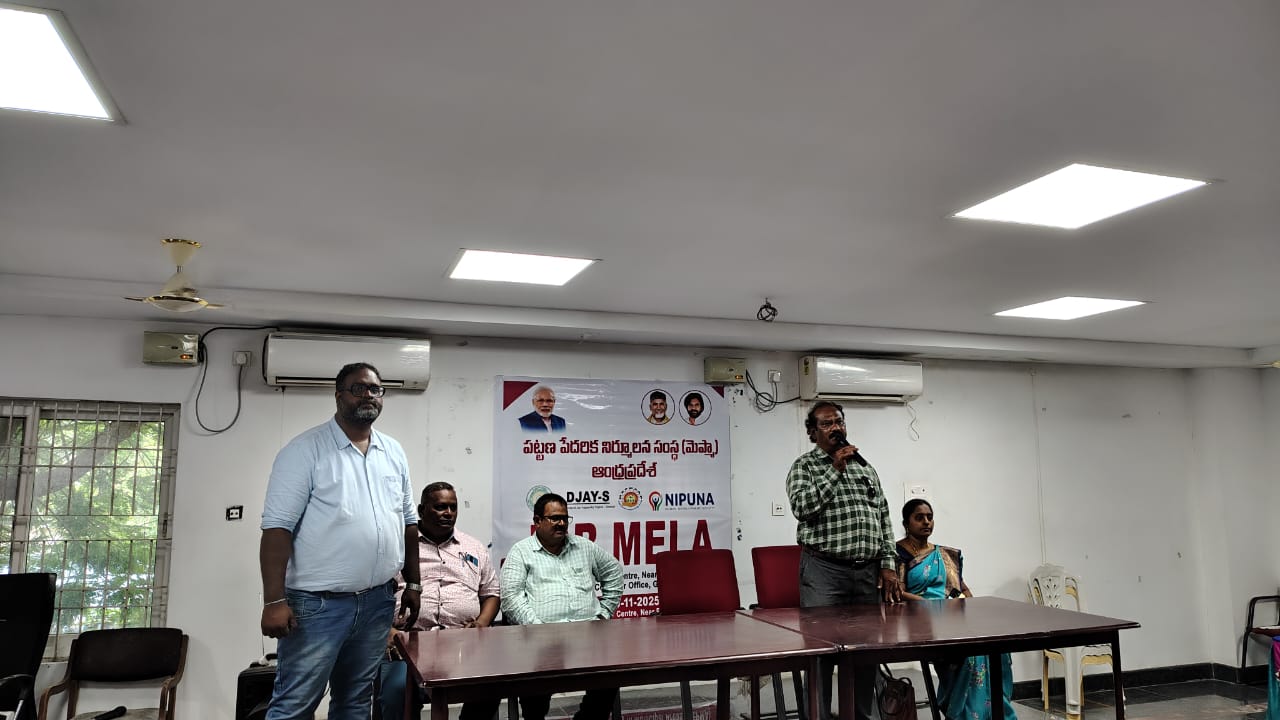
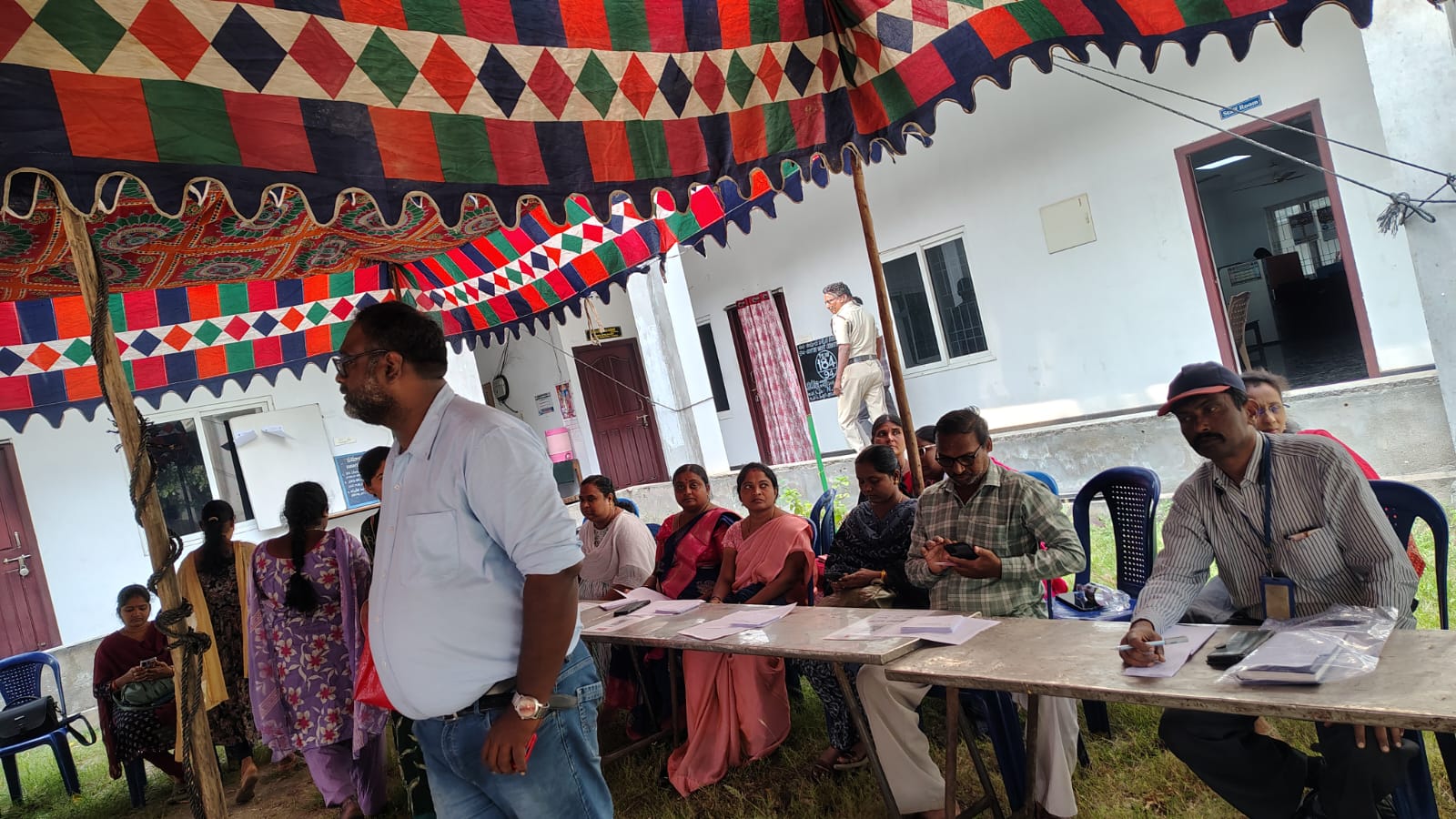
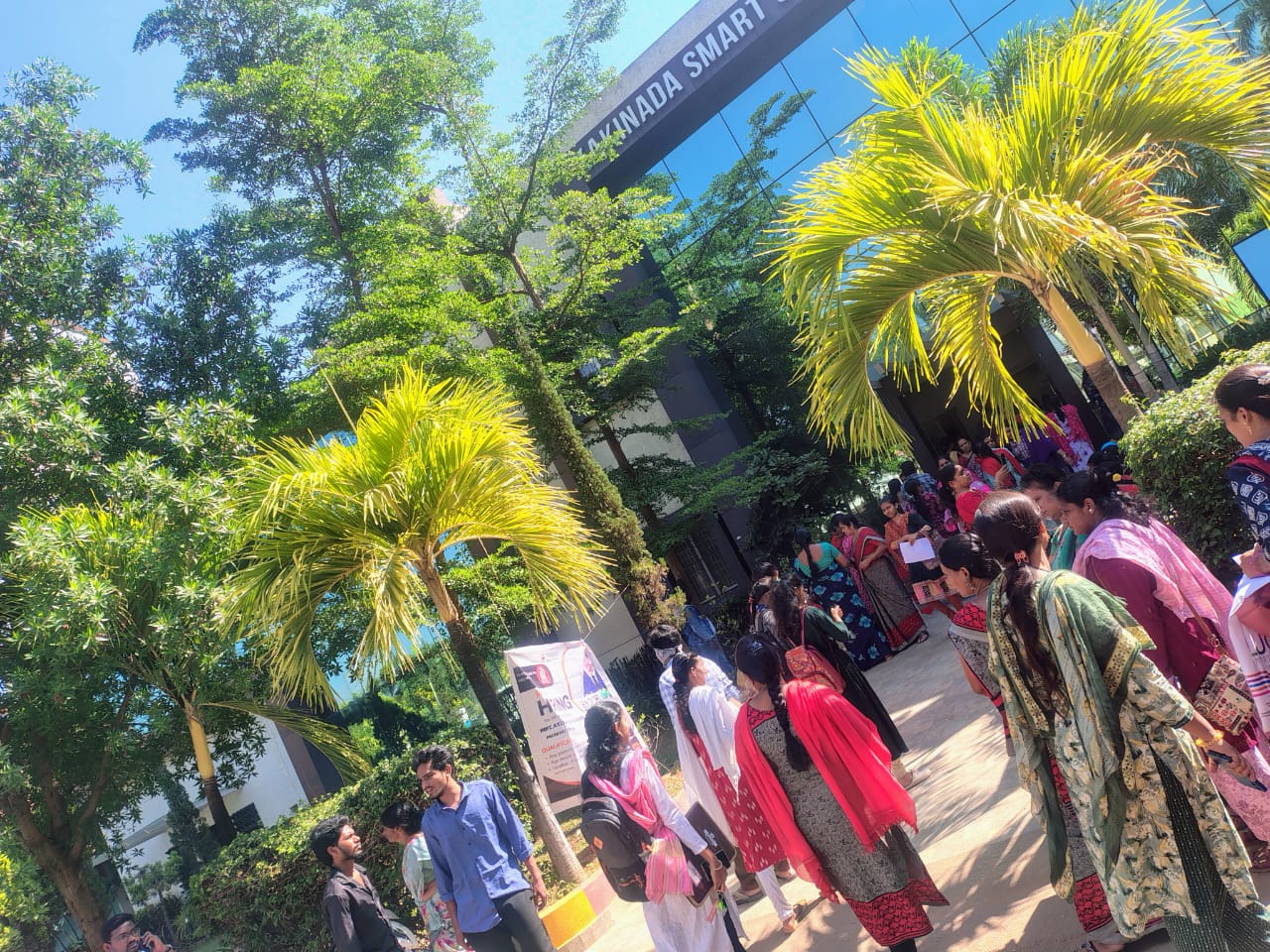
Kakinada Job Fair
Kakinada Job Fair
The Kakinada job fair strengthens the MEPMA employment support model by connecting local youth with real hiring opportunities and improving livelihood access for families.
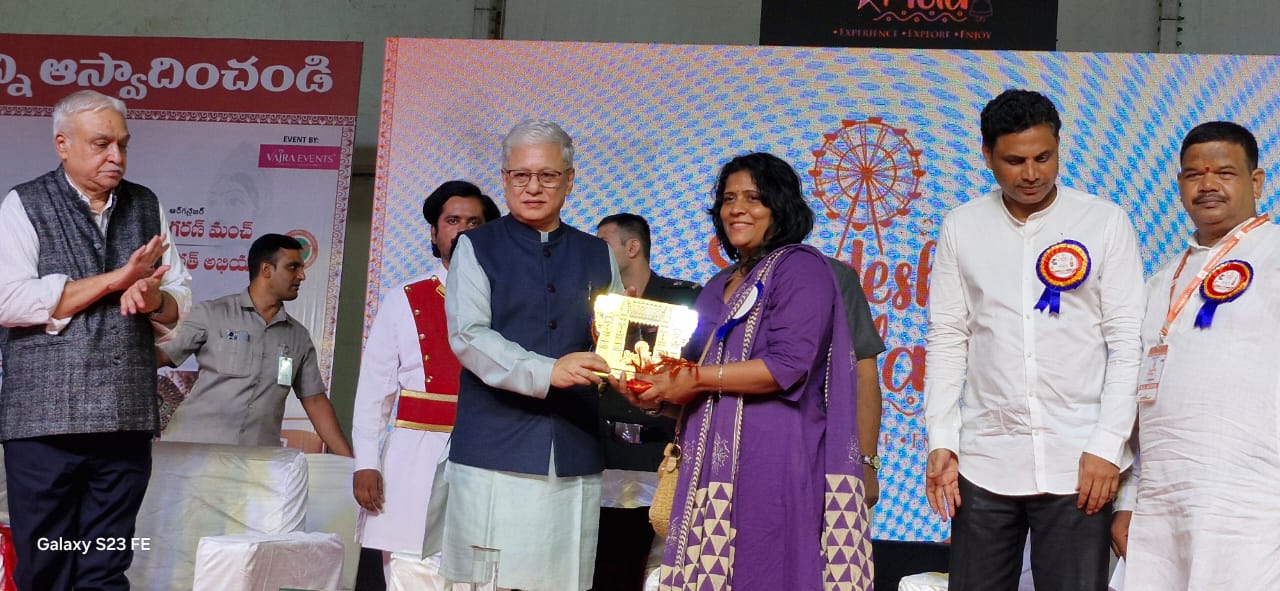
In October 2024, the Swadeshi Mela emerged as a dynamic platform celebrating India's cultural heritage, traditional industries, and local entrepreneurship.
Marking a significant milestone, Nipuna organized its 200th job fair on the inaugural day — a Mega Job Fair that underscored its unwavering commitment to employment generation.
The fair brought together over 142 companies. With 16,574 candidates in attendance and more than 5,000 successful placements, it stood as a testament to Nipuna's impactful employment model.
Alongside recruitment, the mela featured 300+ stalls showcasing handicrafts, handlooms, organic products and sustainable innovations — bringing to life the spirit of Aatmanirbhar Bharat.
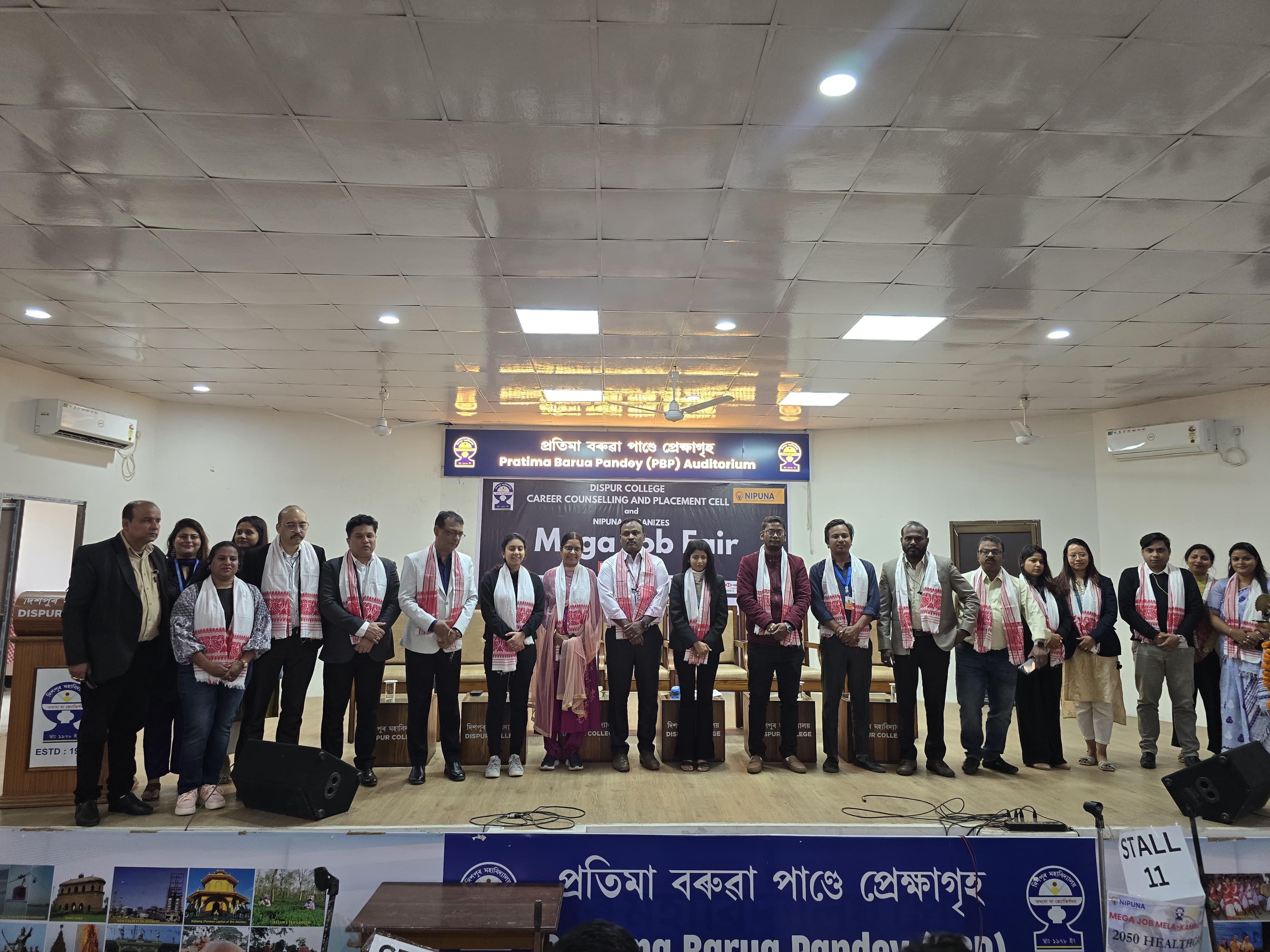
Tribal Job Fairs have emerged as a vital initiative aimed at integrating tribal youth into the mainstream workforce by creating accessible employment and skill development opportunities.
Organized in tribal-dominated regions, these fairs focus on reaching marginalized communities that often face socio-economic barriers to employment.
These events serve as a bridge between tribal talent and industry needs, offering on-the-spot recruitment, career counselling, and awareness about government schemes.
Thousands of tribal youth have secured jobs across agriculture, textiles, retail, construction and services — playing a transformative role in socio-economic upliftment.


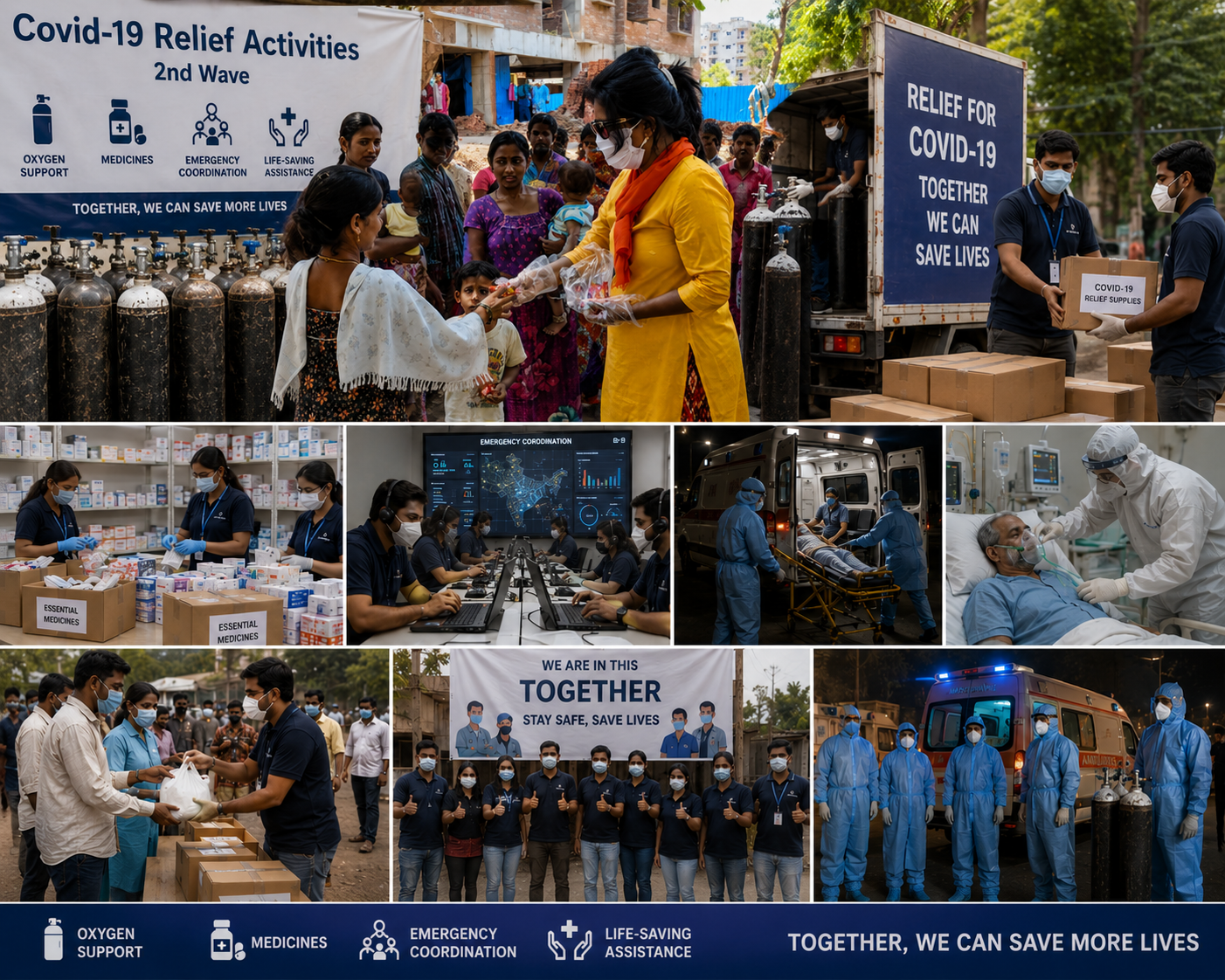
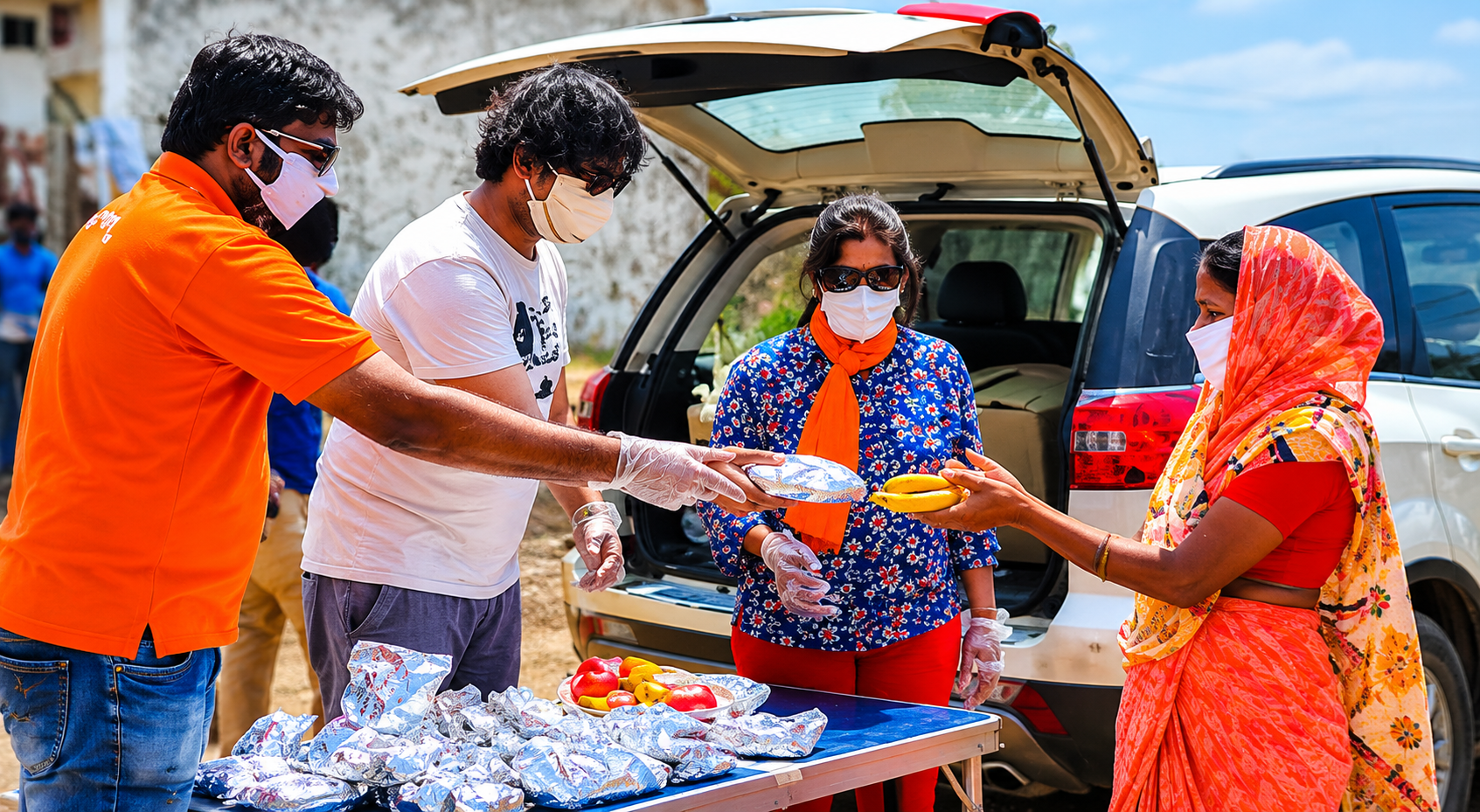
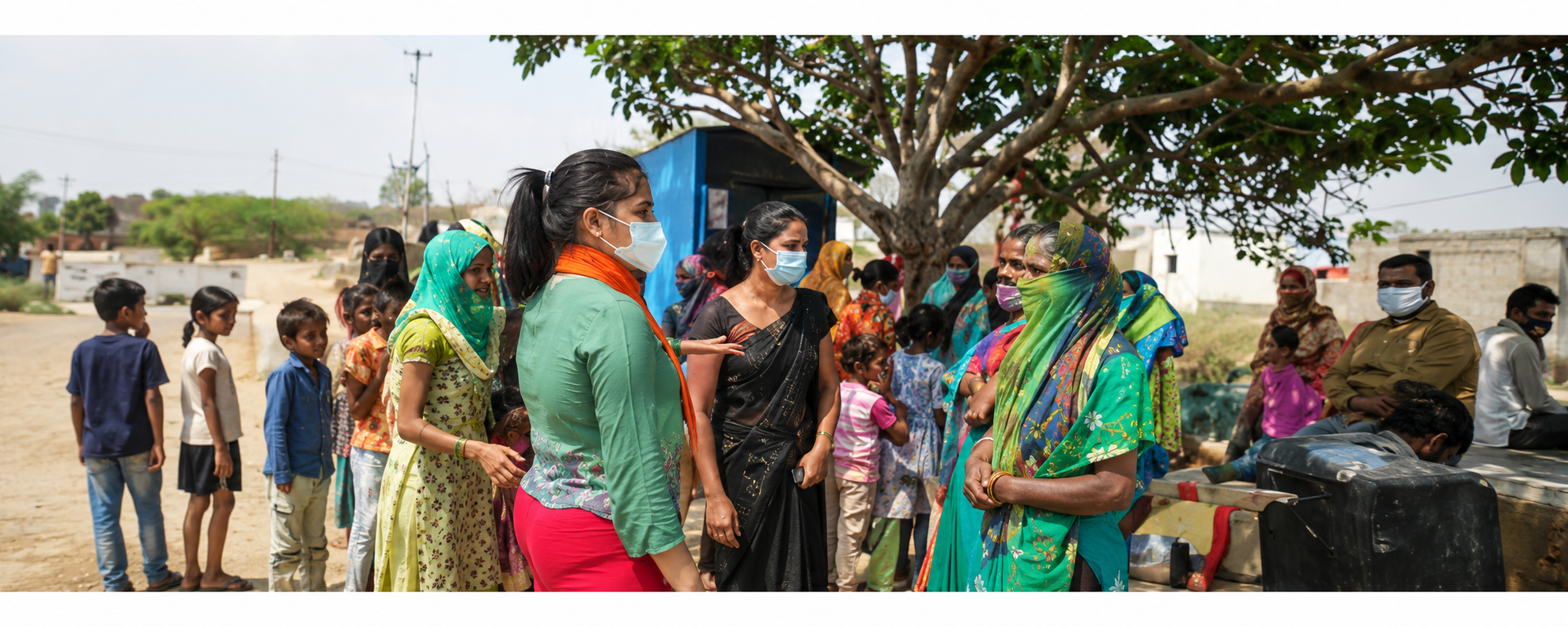
During the COVID-19 pandemic, Nipuna Human Development Society responded with compassion and speed by supporting communities that were severely affected by lockdowns, income loss and limited access to basic essentials.
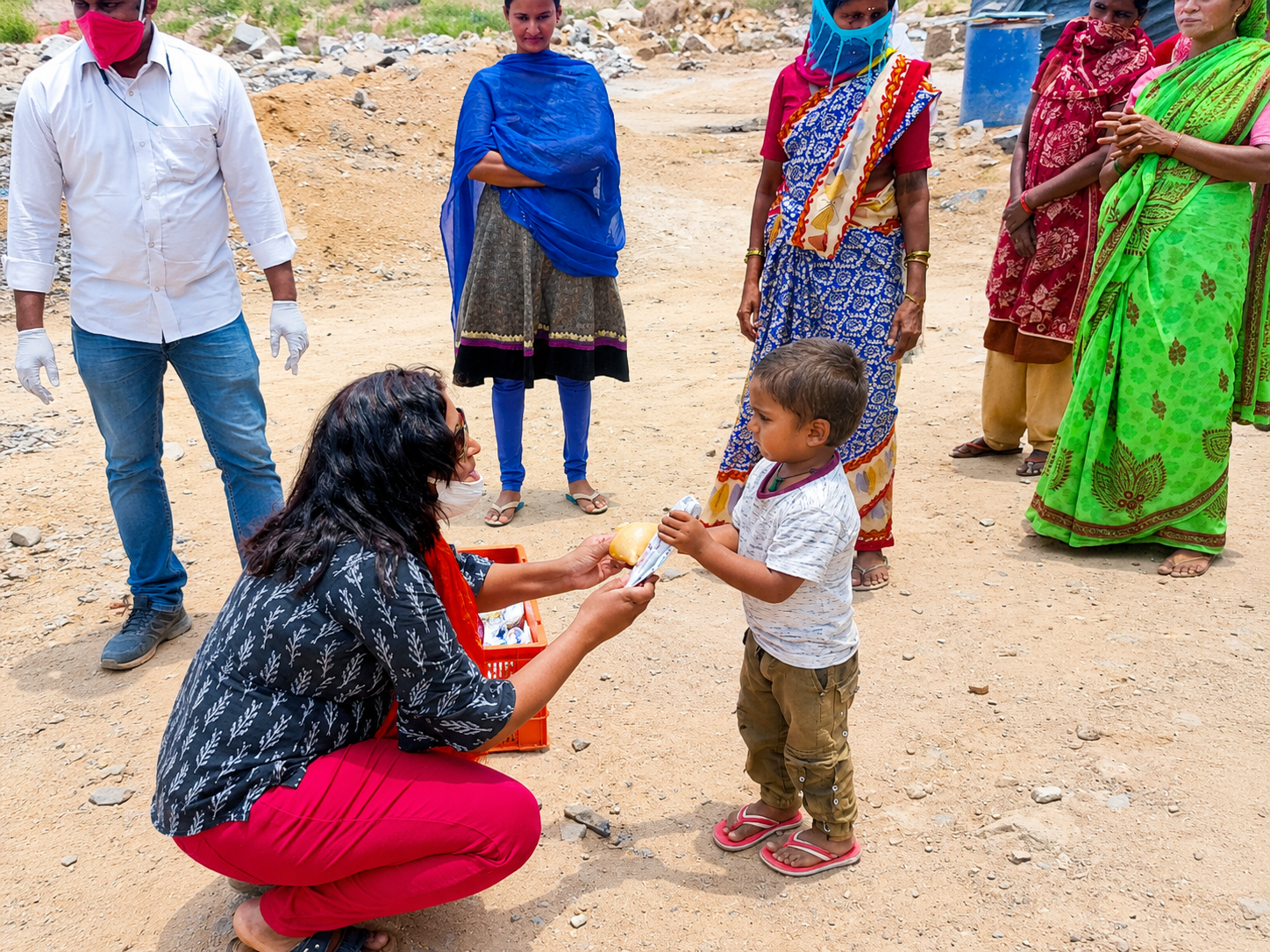
Through food distribution drives, dry ration support, hygiene awareness and volunteer-led outreach, Nipuna reached daily wage workers, migrant labourers, elderly persons, underprivileged families and vulnerable children.
The focus was simple and direct: ensure that no family around our reach struggled without food, basic care or timely support during the crisis.
Cooked meals and dry ration kits for families affected by lockdown and income disruption.
Support through hygiene kits, safety awareness and essential supplies for vulnerable communities.
Volunteer coordination to identify families in need and provide quick support at the local level.


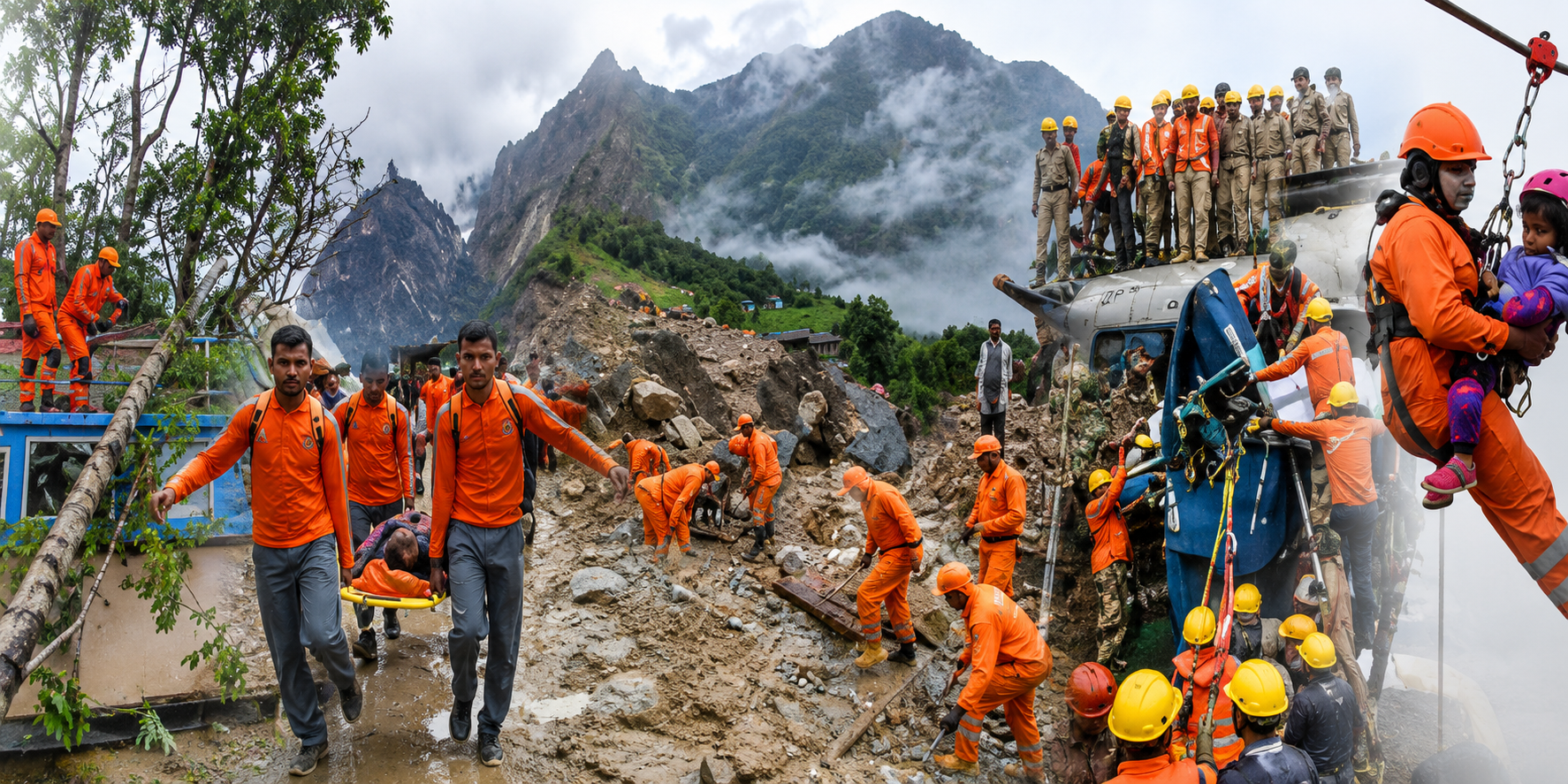
Nipuna Human Development Society, in collaboration with Sewa International, has played a vital role in disaster relief and humanitarian support across multiple crises in India.
During the COVID-19 pandemic, the organization swiftly mobilized resources to provide food distribution to vulnerable communities severely impacted by lockdowns and economic slowdown. Thousands of daily wage workers, migrant labourers and underprivileged families received timely relief through coordinated food supply drives.
In addition to pandemic relief, Nipuna actively responded to natural disasters in Telangana, where essential grocery kits were distributed to affected families, ensuring access to food and basic necessities amid widespread disruption.
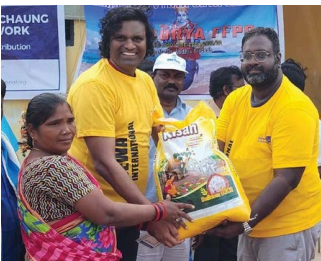
Similarly, in Andhra Pradesh, following the devastating impact of Cyclone Michaung, Nipuna facilitated emergency aid by providing immediate relief materials, including food, water and hygiene kits to displaced and affected populations.
Beyond relief distribution, Nipuna has been lauded for its efficient grassroots mobilization, transparent operations and sustained engagement with communities to support rehabilitation and resilience-building efforts.
Essential grocery kits and daily-use items to affected families during disaster situations.
Immediate relief support including food, water and hygiene essentials for displaced communities.
Continued engagement for rehabilitation, recovery and resilience-building after emergencies.


Nipuna Human Development Society is deeply committed to uplifting communities through impactful Corporate Social Responsibility activities focused on sustainable development and empowerment.
One of the key CSR projects is the installation of water purification plants in the Srikakulam region, providing access to clean and safe drinking water to thousands of residents. This initiative addresses critical health and sanitation challenges and improves the quality of life and drinking waterborne disease prevention.
In addition, Nipuna offers free skill-based training programmes aimed at enhancing employability among underprivileged youth. Courses such as digital marketing, banking, and networking equip students with industry-relevant skills and knowledge.
These training initiatives are designed to bridge the gap between education and employment, fostering self-reliance. A significant outcome of these efforts is the placement support provided to poor and deserving students, connecting them with job opportunities across various sectors.
Through these CSR initiatives, Nipuna is empowering marginalized communities, promoting sustainable livelihoods and contributing to socio-economic development.
Clean drinking water support through community-level water purification initiatives.
Digital marketing, banking, networking and employability-focused courses for youth.
Connecting trained and deserving students with job opportunities across sectors.